


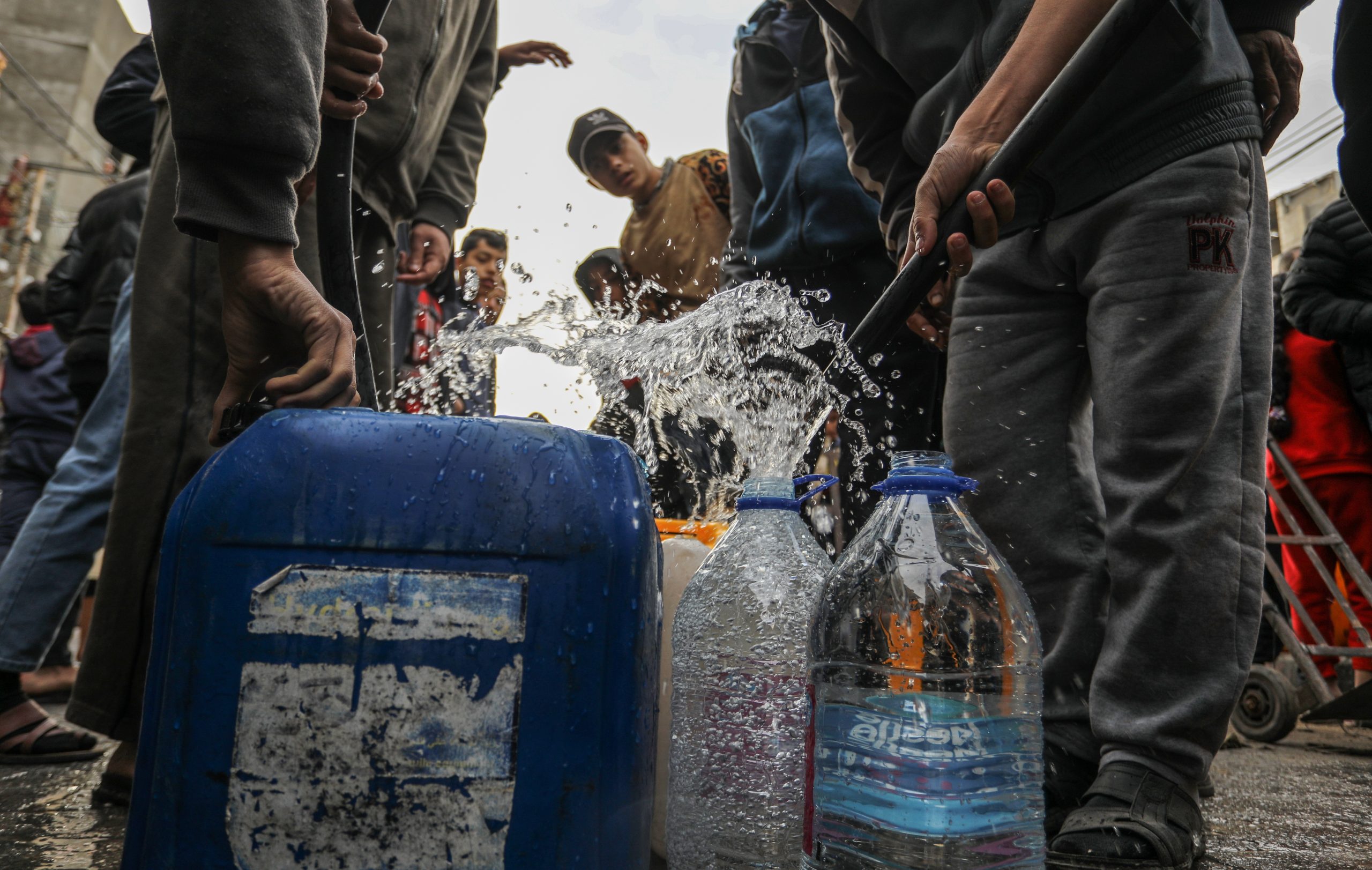
In the heart of the Gaza Strip, amid a humanitarian catastrophe exacerbated by violence, war, and blockades, a ray of light shines via the creative use of solar electricity. Mohammed Assalia, a local citizen, is leading a unique attempt to ease the region’s acute water scarcity by using solar energy to power wells.
Using solar energy for water access
Assalia’s program has undoubtedly benefited many people directly. He goes on to say: “With the solar-powered well in my house, at least 1,000 people benefited and received clean water every day.” This grassroots movement, albeit affecting a small percentage of the population, exemplifies the transforming power of imaginative solutions in times of need.
Navigating challenges in Gaza’s treacherous humanitarian landscape
Despite the project’s success, Assalia faces enormous obstacles as it expands its reach. The cost of goods, such as solar panels, has risen in the aftermath of conflict. He notes, “An example is a 535-watt solar panel used to be 700 NIS ($192). Now it costs 2,400 NIS ($657).” Despite these challenges, Assalia remains committed to overcoming financial constraints through fundraising efforts, emphasizing the importance of expanding the project to include new areas.
The numbers behind Gaza’s water crisis
The scale and consequences of Gaza’s water problem are astonishing. According to the United Nations Relief and Works Agency (UNRWA) and Doctors Without Borders, roughly 70 percent of Gaza’s population consumes salinized or contaminated water regularly. Furthermore, at least half of Gaza’s water and sanitation systems have been destroyed or damaged, worsening an already desperate situation.
Empowering communities with grassroots initiatives
Without adequate government and international support, grassroots efforts such as Assalia’s have emerged as lifelines for Gaza’s residents. Despite the hurdles, Assalia continues undeterred, relying on teamwork and innovation to meet pressing demands. “I don’t want anything in return, all I want is to help my people and leave a footprint,” he affirms, embodying the spirit of resilience and solidarity amidst adversity.
The story of Mohammed Assalia and his solar-powered wells provides a ray of optimism in Gaza’s volatile landscape. As communities continue to deal with the impacts of violence and siege, efforts like Assalia’s remind us of the power of inventiveness, compassion, and collective action to shape a better future.






