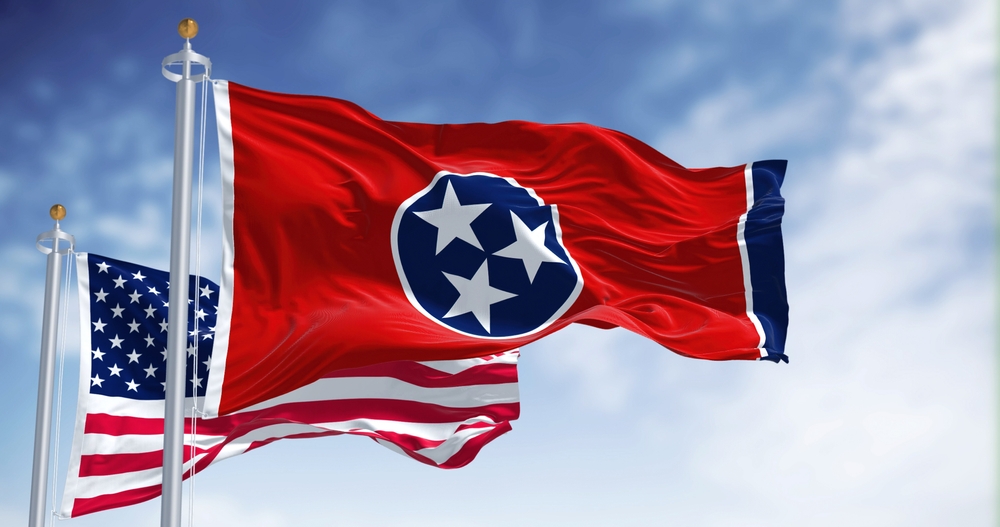
Tennessee made history late last month by signing the Ensuring Likeness Voice and Image Security Act (ELVIS Act), which was the first piece of legislation specially designed to protect artists from unlawful AI mimicry. Governor Bill Lee lauded the historic event, underscoring Tennessee’s dedication to preserving its rich musical history.
A landmark decision: the ELVIS Act
The ELVIS Act is an important amendment to Tennessee’s current right of publicity statute, expanding protections to include AI-generated content. Governor Bill Lee emphasized the significance of this act, saying, “Tennessee is the music capital of the world, & we’re leading the nation with historic protections for TN artists & songwriters against emerging AI technology.”
Individuals will be barred from using artificial intelligence to imitate an artist’s voice without agreement under the ELVIS Act, ensuring that musicians retain control over their digital likenesses. The regulation is due to take effect on July 1, marking a watershed point in the ongoing debate over AI ethics and intellectual property rights.
Honoring Tennessee’s musical legacy
Tennessee’s cultural importance in the world of music cannot be emphasized. From the famous sounds of country to the soulful melodies of blues, the state has served as a breeding ground for musical invention for years. Elvis Presley, Dolly Parton, BB King, and Taylor Swift have all established themselves in Tennessee, adding to the state’s rich musical history.
The state’s commitment to its artists is reflected in its strong music sector, which employs over 61,000 people and has over 4,500 music venues. Governor Lee thanked the General Assembly for emphasizing the necessity of protecting Tennessee’s artistic legacy in the face of advanced AI technology.
Navigating the AI landscape: challenges and solutions
The rapid growth of AI technology has faced politicians with a slew of issues, particularly in areas such as music, where intellectual property rights are crucial. With the rise of AI-generated material, concerns about copyright infringement and illegal copying have grown.
Last year’s viral hit, “Heart on My Sleeve,” highlighted the need for legislative action, with an anonymous TikTok user using AI to impersonate the vocals of Drake and The Weeknd. While the song gained popularity, it also highlighted concerns about the ethical usage of AI in artistic pursuits.
AI in music: threats and breakthroughs
Despite the hurdles offered by artificial intelligence, there have been significant advances in music production. AI-powered tools have allowed artists to explore new creative channels and push the limitations of traditional composition.
The Beatles’ final release, “Now and Then,” which was out in November 2023, exemplifies AI’s revolutionary potential in music. Furthermore, musicians such as Grimes have welcomed AI-generated content, agreeing to split earnings with producers who use AI to create unique works.
Tennessee’s ELVIS Act establishes a model for other states to follow in protecting artists’ rights in an increasingly digital society. By achieving a balance between innovation and protection, policymakers hope to ensure that artists may continue to create and thrive in the age of AI.