


Oceans
From tackling marine plastic pollution to coral reef restoration, learn about humanity’s latest efforts to protect ocean habitats and marine wildlife.

The world's largest battery-electric ferry just crossed an ocean
BY THE OPTIMIST DAILY EDITORIAL TEAM In 2019, a South American transport company ordered a diesel ferry. By the time it launched six years later, it had become the largest electric vehicle ever built, of any kind, on land or sea. Hull 096 is a 130-meter (427-foot) battery-electric ferry built Read More...

How offshore wind foundations became accidental reef habitat
BY THE OPTIMIST DAILY EDITORIAL TEAM When engineers drove 54 steel cylinders into the sandy seafloor southeast of Long Island to anchor Empire Wind 1's turbines, the goal was simple: keep 810 megawatts of generating capacity upright in the Atlantic. What happened next was quite Read More...
Climate attribution science just changed the rules for fossil fuel lawsuits
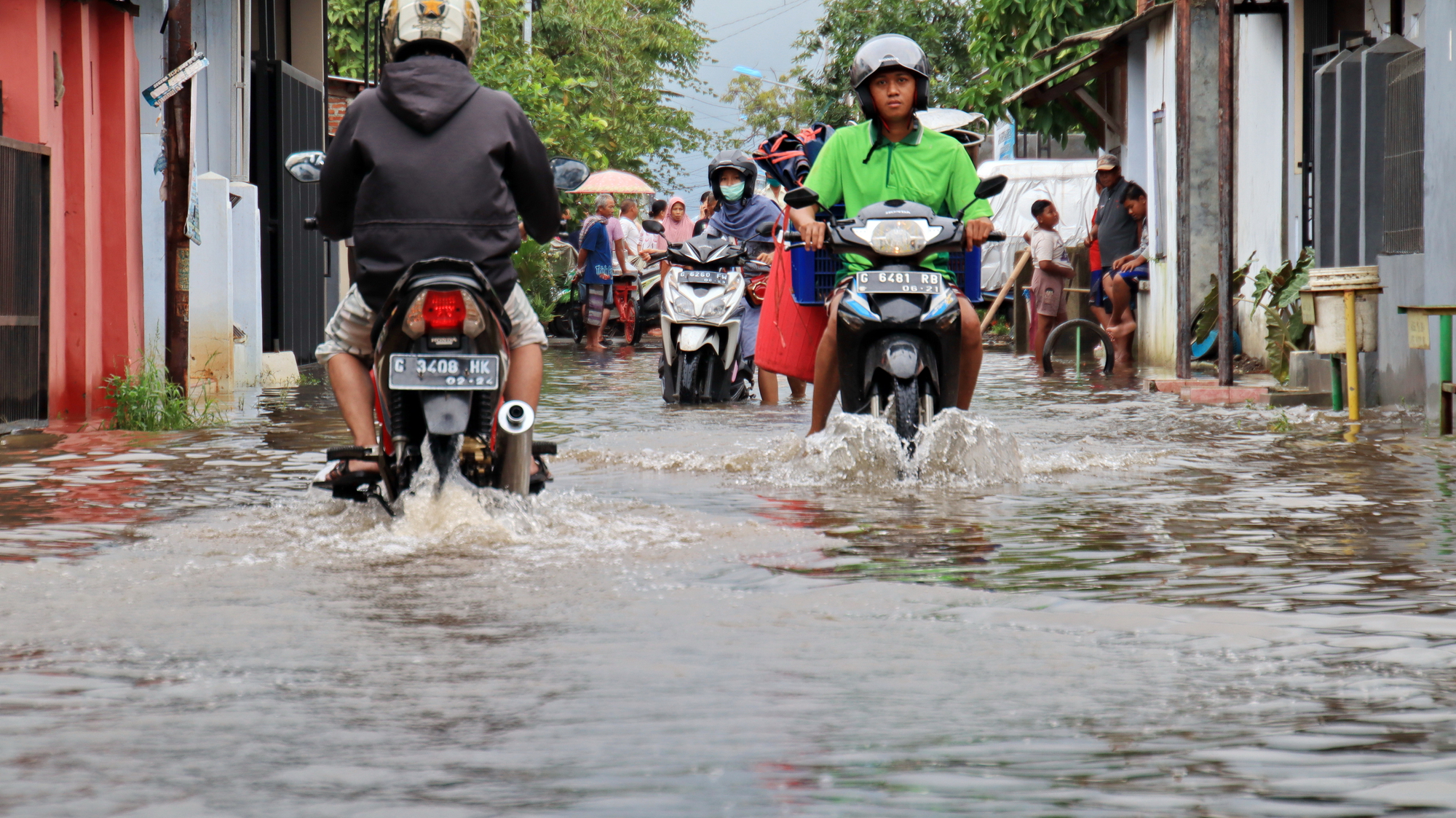
BY THE OPTIMIST DAILY EDITORIAL TEAM Scientists can now draw a straight line from a single oil company's emissions to a specific disaster. Not a rough estimate of the industry's overall contribution, but a specific company, a specific event, a specific percentage. That's what a new Read More...
Meet the Bioloon: the biodegradable balloon aiming for shelves by 2028
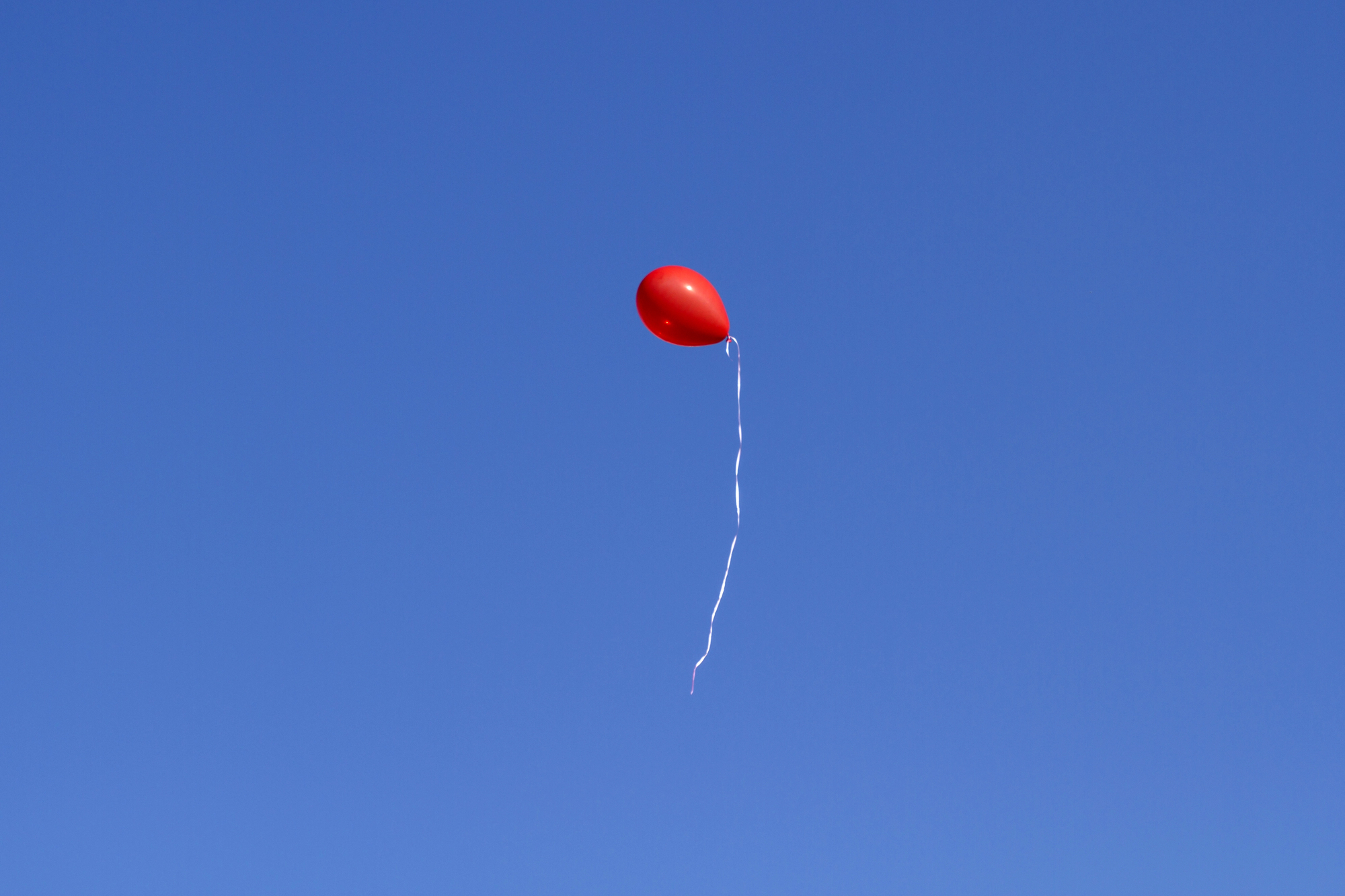
BY THE OPTIMIST DAILY EDITORIAL TEAM Balloons have always been made from natural latex, a material derived from rubber tree sap. Natural latex is biodegradable. The rubber tree has been producing it since before the first balloon was invented in 1824. On its own, it breaks down. The problem is Read More...
The world hit 3 terawatts of solar power faster than anyone predicted
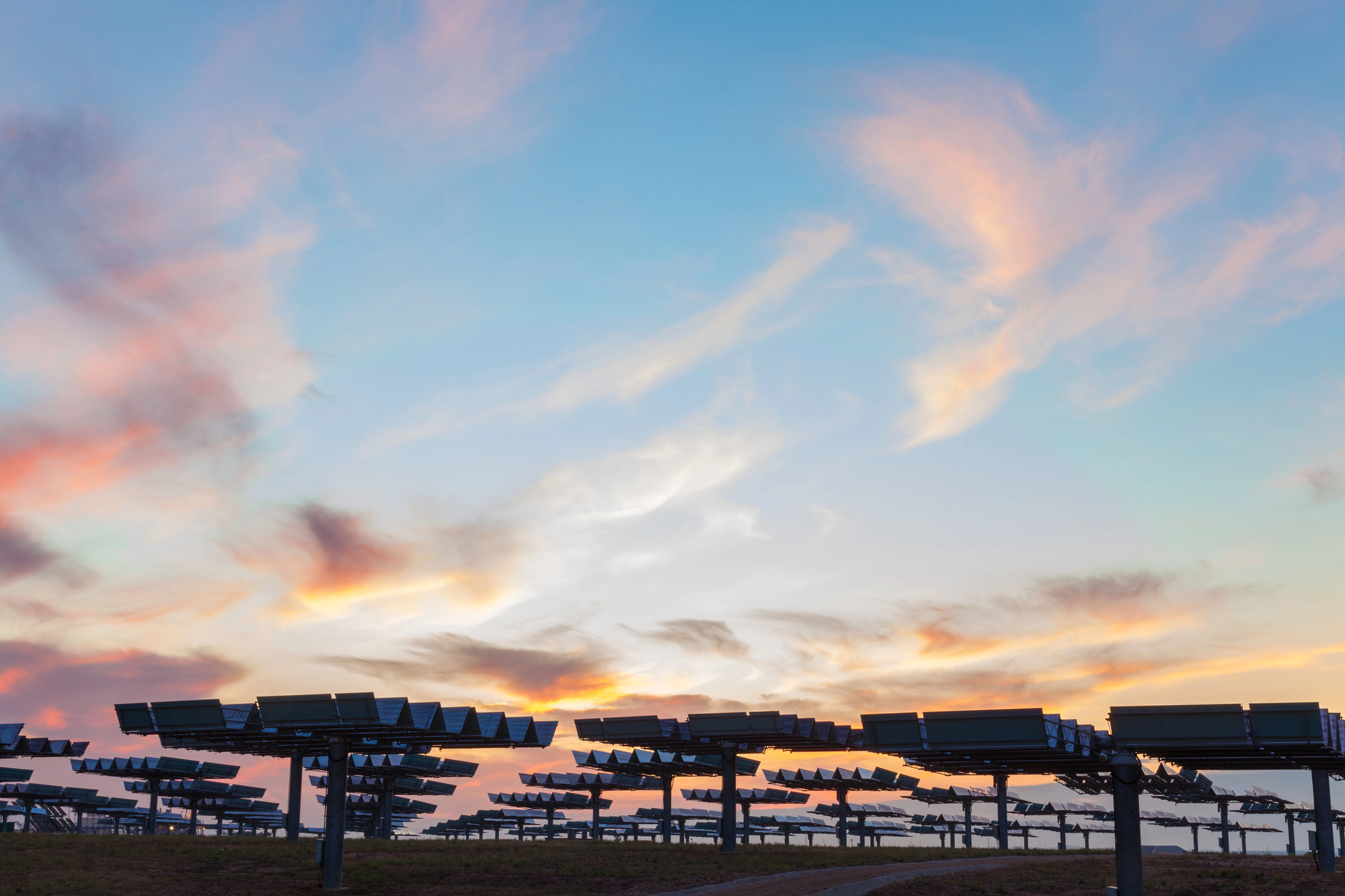
BY THE OPTIMIST DAILY EDITORIAL TEAM The first terawatt of global solar capacity took nearly 68 years to reach. The second arrived in roughly two years. The third came in 19 months. The world crossed the 3-terawatt mark in early 2026, and the pace is still picking up. In 2025 alone, the world Read More...
The Great Bubble Barrier: bubble curtains are intercepting 86 percent of river plastic
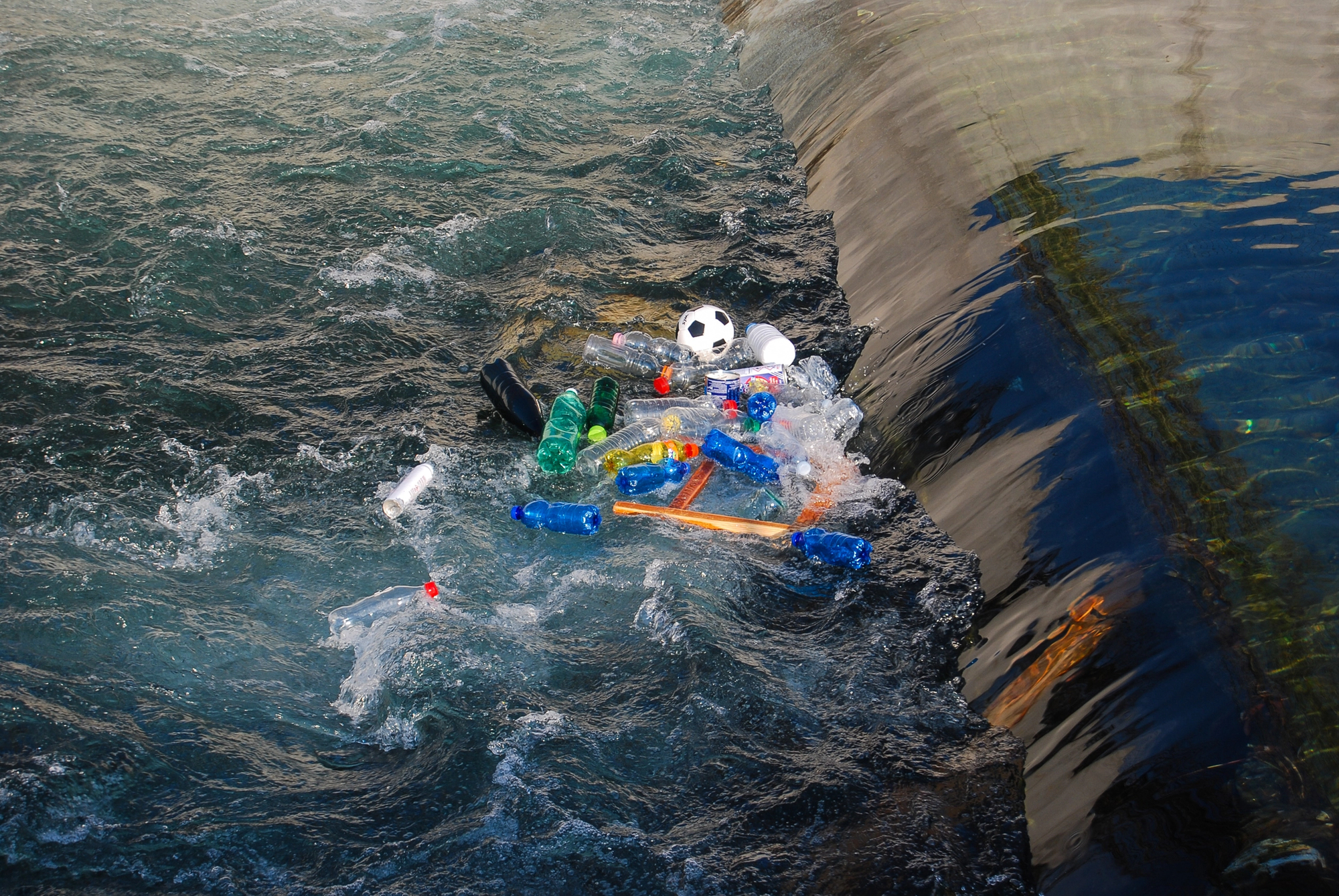
BY THE OPTIMIST DAILY EDITORIAL TEAM Rivers are how plastic gets to the ocean. Stop it there, and you stop it for good. The Great Bubble Barrier, a Dutch company, built a technology to do exactly that. A perforated tube runs across the bed of a waterway and connects to an air pump. The pump Read More...
The Newcastle researcher turning ocean plastic into a dolphin rescue strategy
BY THE OPTIMIST DAILY EDITORIAL TEAM Gillnets catch dolphins by accident. The nylon mesh hangs nearly invisible in the water, and dolphins’ echolocation, the system they rely on to navigate and hunt, can fail to detect it. The filaments may produce no detectable echo, or the dolphins may Read More...
How environmental DNA turned river water into a global wildlife census
BY THE OPTIMIST DAILY EDITORIAL TEAM There’s something almost absurd about how we’ve always measured wildlife. Two trained ecologists visit the same river, spend days cataloguing what they can see, and come back with completely different species lists. Neither is wrong. The data just can’t Read More...
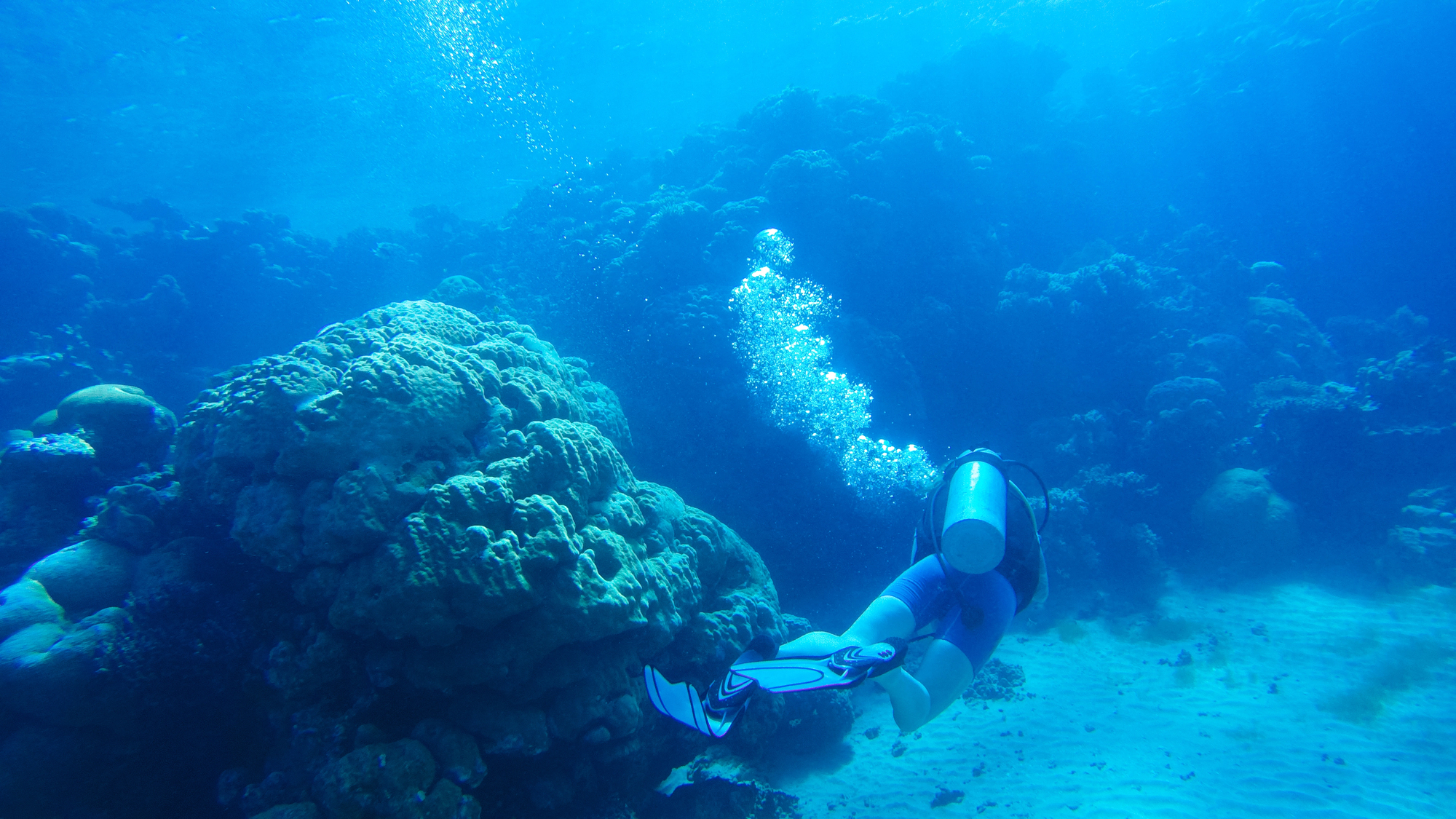
Scientists find 64,000 sq miles of climate-resilient coral reef
BY THE OPTIMIST DAILY EDITORIAL TEAM For years, the conversation around coral reefs has been threaded with grief. Bleaching events, rising ocean temperatures, one crisis folding into the next. The reefs have become a kind of shorthand for what we stand to lose. A new global analysis is pushing Read More...
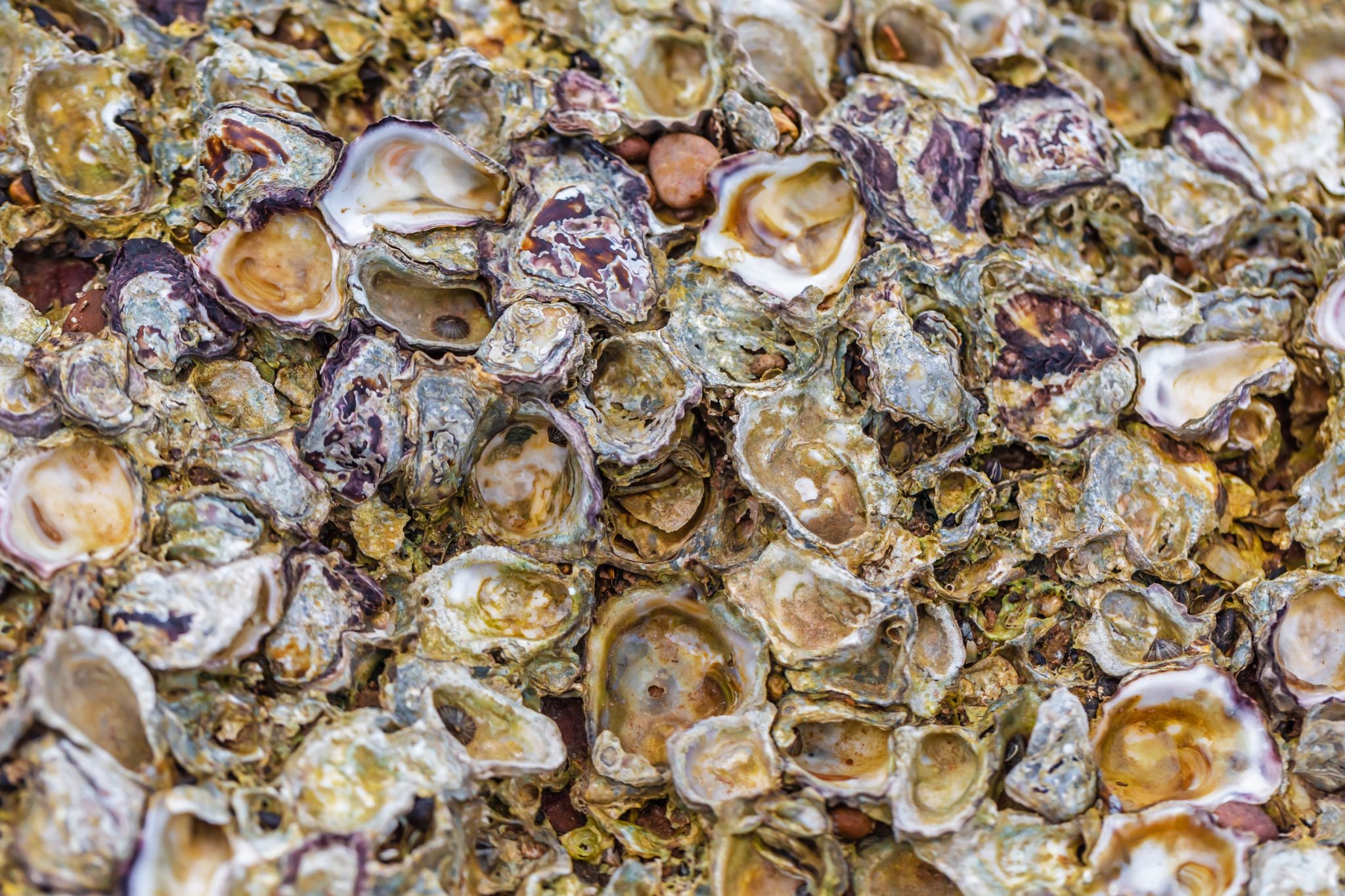
Dinner scraps are rebuilding California’s lost oyster reefs
BY THE OPTIMIST DAILY EDITORIAL TEAM What if scraps from a dinner could become a habitat? That's the basic premise of the Shells for Shorelines program in a meaningful sense: the shells of oysters eaten at restaurants in Orange County can become the foundation on which new oysters settle and Read More...