


BY THE OPTIMIST DAILY EDITORIAL TEAM
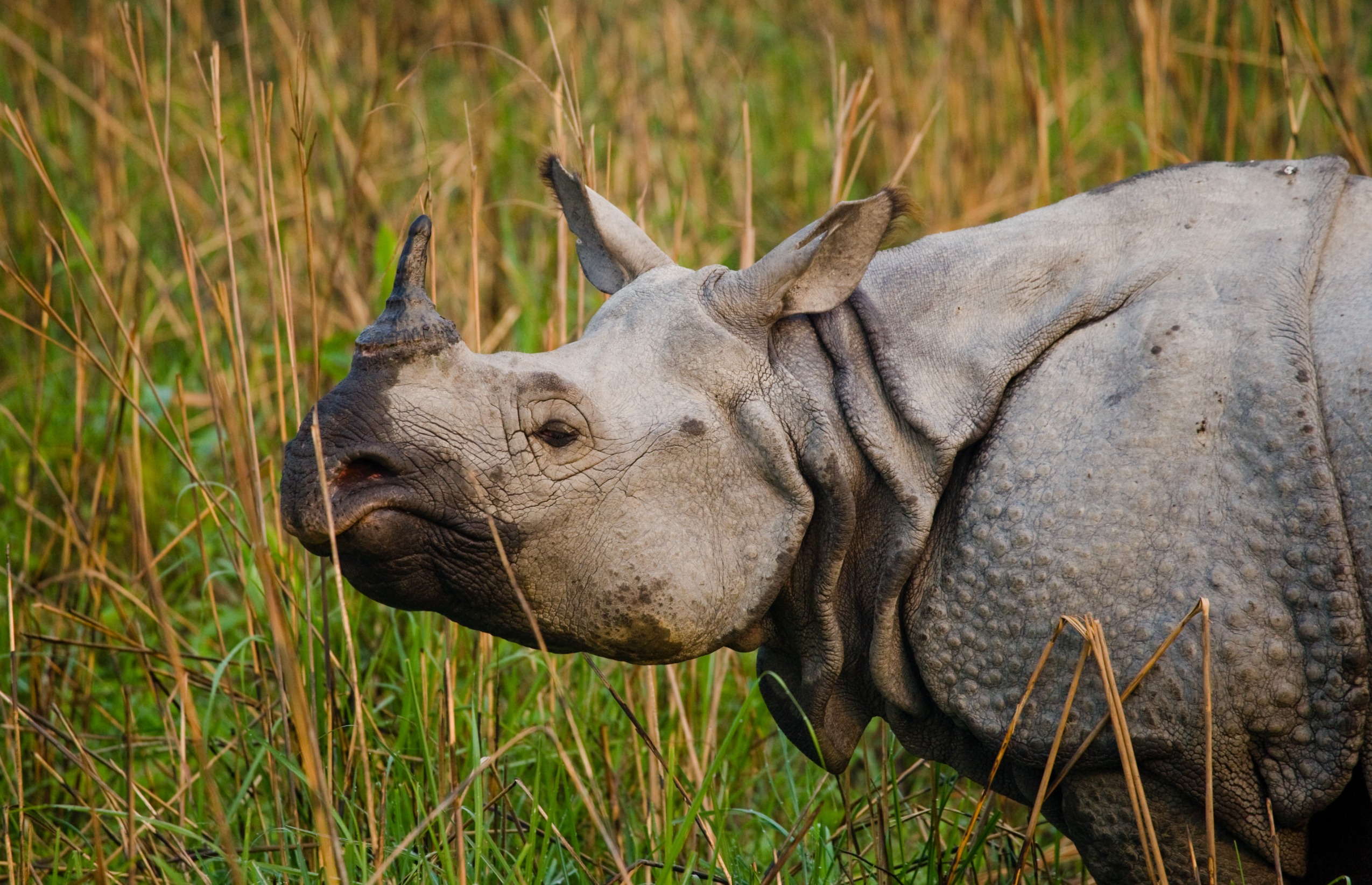
The state of Assam in India has reached an amazing milestone in animal conservation: the one-horned rhinoceros population has increased fivefold, from 600 in the 1960s to over 3,000 in 2024. The Assam government hailed this momentous achievement on World Rhino Day (September 22nd), underscoring the state’s dedication to safeguarding its most emblematic animal. Kaziranga National Park, a UNESCO World Heritage site, is still home to 80 percent of India’s rhino population.
“Rhinos are synonymous with the identity of Assam. They are our pride and the crown jewel of our biodiversity,” said Assam Chief Minister Himanta Biswa Sarma. His government prioritized rhino conservation, and the results speak for themselves.
Conservation strategies and habitat expansion
The increase of rhino habitats across Assam’s national parks has played a significant role in this population boom. The government has expanded Orang National Park to 200.7 square kilometers (77.5 square miles) and Burachapori Wildlife Sanctuary to 195 square kilometers (75.3 square miles). In addition, 12.8 square kilometers (4.9 square miles) of rhino habitat in the Laokhowa-Burachapori complex have been restored and cleansed of encroachment.
These efforts have paid off. The rhino population is not only growing but also spreading throughout Assam’s protected areas. Aside from Kaziranga, smaller rhino populations may be found in Orang National Park, Pobitora Wildlife Sanctuary, and Manas National Park, providing genetic variety and a broader range of habitats for the species to thrive.
Poaching declines dramatically
Perhaps the most notable result in recent years has been the tremendous reduction in poaching, which has decreased by 86 percent since 2016. This success is crucial since rhinos are still vulnerable to illegal poaching due to the huge demand for their horns, particularly in traditional medicine markets in China and Vietnam. Assam’s expanded anti-poaching measures, which include heightened surveillance and community involvement, have had a significant impact.
“Assam’s rhinos are safer than ever,” Sarma said, emphasizing the state’s multifaceted approach to combating poaching. These activities, combined with the assistance of local people and India’s forest service, have played a critical role in saving this endangered species.
While Assam’s population growth is positive, significant issues persist. Global rhino populations have declined from 500,000 in the early twentieth century to only 28,000 today. The International Union for Conservation of Nature (IUCN) continues to classify the one-horned rhino as “vulnerable,” implying that ongoing vigilance and conservation efforts are critical to ensuring the future of these majestic creatures.
As Assam celebrates its incredible accomplishment, the state acts as a beacon of hope for rhino conservation efforts around the world, demonstrating that good change is attainable through continuous effort and community engagement.






