BY THE OPTIMIST DAILY EDITORIAL TEAM
In a historic step to reshape the UK’s energy future, Ed Miliband, Secretary of Energy and Climate Change, revealed the government’s “Clean Power 2030” strategy. The initiative, described as the most ambitious energy reform in decades, seeks to generate 95 percent of the country’s electricity from green sources by the end of the decade.
“A new era of clean electricity for our country offers a positive vision of Britain’s future with energy security, lower bills, good jobs, and climate action,” said Miliband. He emphasized the urgency of harnessing the UK’s natural resources to protect citizens from volatile global energy markets.
This ambitious target aligns with the Labour government’s pledge to drastically reduce fossil fuel reliance and move toward a cleaner, greener energy landscape.
Key pillars of the plan
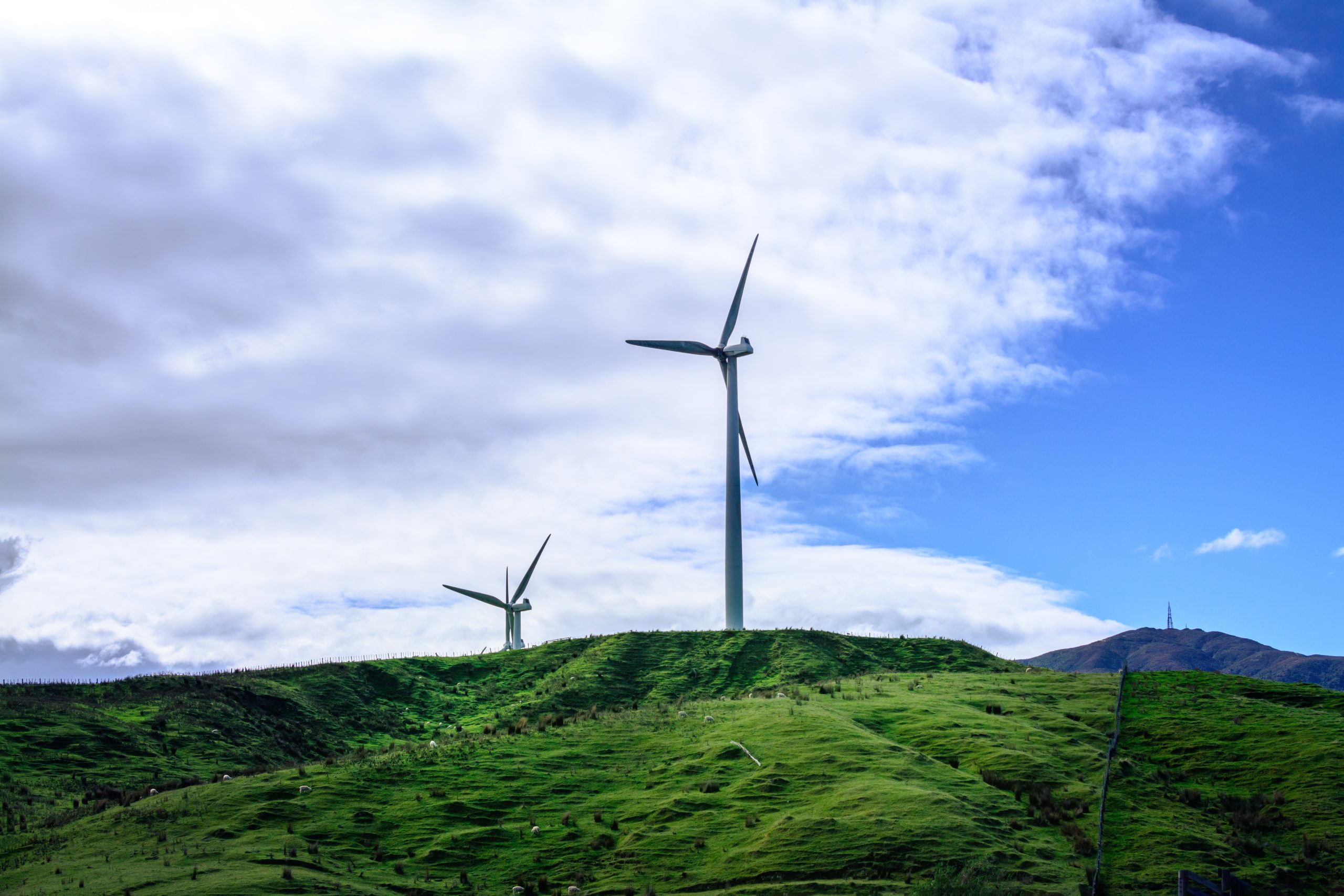
Streamlining onshore wind projects
The government plans to reintroduce large onshore wind projects—those exceeding 100 megawatts—into the Nationally Significant Infrastructure Project system. This move would shift approval power from local councils, which have historically opposed such projects, to government ministers.
Greg Jackson, CEO of Octopus Energy, praised the move: “We welcome the prospect of slashing red tape for grid connections, overturning the onshore wind ban in England, and allowing more special offers to slash energy bills. Britain’s high energy prices stem from years of bad rules that don’t allow us to build renewable energy in the places it’s needed.”
Addressing grid connection bottlenecks
To accelerate renewable energy adoption, the government plans to grant energy regulators greater authority to address the backlog of energy projects waiting for National Grid connections.
Massive renewable investments
Labour’s plan is expected to inject £40 billion ($50.5 billion) annually in private sector investments, as reported by The Guardian. The Department for Energy Security and Net Zero highlighted solar panel canopies over parking lots, factory rooftops, and warehouse spaces as untapped resources. Installing panels on one-fifth of the UK’s largest warehouses could generate as much as 15GW of solar capacity.
Challenges and opportunities
Despite the optimism surrounding the plan, the National Energy System Operator (NESO) called the 2030 target a “huge challenge” but “achievable.”
The UK’s reliance on fossil fuels and biomass currently dwarfs its wind and solar contributions, with 65 percent of electricity derived from gas and wood-burning and just 5.3 percent coming from wind.
“The winds of change are finally blowing in the right direction,” said Greenpeace UK’s Doug Parr. “But this roadmap must treble the amount of power generated by offshore wind and solar and double onshore wind, at least, if it’s to deliver the kind of ambition needed to turbocharge our way to a renewably powered future.”
The role of carbon capture
The announcement came days after the government greenlit the UK’s first carbon capture project at Teesside. Construction is set to begin in mid-2025, with the East Coast Cluster poised to capture emissions from regional industries.
While this project marks a milestone, environmentalists warn against over-reliance on carbon capture. Doug Parr urged the government to focus on renewables, stating that carbon capture remains “expensive, impossible to make zero carbon, and fails to detach electricity prices from the volatile international gas market.”
Lessons from the past: why energy reform is crucial
The urgency of Labour’s plan has roots in Britain’s recent energy crisis. After Russia’s invasion of Ukraine, energy prices soared to unprecedented levels, exposing the vulnerabilities of the UK’s dependence on fossil fuels.
Miliband framed the plan as a solution to shield the country from such risks: “This is about ensuring a future where our energy system works for people, not against them.”
What’s next?
While the path to 95 percent green energy is steep, the plan lays a solid foundation for change. The government will begin consultations on solar panel canopies in 2025, alongside efforts to expand offshore and onshore wind capacity.
Environmental groups and energy leaders alike agree: that the success of this bold initiative hinges on swift, decisive action. As Greg Jackson aptly summarized, “These are positive steps—but the scale of ambition must match the scale of the challenge.”