BY THE OPTIMIST DAILY EDITORIAL TEAM
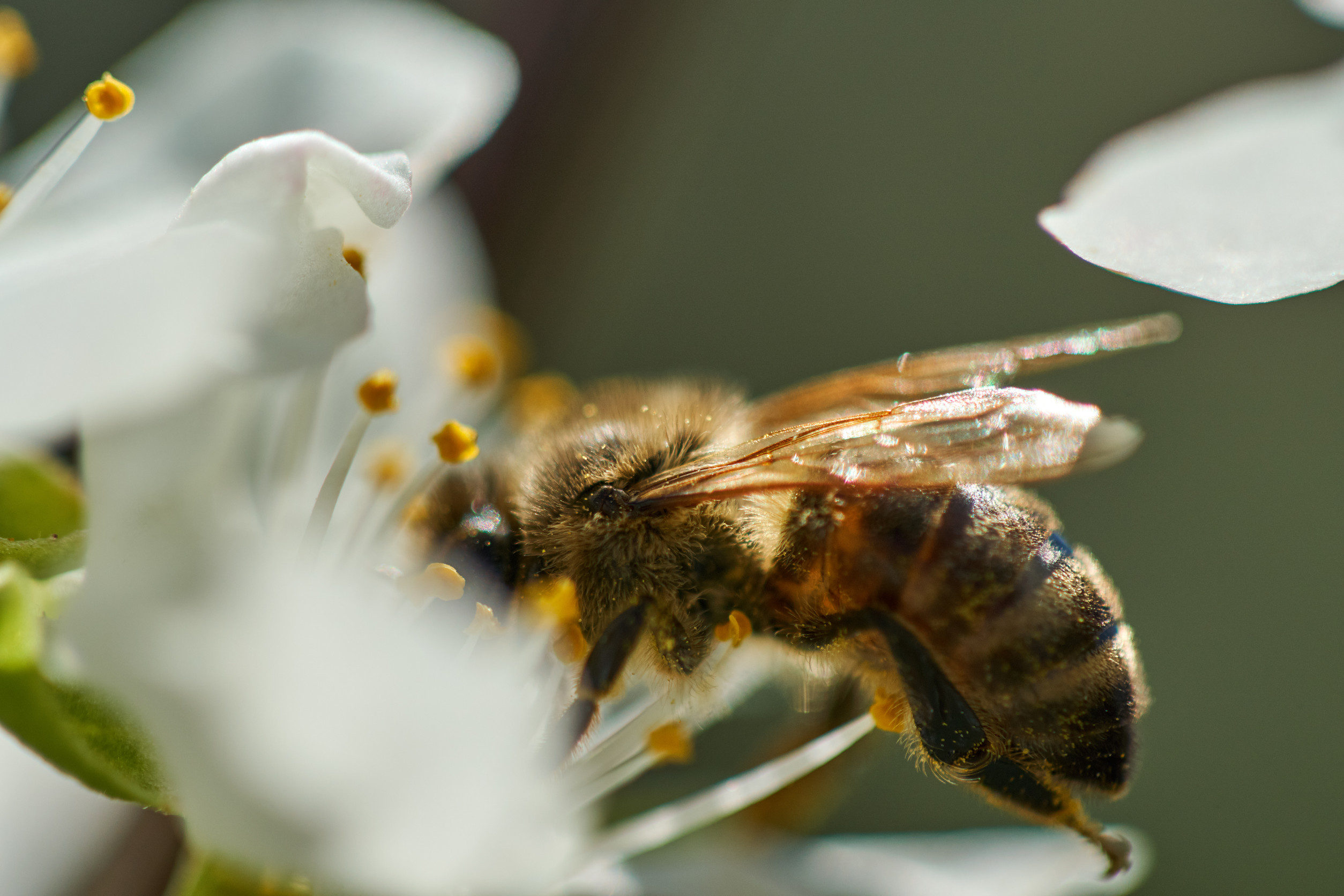
In a long-awaited move, the UK government has unveiled its first official pesticide reduction target, pledging to cut pesticide use on arable farms by 10 percent by 2030. The plan, aimed at protecting bees and other pollinators, marks a significant shift in national agricultural strategy—though some campaigners say it still falls short of what’s needed.
The announcement arrives after years of delay, with the original proposal expected as far back as 2018. Although the plan is welcomed as a step in the right direction, its scope is narrower than comparable initiatives in the European Union, which is aiming for a 50 percent reduction in both the use and risk of chemical pesticides by 2030.
Measuring more than just quantity
What sets the UK’s plan apart is a new approach to measuring pesticide impact. Instead of focusing solely on the amount used, the government will introduce a “pesticide load indicator,” a tool that accounts for toxicity as well as volume. This more nuanced metric has drawn praise from environmental groups.
“We are thrilled that the UK government has today announced the UK’s first ever pesticide reduction target of 10 percent,” said a spokesperson for the Pesticide Collaboration, a coalition of health and environmental organizations. “While we had hoped for a higher percentage, the adoption of a target which takes into account both how much of a pesticide is used and how toxic it is a clear signal that reducing pesticide-related harms to the environment is now being taken seriously.”
A boost for nature-based solutions
Central to the new plan is an emphasis on integrated pest management (IPM), a sustainable strategy that encourages nonchemical alternatives to traditional pesticides. This includes practices like planting “trap crops” that lure pests away from food crops or introducing natural predators—such as carnivorous beetles—to control pest populations.
Farmers have been largely supportive of the shift, though they are calling for practical support to implement these changes. “Dramatically reducing the use of chemicals and transitioning to nature-based solutions—such as creating habitats for predatory insects—is absolutely key to building a food and farming system that is resilient for the future,” said Martin Lines, chief executive of the Nature Friendly Farming Network. “I welcome the publication of this long-overdue action plan, especially the inclusion of specific targets for pesticide reduction.”
Concerns over urban pesticide use
Despite broad support for the new measures, many campaigners expressed disappointment that the pesticide reduction target applies only to agricultural settings, leaving out parks, gardens, and urban green spaces.
“The new plan’s failure to address the use of pesticides in urban areas is a major flaw,” said Paul de Zylva, a nature campaigner at Friends of the Earth. “The government must commit to the phasing out of pesticide and herbicide use in urban parks and streets, which is unnecessary and risks the health of people, pets, wildlife, rivers and soils.”
While the government has stated that urban pesticide use will be addressed separately, advocates argue that excluding it from the core plan weakens the overall impact.
A foundation for future progress
Still, many see the plan as a welcome beginning—and one that could lead to deeper reforms if matched with the right support. The inclusion of penalties for irresponsible pesticide use is one signal of the government’s intent to ensure accountability. Meanwhile, the plan’s acknowledgment of toxicity and support for alternatives is being framed as an important philosophical shift in UK agriculture.
Emma Hardy, the environment minister, highlighted the broader significance of the announcement: “The government is restoring our natural world as part of our commitment to protect the environment while supporting productivity and economic growth. That is why we have banned bee-killing pesticides in England and today we’re going further to support farmers and growers to adopt sustainable practices.”
The announcement builds on the recent decision to end the use of neonicotinoids—pesticides known for their harmful effects on bee populations—and could signal a stronger long-term commitment to pollinator health.
As public and political pressure grows around the climate and biodiversity crises, the 10 percent reduction target could be just the beginning of a more sustainable future for UK agriculture. Whether it delivers real change will depend on follow-through, funding, and how fully farmers, policymakers, and urban planners embrace nature-based alternatives.