


BY THE OPTIMIST DAILY EDITORIAL TEAM
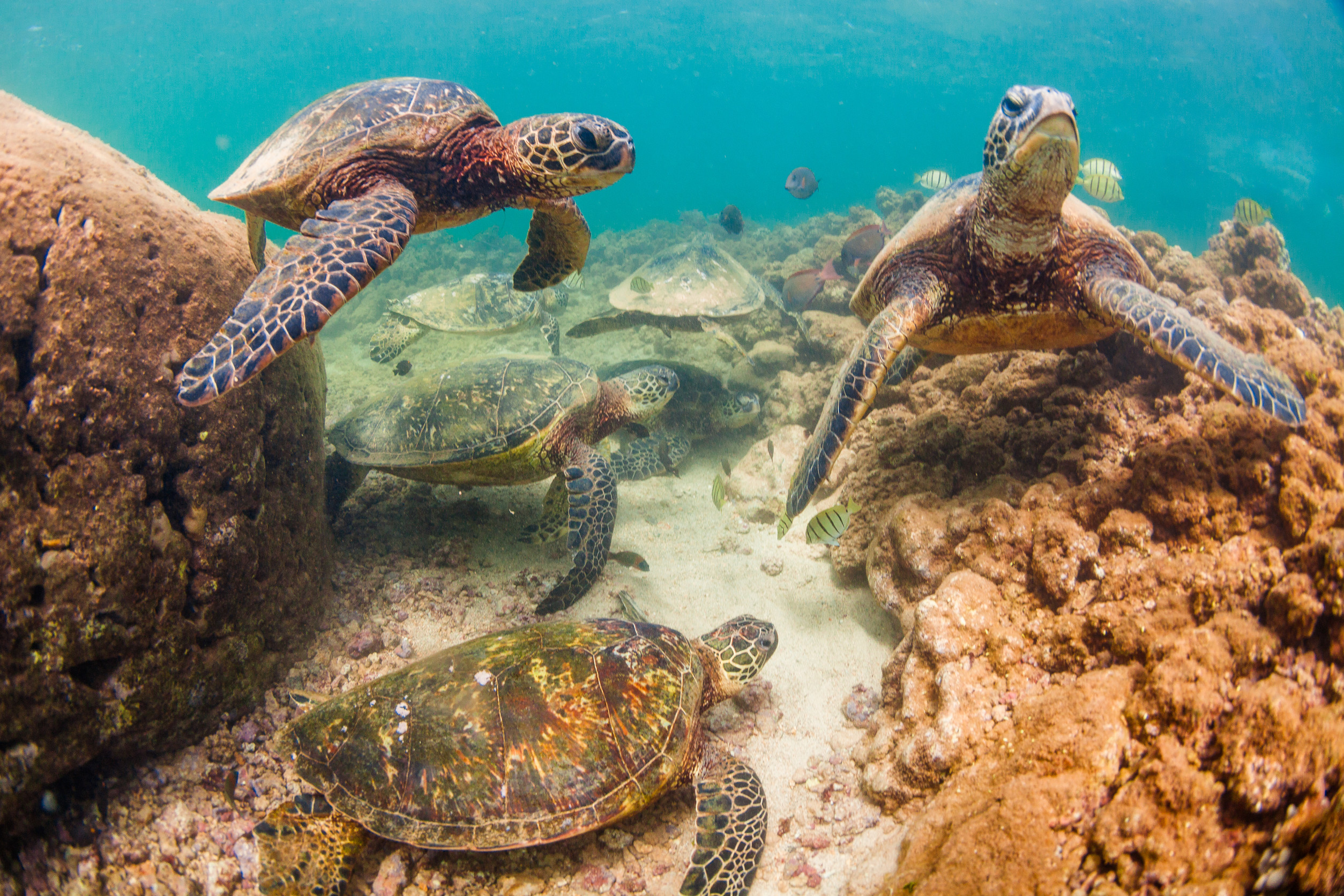
In an encouraging sign for marine conservation, many endangered sea turtle populations around the world are showing signs of recovery, according to a sweeping global survey published this month in the journal Endangered Species Research.
The study, which examined 48 sea turtle populations across the globe, revealed that threats to these marine animals—including hunting, pollution, coastal development, and climate change—are declining in more than half of the areas surveyed. “Many of the turtle populations have come back, though some haven’t,” said Stuart Pimm, a Duke University ecologist who was not involved in the research. “Overall, the sea turtle story is one of the real conservation success stories.”
Conservation laws and protections drive recovery
Among the key factors contributing to these positive trends are legal protections and targeted conservation measures. In the United States, sea turtles were granted protection under the Endangered Species Act of 1973. Mexico followed with a nationwide ban on all sea turtle captures in 1990. While the impact of these laws took decades to fully materialize, the results are now visible in many coastal regions.
“By ending commercial harvests and allowing them time to rebound, their populations are now doing really well” in areas such as coastal Mexico and the United States, explained Michelle María Early Capistrán, a Stanford University researcher and co-author of the study, who has conducted fieldwork in both countries.
Efforts to protect nesting beaches and reduce accidental bycatch—when turtles become entangled in fishing gear—have also played a significant role in supporting these fragile populations.
Leatherbacks lag behind
Despite the overall hopeful picture, not all sea turtle species are sharing equally in this recovery. Leatherback turtles, known for making the longest marine migrations of any animal—sometimes swimming up to 3,700 miles each way—remain particularly vulnerable. According to the International Union for Conservation of Nature (IUCN), leatherbacks are considered globally vulnerable, with many distinct populations classified as critically endangered.
“All seven of the regions where leatherbacks are found face high environmental risks,” said study co-author Bryan Wallace, a wildlife ecologist at Ecolibrium in Colorado. Their expansive migratory routes expose them to a wide range of threats across different regions, making their recovery especially challenging.
Ongoing threats and future solutions
While the survey results highlight important victories for conservation, experts caution that significant risks remain. Fishing bycatch continues to be one of the major threats to sea turtles worldwide. Although new technologies designed to prevent turtles from becoming ensnared in fishing gear are emerging, their success depends on widespread adoption by diverse fishing communities.
“They must be accepted and used regularly to be effective,” Wallace emphasized.
The study marks the first global update on sea turtle populations in over a decade, offering a much-needed check-in on these iconic species. While the road to full recovery is far from over, the research offers a hopeful reminder that concerted conservation efforts can, and do, make a meaningful difference.






