


BY THE OPTIMIST DAILY EDITORIAL TEAM
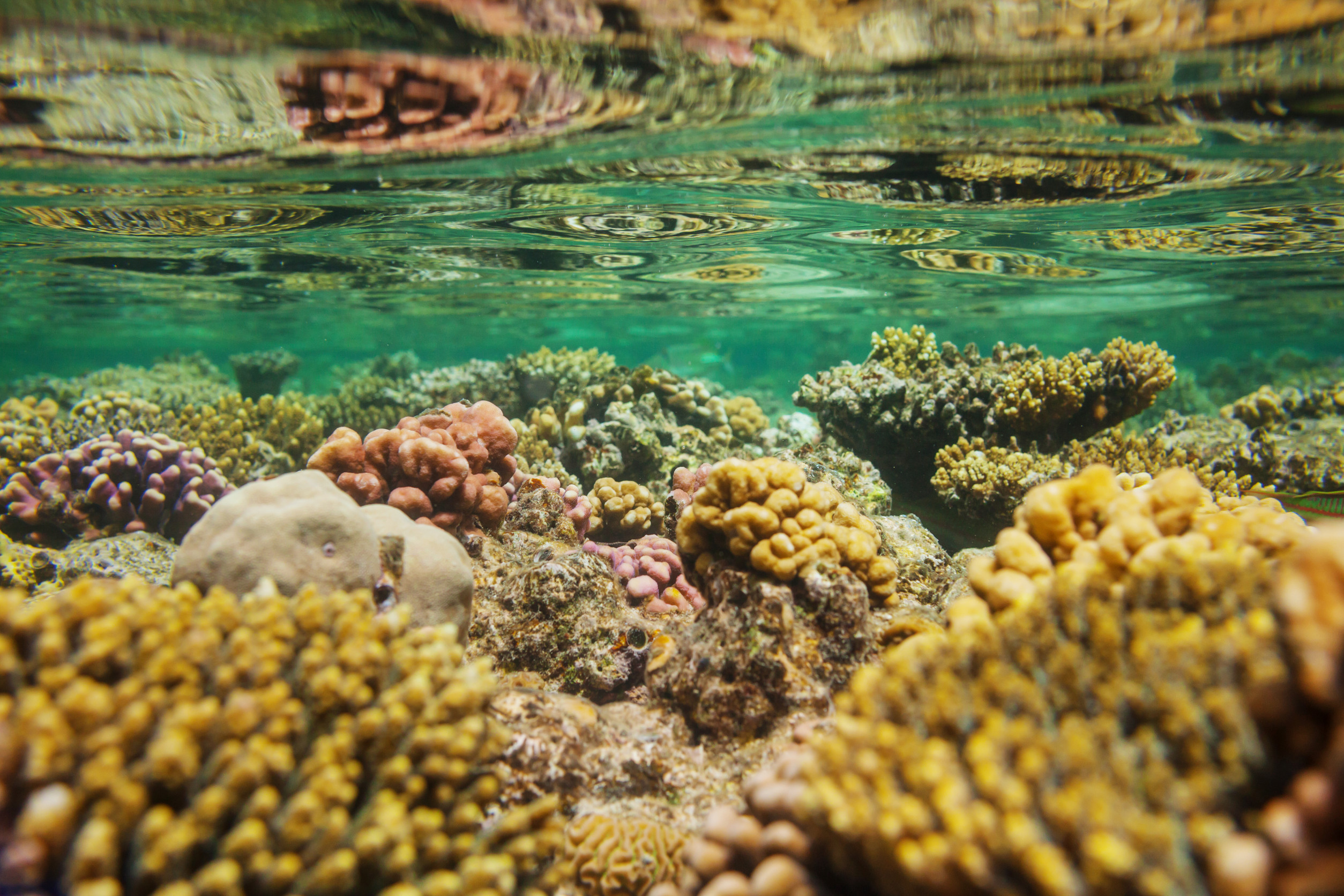
Off the coast of Miami, a team of scientists is attempting something extraordinary: giving struggling coral reefs a fighting chance against climate change. In partnership with the University of Miami, the Florida Aquarium, and Tela Marine in Honduras, researchers are transplanting crossbred coral fragments onto a reef decimated by bleaching in 2023.
These efforts are a response to one of the ocean’s most pressing crises: warming waters. As ocean temperatures rise, Florida’s coral reefs, which are already stressed by pollution and other human impacts, are struggling to survive.
Breeding corals for survival
To help restore these vital ecosystems, researchers turned to an idea that took shape over several years: introduce new genetic diversity from the Caribbean. “Some of the biggest threats to corals, like climate change, are really global phenomena,” said Andrew Baker, director of the Coral Reef Futures Lab at the University of Miami. “If you try to have Florida’s reefs save themselves on their own, we could give them some outside help.”
The team chose to crossbreed Florida’s native corals with those from a reef off Tela, Honduras. That site offered an ideal candidate: warm, nutrient-rich waters where Elkhorn corals are thriving despite environmental stressors. These crossbred offspring are the result of combining Florida and Honduran coral spawn at the Florida Aquarium.
A first-of-its-kind international transplant
This marks the first time crossbred coral from two countries has been permitted for planting on a wild reef. Baker called the project “the end of a very long process” and expressed excitement about its future.
On a recent dive, the team placed the juvenile Elkhorn coral fragments onto concrete bases along Miami’s reef. The carefully arranged layout allows scientists to compare the performance of different genetic combinations in real-world conditions.
Why Elkhorn corals matter
Elkhorn corals are iconic species in Florida and play a crucial role in reef structure. “The reef is what protects shorelines from storms and flooding,” Baker explained. Healthy Elkhorn populations form natural barriers, absorbing wave energy before it reaches the coast.
But these corals have been in steep decline. Coral bleaching, driven by warmer temperatures, has wiped out more than 95 percent of Florida’s Elkhorn population. When corals expel the algae that give them color and nutrients, they leave behind vulnerable white skeletons. This phenomenon drastically weakens their ability to survive.
Testing resilience, planting hope
The goal now is to see if corals with a Honduran parent show greater resilience to rising ocean temperatures. Researchers will monitor their performance throughout the summer, comparing them to Florida-only counterparts. Some fragments date back to 2020, raised and nurtured in lab conditions for years.
“We hope that every year we can make more crosses and figure out which parents produce the best offspring,” said Keri O’Neil, senior scientist at the Florida Aquarium.
A blueprint for global cooperation
If successful, the project could be replicated across the Caribbean, where coral populations face similar threats. “Our environment really doesn’t have closed borders,” said Juli Berwald, co-founder of Tela Coral. “It shows that when we work together, we can really do something that might be life-changing—not just for us, but for the reefs and all the animals that rely on them.”
Andrew Baker called it the most exciting project of his 20-year career. For Miami’s reefs and perhaps many others around the globe, this progress could signal a turning point.






