BY THE OPTIMIST DAILY EDITORIAL TEAM
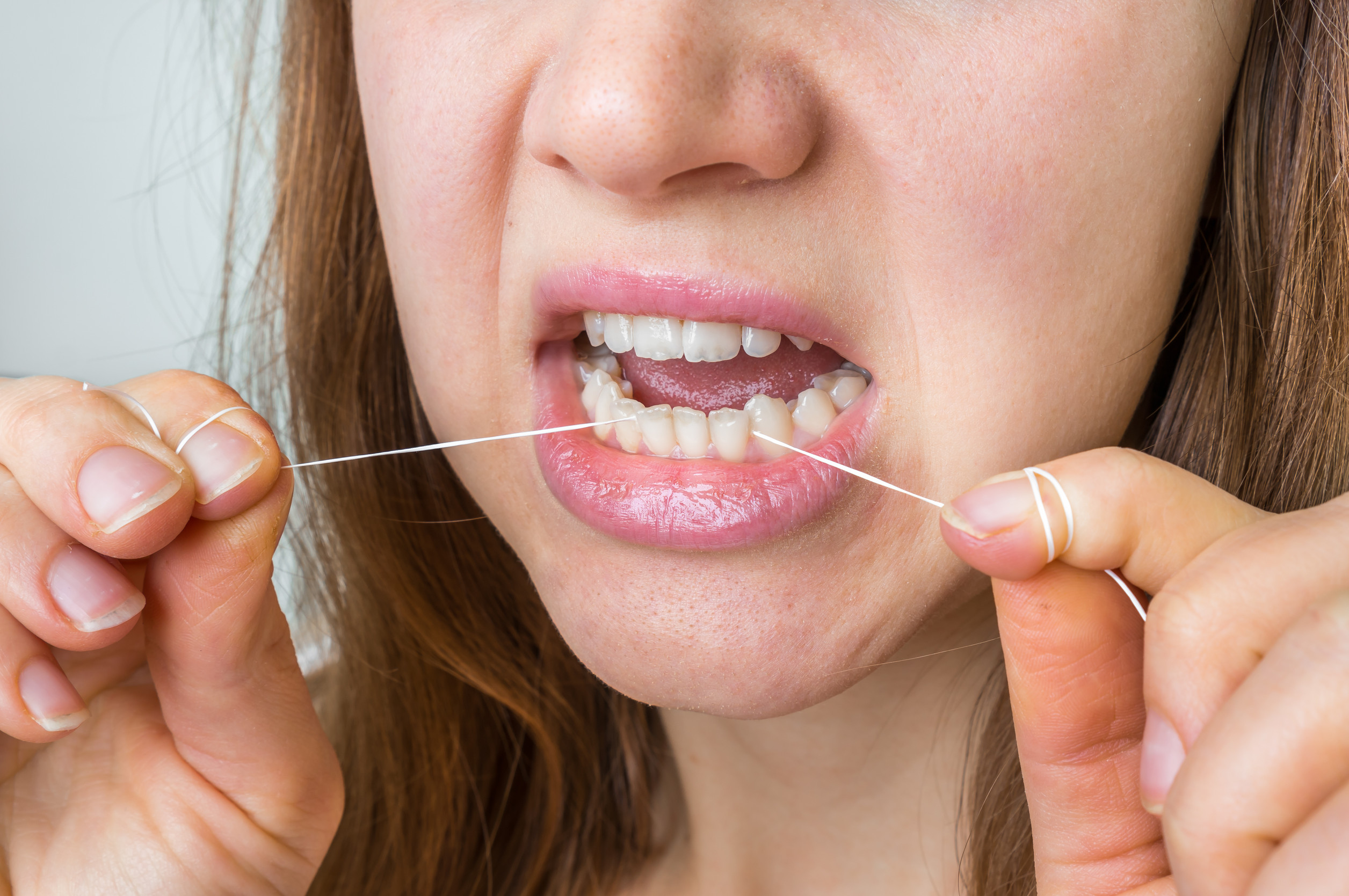
Flossing just got a serious glow-up. In a development that might finally make your dentist proud, scientists have created a needle-free vaccine that works by delivering inactive viruses directly into the gumline using dental floss.
Yes, dental floss.
Reported recently in Nature Biomedical Engineering, the method showed that a protein-coated strand of floss can spark a robust immune response in mice; one strong enough to protect them from the real influenza virus.
“I had honestly never thought of using floss as a vaccination strategy,” said Yale immunologist Akiko Iwasaki. “The results are quite impressive.”
Why the gums?
For years, scientists have looked at mucosal tissues like those in the nose and mouth as ideal vaccine delivery zones. That’s where many viruses first enter the body. The problem is that those areas are naturally good at blocking outside substances. According to James Crowe, a Vanderbilt University immunologist who was not involved in the research, that makes effective delivery tricky.
But engineer Harvinder Gill of North Carolina State University saw potential in an unlikely spot: the gingival sulcus, the tiny pockets between your teeth and gums. While reading up on gum disease, he found studies noting this zone’s high permeability.
“That sort of struck a spark,” said Gill, senior author of the study. “If it is highly permeable, could we not use it for vaccination?”
Flossing mice is as hard as it sounds
Gill and Rohan Ingrole, the study’s lead author, had to get creative. Since nobody had ever tried to floss a mouse before (unsurprisingly), they devised a two-person technique: one scientist gently held the mouse’s jaw open with a keyring while the other worked the floss into its gums.
In their initial test, floss coated with a fluorescent protein successfully delivered about 75 percent of the dose to the gums. Two months later, the mice still had antibodies circulating in their lungs, noses, feces, and spleens.
Enter: the flu test
Encouraged by those results, the team took the next step. They coated floss with an inactivated flu virus, the kind typically used in vaccines, and flossed 50 mice every two weeks over a 28-day period.
Four weeks after the last treatment, the mice were exposed to the real influenza virus. The results were striking: All the vaccinated mice survived. All the unvaccinated mice did not.
The vaccinated group showed a full-scale immune response, with flu antibodies detected in their saliva, feces, and bone marrow, as well as increased T cells and enlarged lymph nodes. Gill noted the response was comparable to what you’d see from nasal spray vaccines like FluMist.
From mice to men
To test its human potential, the team conducted a small pilot study. Twenty-seven healthy adults used dental picks coated in colored food dye. On average, 60 percent of the dye was successfully delivered to the gums.
Afterward, participants were asked how they felt about the concept. Most said they’d be open to a floss-based vaccine and would even prefer it over a shot. (Who wouldn’t choose floss over a needle?)
Still, experts advise caution. William Giannobile, a periodontics researcher at Harvard who was not involved in the study, was intrigued but wants to see how well this works in people with gum disease, a condition that affects around 40 percent of American adults.
Crowe also emphasized that larger-scale clinical trials are needed to confirm viability. “It’s a clever idea,” he said, “but more data is needed.”
What comes next?
Gill and his team are already working to refine the method. And Giannobile can imagine a future where you go in for a dental cleaning and come out vaccinated.
“You could imagine going to the dentist,” he said, “and your provider administers one of these vaccines during your visit.”
It turns out, the path to a painless flu shot might run right through your gums. So yes, flossing might just save your life in more ways than one.