


BY THE OPTIMIST DAILY EDITORIAL TEAM
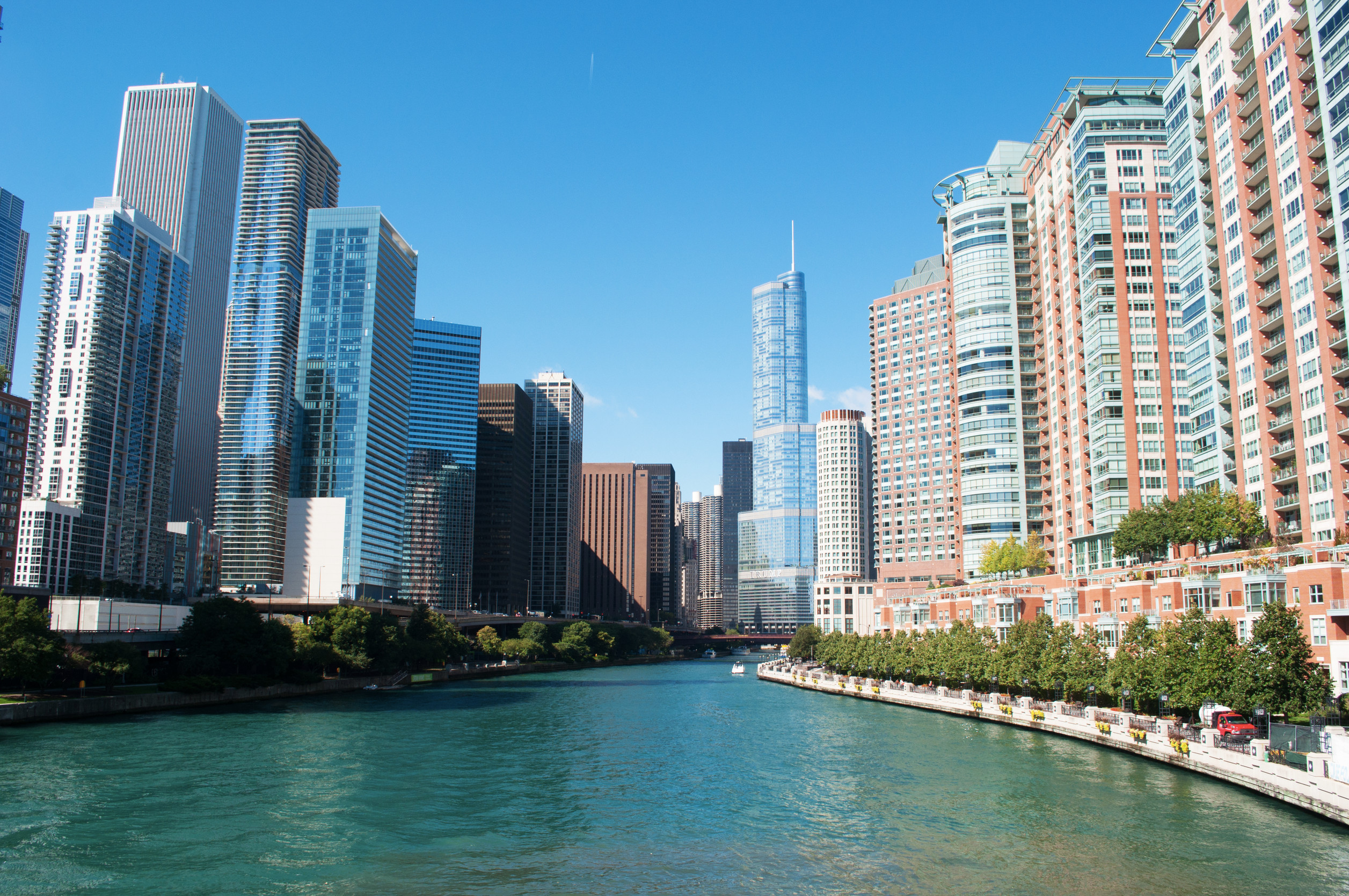
For generations, the Chicago River was overlooked, dismissed, and heavily polluted. But today, this waterway is showing signs of life so promising that Chicago is preparing to host its first downtown open-water swim in nearly a century.
“Everyone used to think of the river as ‘gross’—an alley for dumping waste,” says Krystyna Kurth, coordinator of conservation action at the Shedd Aquarium. That perception was well-earned. For decades, the Chicago River served as a conduit for industrial waste, sewage, and trash. The post-industrial era only reinforced that view, as buildings literally turned their backs to the river with windowless walls.
But things are changing visibly, audibly, and even virally. Kayakers exploring the North Branch might spot herons, hear buzzing insects, and, if they’re lucky, glimpse the social media-famous snapping turtle known as “Chonkosaurus.” And they’re now more likely to describe the river with words like “diverse” or “alive.”
A river once treated like an alley
Before trains dominated freight transport, barges moved goods along the river. To make space for large boats, the city dredged the riverbed and lined the waterway with steel, destroying sloped banks and plant habitats. What remained was a deep, silty channel where few species could survive.
“The river really was the alley,” Kurth explains. “You didn’t look at it. You didn’t think about it. You sent that water away.”
That disregard reached its nadir in the 1970s, when just five fish species were found in the river, including carp and goldfish.
From five fish species to seventy-seven
A turning point came in 1972 with the Clean Water Act. The landmark legislation prohibited unpermitted dumping of pollutants into navigable waters, and catalyzed improvements across U.S. waterways, including Chicago’s.
“The fish changed because the water is cleaner,” says Austin Happel, a research biologist at the Shedd Aquarium. He credits the jump from ten to seventy-seven fish species to enhanced sewage treatment and stormwater storage through the city’s Tunnel and Reservoir Plan (TARP). Harmful contaminants like fecal coliforms and ammonia have dropped dramatically.
That cleaner water has drawn not just fish but people. Upscale offices now fill buildings once reserved for heavy industry. The Mars Wrigley company opened a lighthouse-inspired R&D facility, and a former salt warehouse has been reimagined as the popular concert venue “The Salt Shed.”
Kurth hopes to see similar revitalization on the South Branch, where communities have faced greater environmental burdens.
Floating wetlands and a new kind of park
One of the river’s standout features today is the Wild Mile, a floating eco-park just east of Goose Island. Built by Urban Rivers in partnership with the Shedd Aquarium, the Wild Mile includes pontoons hosting native plants on top and roots underneath that help filter heavy metals from the water.
“The Wild Mile is the world’s first floating eco-park,” says Sage Rossman, community outreach and programs manager at Urban Rivers. The plants also capture excess phosphorus and nitrogen, key contributors to algal blooms.
Rossman explains, “If your dog poops and you don’t clean it up, or you throw a pizza crust on the street, that waste eventually ends up in the river. The plants help pull those nutrients out.”
The floating platforms also contain submerged modules that mimic a natural riverbed, which allows the reintroduction of native mussels and serves as a nesting spot for bluegill and pumpkinseed fish.
The Wild Mile currently spans about 700 feet, which is not yet quite a mile, but its stewards aim to expand.
Cleaner water, cleaner future
This revival is inspiring not only locals but also international researchers. Levi Lundell, a Ph.D. student from the University of Saskatchewan, visited the Wild Mile after hearing about it in a university course. “What impressed me,” he said, “was how this project brings back native species while welcoming people too. It’s a pragmatic approach to restoration.”
The river still has remnants of its past like concrete factories and waste facilities, but the overall trajectory is one of transformation. From sewage canal to eco-park, the Chicago River is becoming a symbol of urban ecological hope.






