BY THE OPTIMIST DAILY EDITORIAL TEAM
In a major step forward for public health, the Maldives achieved what no other country has done before: it has eliminated mother-to-child transmission (EMTCT) of HIV, syphilis, and hepatitis B. Recognized by the World Health Organization (WHO), this accomplishment marks the world’s first verified case of “triple elimination,” offering hope and a roadmap to other nations.
The achievement is the result of years of coordinated effort across the island nation’s healthcare system. “The Maldives has set an extraordinary example of what is possible with committed leadership, universal healthcare access, and integrated maternal services,” WHO said in its announcement.
Proactive care from the start
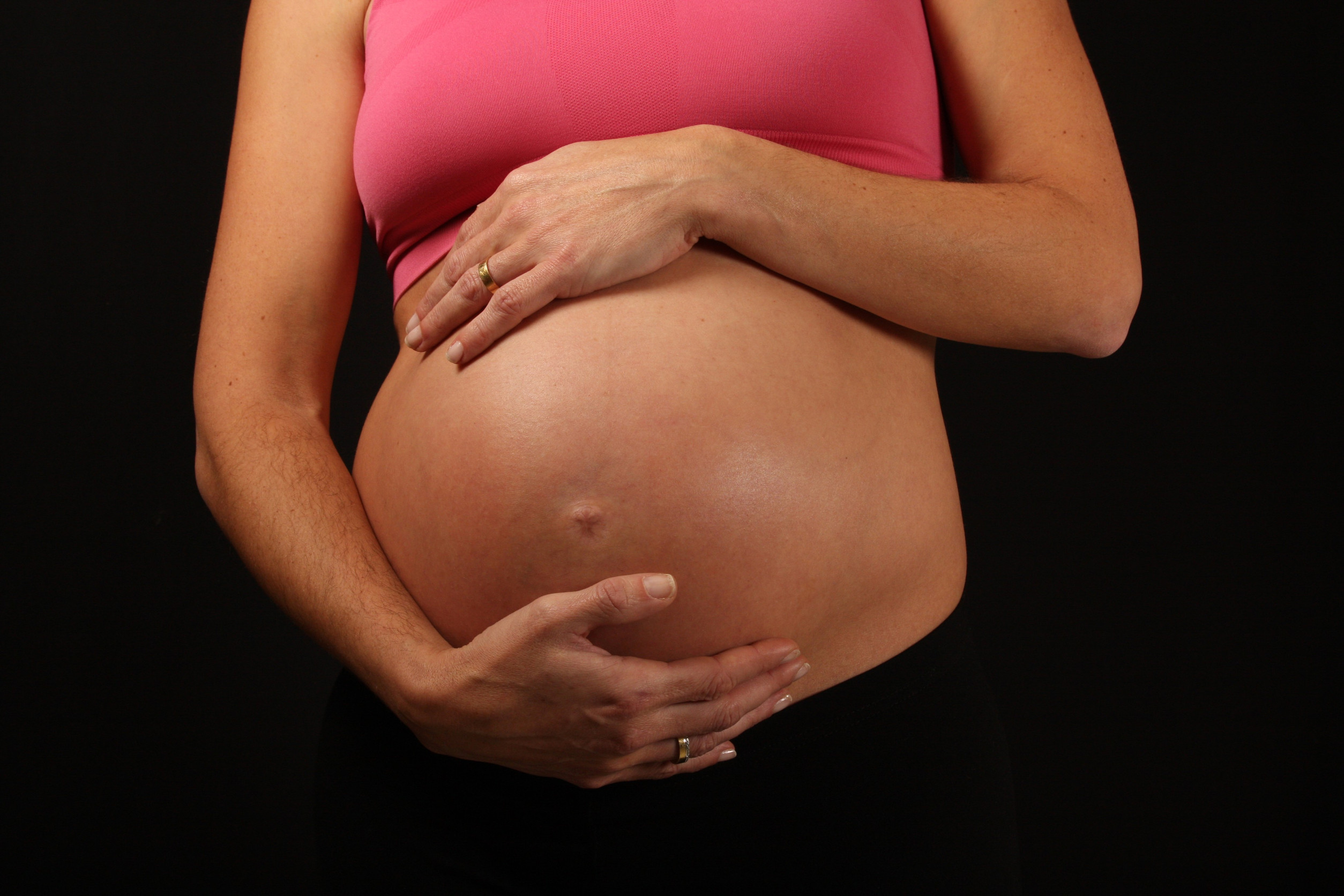
Central to the Maldives’ success is its strong maternal and neonatal healthcare infrastructure. More than 95 percent of pregnant women in the country receive full prenatal care, including early and routine screenings for HIV, syphilis, and hepatitis B. This ensures timely interventions, including immediate vaccination of newborns against hepatitis B within 24 hours of birth, followed by a complete immunization schedule.
Official data from the Maldives Ministry of Health shows striking results. In both 2022 and 2023, no infants were born with HIV or syphilis. A 2023 national survey also confirmed that no child entering primary school was infected with hepatitis B. These are not just numbers. They represent lives untouched by preventable illnesses.
A standout in a challenging region
This achievement becomes even more significant when viewed in context. Across Southeast Asia in 2024, approximately 23,000 pregnant women were diagnosed with syphilis, resulting in nearly 8,000 infants born with the disease. Another 25,000 women needed antiretroviral therapy to prevent HIV transmission to their babies, and more than 42 million people in the region are currently living with hepatitis B.
That makes the Maldives’ success not just admirable, but urgently instructive.
Lessons in integration and access
Health experts point to the country’s integrated approach as a key driver of progress. Instead of treating each disease as a separate issue, the Maldives embedded testing and treatment into routine maternal and child healthcare services. This seamless model helped close gaps in care and reduce stigma around testing and treatment.
Equally vital has been the nation’s commitment to universal health coverage. All prenatal services, diagnostic tests, and vaccinations are provided free of charge, ensuring no expectant mother is left behind due to cost barriers.
Challenges ahead, and a call to sustain progress
While the recognition from WHO is a cause for celebration, it also comes with responsibility. WHO emphasized the need for continued vigilance. The Maldives must now focus on improving its digital health systems, reaching migrant and remote communities, integrating private healthcare providers, and maintaining stringent lab testing standards.
Still, this accomplishment lights the way for other nations looking to safeguard the health of future generations. With vision, investment, and inclusive care, what the Maldives has achieved may one day become the global norm.