BY THE OPTIMIST DAILY EDITORIAL TEAM
Brazil, a country at the heart of the world’s climate future, has taken a major step by creating 10 newly recognized Indigenous territories. The announcement came at a moment of heightened emotions and protests both inside and outside the COP30 conference, underscoring how deeply land rights and climate justice are intertwined.
These new territories, which span parts of the Amazon and several other regions, will receive legal protection for their ecosystems and cultures. Although enforcement of such protections has historically been inconsistent, the designation marks the first expansion of Indigenous lands since President Luiz Inácio Lula da Silva took office. His administration recognized 11 territories last year, signaling a shift from the previous government’s policies.
For many Indigenous leaders, this progress is long overdue. “Each and every Indigenous territory in Brazil is a reason to celebrate,” said Dinaman Tuxá of the Articulation of Indigenous Peoples of Brazil (APIB). “If you demarcate Indigenous lands, you guarantee this area will be protected.”
Restoring lands, protecting biodiversity
The announcement reflects a growing body of evidence showing that Indigenous stewardship is one of the strongest safeguards against deforestation. Tuxá points out that Indigenous communities protect 82 percent of the planet’s biodiversity, crediting their traditional ways of life with keeping ecosystems intact.
Research backs this up. A recent study from APIB, the Amazon Environmental Research Institute, and the Indigenous Climate Change Committee found that expanding Brazil’s Indigenous territories could prevent up to 20 percent of additional deforestation and cut carbon emissions by 26 percent by 2030.
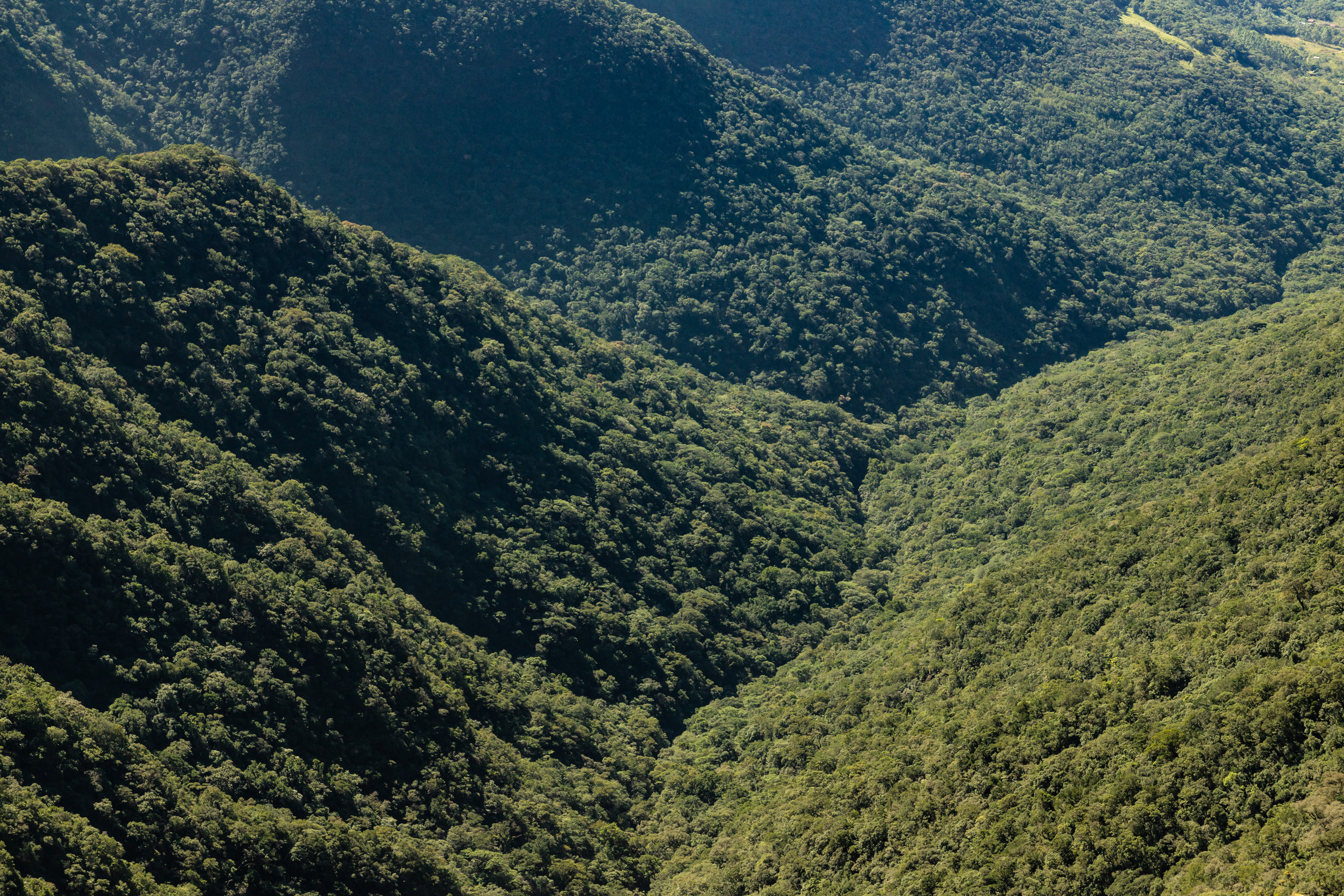
The newly designated territories span hundreds of thousands of hectares and are home to several Indigenous peoples, including the Mura, Pataxó, Munduruku, Guarani-Kaiowá, Tupinambá de Olivença, Pankará, and Guarani-Mbya. One of the territories overlaps with more than 78 percent of the Amazon National Park, one of the rainforest’s most biodiverse and climate-critical regions.
Tension and tragedy alongside progress
Despite this moment of celebration, the atmosphere around COP30 was fraught. Thousands protested outside the summit over the weekend, with many holding signs reading “demarcation now.” Last week, demonstrators, among them Indigenous leaders, broke into the venue to protest the perceived slow pace of land protections.
Heightened security followed, with more armed soldiers and police stationed around the conference grounds. More than 200 human rights organizations sent a letter to UN officials criticizing the increased militarization, warning that it reflects “a global trend towards the silencing of dissent.”
For communities on the front lines, the urgency is far from abstract. On Sunday November 16th, an Indigenous leader from the Guarani Kaiowá community was killed in a violent attack, according to Survival International. Vicente Fernandes Vilhalva, 36, was reportedly shot during an assault on the village by armed men. Such violence underscores the risks many face when defending their ancestral lands.
Growing Indigenous presence inside COP30
Despite tensions at the entrance, COP30 saw the highest number of Indigenous representatives in the summit’s history. “This makes me very happy,” said Kleber Karipuna from APIB. “We worked for two years and now we have at least 900 people inside the COP where they can negotiate and represent their communities.”
For many, the increased visibility is a crucial shift. Past administrations often sidelined Indigenous voices; today, they were front and center in discussions about climate solutions, biodiversity protection, and land rights.
A turning point for Brazil’s climate future
Before Lula’s return to office, no new Indigenous lands had been formally recognized since 2018. Under former president Jair Bolsonaro, mining and commercial agriculture encroached deeper into protected areas, and existing rights were often ignored. Lula’s government has already taken steps to remove illegal miners, one of the region’s most destructive forces.
Currently, Indigenous lands make up 117.4 million hectares, which amounts to roughly 13.8 percent of Brazil’s territory, or about the size of Colombia. These areas are essential to protecting the Amazon, which is nearing a dangerous tipping point as deforestation and climate impacts accelerate.
As world leaders meet to keep global warming well below two degrees Celsius, Brazil’s actions carry global significance. Thick, healthy forests draw carbon out of the atmosphere; weakened ones release it back. Protecting Indigenous territories isn’t just a local issue; it’s one of the most powerful climate strategies available.
What happens next
The designation of the 10 new territories will be formalized through a presidential decree, but enforcement remains a challenge. The hope among Indigenous communities and conservationists is that these commitments translate into real protection on the ground.
Still, many see this as a moment of real possibility. As Tuxá put it, Indigenous land rights are not just cultural or territorial; they are instrumental to tackling the climate crisis. “The entire humanity benefits from it,” he said.