BY THE OPTIMIST DAILY EDITORIAL TEAM
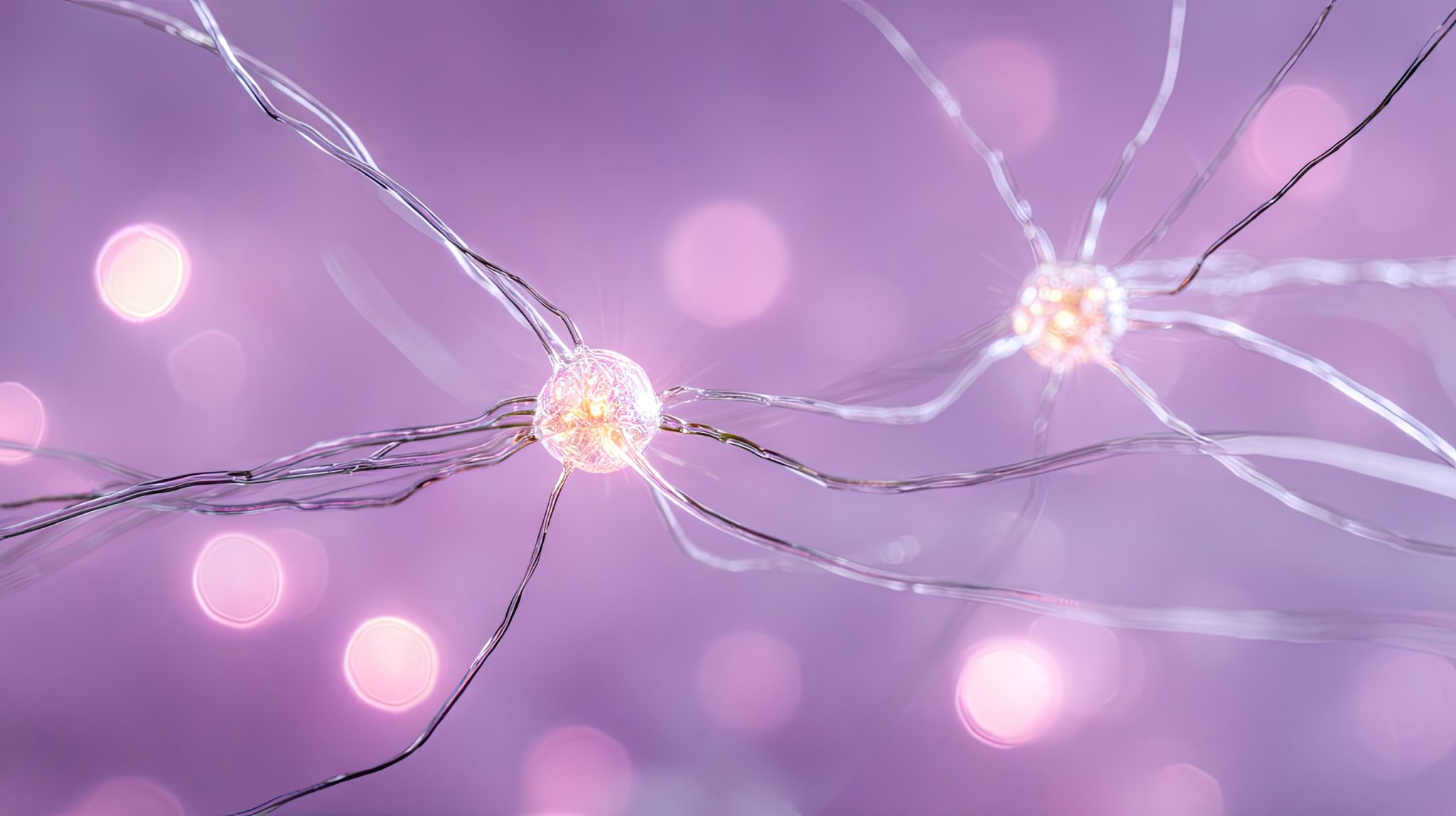
Imagine a future where chronic pain is eased not by pills, but by tiny, lab-grown neurons that intercept pain signals before they ever reach your brain. Scientists are inching closer to that vision with an experimental new therapy nicknamed the “pain sponge”, a stem cell-derived treatment that may one day offer an alternative to opioids and other conventional painkillers.
This breakthrough, developed by researchers at Johns Hopkins School of Medicine, centers on a novel therapy called SN101. In preclinical testing on mice with osteoarthritis, the team found that the sponge-like sensory neurons not only blocked pain signals at the source but also appeared to help repair damaged cartilage and bone. This two-for-one benefit could be especially promising for people living with degenerative joint diseases.
“The possibility that the therapy could both relieve pain and slow cartilage degeneration is particularly compelling for osteoarthritis,” said Dr. Chuan-Ju Liu, an orthopedics professor at Yale University not involved with the study.
While the work is still in the early stages, the approach represents an exciting new pathway in the science of pain management.
How does the “pain sponge” work?
The treatment is built on the powerful potential of human pluripotent stem cells (hPSCs). These are the kind that can become virtually any type of cell in the body. In this case, the researchers, led by neurology professor Gabsang Lee, coaxed the stem cells into forming specialized sensory neurons that act like a sponge for inflammatory signals.
Once injected into the inflamed joints of mice with osteoarthritis, these engineered neurons absorbed and intercepted pain signals before they could travel to the brain. This is fundamentally different from how current medications work, which typically block pain after it’s already been registered by the nervous system.
Unlike previous stem-cell therapies aimed at replacing damaged neurons, SN101’s neurons don’t replace anything. Instead, they coexist with native nerve cells, mopping up pain at the site of inflammation like a cellular cleanup crew.
“Theoretically, this could work for all kinds of chronic pain,” said Daniel Saragnese, co-founder of SereNeuro Therapeutics, the biotech company developing SN101. So far, the research has focused on osteoarthritis, the most common form of arthritis and a leading cause of long-term pain.
Why this matters: the limits of current pain treatments
Chronic pain is defined as pain that lasts longer than three months. It sadly affects millions and is notoriously difficult to manage. Opioid medications are often used to dull severe pain, but they come with a host of complications: nausea, dependence, and the ever-present risk of addiction.
Despite these downsides, around nine percent of people with knee osteoarthritis still rely on opioids. And while lifestyle changes and physical therapy can help, they don’t always provide full relief.
That’s where SN101 could be a game-changer. The neurons used in the therapy are biologically complex, meaning they express multiple pain receptors. This makes them more reflective of how pain and inflammation naturally function in the body, potentially giving the therapy a more targeted and lasting effect than drugs that simply block pain signals downstream.
What’s next? A long road to human use
As promising as the early findings are, this research is still firmly in the preclinical phase. Before it reaches human trials, SN101 will need to undergo rigorous safety testing, including formal toxicology studies and assessments of how the treatment behaves over time.
Dr. Liu, while intrigued by the innovation, also noted a few important limitations that the researchers themselves acknowledged. For one, human and mouse joints differ significantly in size, mechanical stress, and complexity, making it tricky to predict how well the therapy will translate to human knees, hips, backs, or necks.
Another key question is immunogenicity: Could the introduced neurons trigger an unwanted immune response in some patients? Answering that will be critical before any future clinical application.
“Pain processing and immune-neuronal interactions can differ substantially between mice and humans,” Liu explained, “which may affect both therapeutic efficacy and durability.”
Why this research stands out
Stem cell science has long shown promise in the realm of neurodegenerative diseases like Parkinson’s and Alzheimer’s. But this project takes a novel approach by not replacing neurons, but adding new ones that act like molecular filters to stop pain before it even starts.
It’s a fascinating shift in strategy. Instead of trying to rewire or suppress the brain’s pain response, SN101 aims to intercept the message entirely with a sort of biological noise-canceling system at the cellular level.
If future studies continue to support its safety and effectiveness, SN101 might one day give patients an option to manage chronic pain without reaching for a bottle of pills.
And that’s the kind of scientific progress worth watching closely.
Source study: bioRxiv—Ectopic engraftment of nociceptive neurons derived from hPSCs for pain relief and joint homeostasis
Did this solution stand out? Share it with a friend or support our mission by becoming an Emissary.