BY THE OPTIMIST DAILY EDITORIAL TEAM
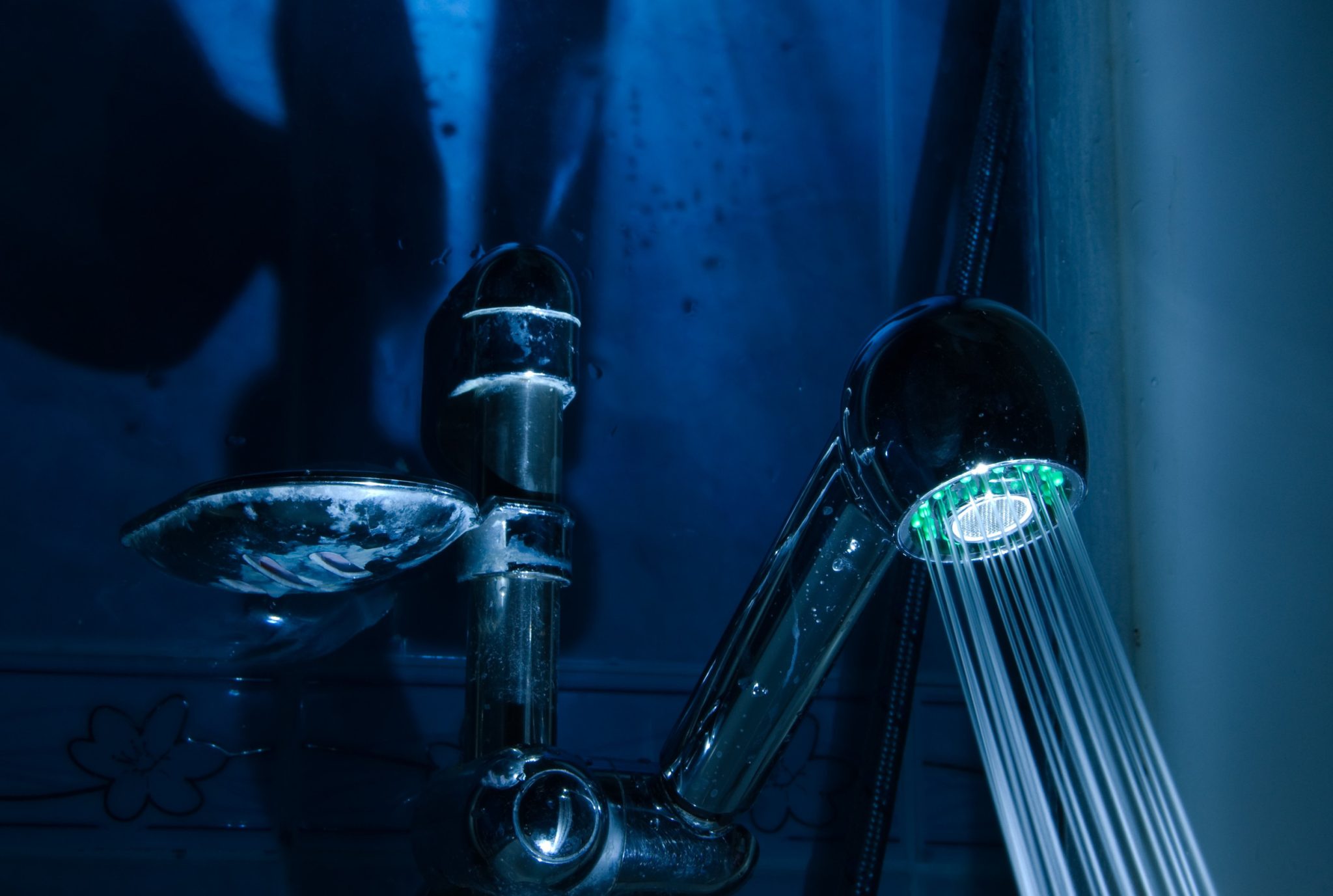
Scrolling through social media lately, you may have stumbled upon a surprisingly simple sleep hack: turning off the lights before stepping into the shower at night.
Known as “dark showering,” the trend swaps bright bathroom lighting for dim bulbs or even complete darkness as part of a bedtime wind-down routine. Supporters say it calms the mind, reduces stress, and even improves sleep quality.
But does showering in the dark truly help you fall asleep faster, or is it simply a comforting ritual at the end of a long day? Sleep experts say there is some real science behind the idea (with a few important caveats).
Why light and temperature matter for sleep
According to Chelsie Rohrscheib, PhD, a neuroscientist and head of sleep research at Wesper, dark showering can support the body’s natural transition into sleep.
“For the brain to initiate sleep, the body must undergo a slight drop in core body temperature (usually by one degree),” Rohrscheib explained.
A warm shower temporarily raises body temperature. When you step out, your core temperature drops quickly, essentially mimicking the body’s natural cooling process before sleep. “This mimics the natural process that occurs in our body before sleep, making it easier for the brain to transition into sleep,” she said.
Lighting plays a role as well. Melatonin, the hormone that signals it is time to sleep, is regulated by light exposure.
“Melatonin is a circadian rhythm-regulating hormone created in our brains that signals when it’s time to be awake vs. asleep,” Rohrscheib said. “Its production is regulated by light information entering our eyes, where consistent light exposure suppresses melatonin production and lower light levels increase melatonin production.”
In other words, dimming the lights even in the shower can help signal to your brain that bedtime is approaching. “Therefore, showering with the lights off promotes melatonin release, preparing the brain for sleep ahead of time,” she added.
A built-in mindfulness moment
Beyond biology, dark showering may offer psychological benefits.
“It’s a good way to relax and de-stress before bed, moving our nervous system into the parasympathetic state, which is responsible for relaxation and sleepiness,” Rohrscheib noted. That shift can also reduce cortisol, a hormone associated with alertness and stress.
Patricia Read, a sleep coach at Goldilocks Sleep Solutions, says the practice can double as a form of mindfulness.
“In the dark, we create space for our other senses to take over. We can focus more on the comforting feel of the warm water hitting us, the pleasant smells we chose for our cleansers, and the soothing sounds of the shower water,” she said.
The result can resemble meditation. “This atmosphere creates the perfect space to visualize your thoughts and worries being washed away, creating a blank slate for you to welcome sleep and then start your day fresh in the morning,” Read added.
For people whose evenings are packed with screens and stimulation, that sensory reset can be especially helpful.
Not a cure-all for sleep struggles
As soothing as it sounds, experts caution against seeing dark showering as a miracle solution.
“Someone with chronic sleep issues or an underlying sleep disorder may find limited to no success without medical intervention,” Rohrscheib said.
Mindset also matters. “If someone goes into dark showering thinking it’s a magical solution, then chances are they won’t benefit from it,” Read explained. Rushing through the shower just to check off a wellness box may cancel out the stress-reducing effect.
“Dark showering before bed could be counterproductive for someone who feels pressure to get it done, hence heaping even more stress on themselves,” she said.
In short, it works best as a ritual, not a performance.
Proven sleep strategies to pair with it
If you are curious about trying dark showering, experts recommend combining it with evidence-based sleep habits.
Rohrscheib advises keeping a consistent sleep schedule. Try going to bed and waking up at roughly the same time every day, including weekends, to help regulate your circadian rhythm.
Caffeine timing matters, too. She recommends avoiding it at least six hours before bed. Research suggests caffeine’s half-life is around six hours, meaning about half of it can still be active in your system long after that afternoon coffee.
Read also suggests avoiding heavy meals about three hours before bedtime, as digestion can interfere with rest.
Light exposure remains one of the most powerful sleep signals. Rohrscheib recommends limiting bright overhead lighting and screens in the evening and keeping your bedroom dark, cool, quiet, and comfortable.
And what if sleep still refuses to come? “Do not allow yourself to toss and turn in bed for longer than 20 minutes,” Rohrscheib said. Instead, get up and do a calming activity in dim light for 10 to 15 minutes before returning to bed.
A small shift with potential payoff
Dark showering is not a cure for insomnia. But as part of a thoughtful nighttime routine, it may offer a low-effort way to reduce stimulation and ease the transition into rest.
Sometimes, better sleep does not require a dramatic overhaul. Just a few subtle signals to your brain that the day is done.
If turning down the lights and stepping into warm water helps you exhale a little more deeply, that alone may be a step in the right direction.
Did this solution stand out? Share it with a friend or support our mission by becoming an Emissary.