BY THE OPTMIST DAILY EDITORIAL TEAM
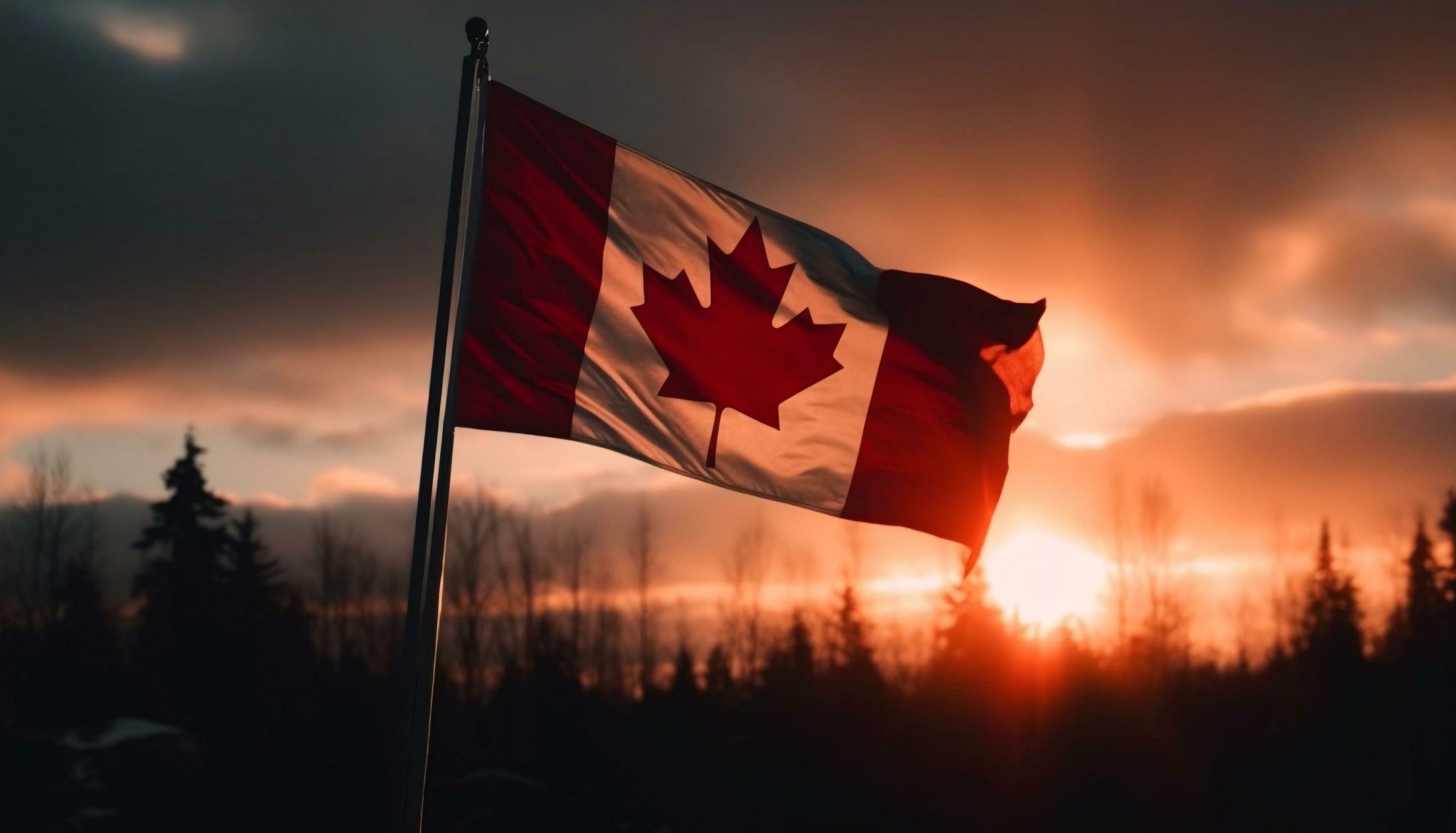
In the North of Canada, where distances are vast and winters long, institutions really matter. Schools, clinics, and community programs are more than just services; they are anchors. This week, Ottawa pledged new funding aimed at strengthening those anchors, including support for the first Inuit-led university in Canada.
The federal government will provide $50 million (roughly $36 million USD) to help build Inuit Nunangat University in Arviat, Nunavut, alongside more than $170 million (roughly $125 million USD) in additional funding for tuberculosis elimination, food security, and child and family supports across Inuit communities.
Indigenous Services Minister Mandy Gull-Masty is set to formally announce the funding in Kuujjuaq, Quebec, during a meeting with the Makivvik Corporation, which represents Inuit in Nunavik.
“Together, we can create lasting opportunities that empower Inuit communities to thrive and shape their own future,” Gull-Masty said in a statement. She described the investments as part of a broader effort to address “long-standing gaps in health and community services, while supporting Inuit-led priorities and strengthening the foundations that sustain vibrant, healthy communities in the North.”
A university rooted in the North
The $50 million commitment for Inuit Nunangat University will be funded through Budget 2025’s Build Communities Strong Fund. While the project was referenced in last fall’s budget, a specific dollar figure had not previously been attached.
Housing Minister Gregor Robertson called the university “a transformative initiative that will strengthen Inuit-led education and community wellbeing, and contribute to long term economic and social development across Inuit Nunangat.”
“Learning and working at home means that more Inuit will have the opportunity to grow in the North,” he added.
For many Inuit leaders, the announcement marks a long-awaited step toward self-determined education that is designed by and for Inuit, grounded in language, culture, and northern realities.
Renewing support for Inuit children and families
Ottawa is also allocating $115 million (approximately $85 million USD) to renew the Inuit Child First Initiative, a temporary program that ensures Inuit children have equal access to health, social, and educational services without delay. The initiative, which includes support such as food vouchers, was set to expire at the end of March.
The renewal comes at a time when food insecurity remains stark. In 2022, more than three-quarters of Inuit children in Inuit Nunangat experienced food insecurity, according to Statistics Canada.
Yet challenges remain. There are currently up to 7,000 outstanding funding requests that have not been processed by Indigenous Services Canada, according to figures shared with Inuit Tapiriit Kanatami (ITK).
“That is an indication that there are huge administrative challenges with this initiative,” said ITK president Natan Obed.
Obed has urged the minister to prioritize clearing the backlog before turning to long-term program reform. He has also called for sustainable, predictable funding to ensure children and families are not left waiting for essential supports.
Makivvik president Pita Aatami welcomed the funding, while underscoring the work ahead.
“This funding will make a meaningful difference in the lives of our children and families,” he said. “However, much work remains to close long-standing gaps and address the systemic challenges that Inuit continue to face.”
Addressing food security in isolated communities
The announcement also includes $30 million (roughly $22 million USD) for Nutrition North Canada, the retail subsidy program designed to lower the cost of perishable food and essential goods in 124 isolated northern communities.
An additional $6.7 million (roughly $4.9 million USD) will go to the Northern Isolated Community Initiatives Fund, supporting local businesses and community groups working to grow and distribute food closer to home.
Together, these investments aim to ease the high cost of living in the North, where groceries often travel thousands of kilometres before reaching store shelves.
A renewed push to eliminate tuberculosis
Ottawa is committing $27 million (around $19 million USD) over five years to support Inuit-led, community-specific efforts to eliminate tuberculosis through improved prevention, screening, diagnosis, and treatment.
In 2018, ITK and the federal government pledged to eradicate tuberculosis in Inuit Nunangat by 2030. Whether that target will be met remains uncertain. Inuit communities continue to experience some of the highest tuberculosis rates in the world, and Nunavik ended last year with a record number of cases.
“Inuit are dying of tuberculosis,” Obed said. “This is a disease that has tremendous ramifications for the sustainability of our communities and the cost of our health-care system.”
While he welcomed the new funding, Obed emphasized that tuberculosis cannot be addressed through healthcare measures alone, especially as Ottawa prepares to invest billions in Arctic security.
“If the Government of Canada wishes to expand its footprint in Inuit Nunangat through the military … I would imagine that Canadian soldiers don’t want to contract TB either,” he said.
Jessika Huard, tuberculosis elimination program manager at the Nunavik Regional Board of Health and Social Services, echoed that broader view during last year’s outbreak.
“We need housing, infrastructure and other social services to all work together in order to fix this,” she said.
A step forward, with expectations for more
The federal government has stated it will continue working with Inuit partners to develop solutions that reflect local priorities and strengthen communities across Inuit Nunangat.
For leaders on the ground, the new funding represents meaningful progress but not the end of the conversation. Housing shortages, poverty, infrastructure gaps, and health inequities remain intertwined challenges.
As Obed put it, “We are still waiting for the Government of Canada to honestly come to the table and work towards the elimination of tuberculosis as if it is the crisis that it is in our communities.”
In the North, progress often arrives in increments. This week’s announcement adds new building blocks: a university, renewed child support, and expanded health funding. Whether they form the foundation that Inuit leaders envision will depend on what comes next.
Did this solution stand out? Share it with a friend or support our mission by becoming an Emissary.