BY THE OPITMIST DAILY EDITORIAL TEAM
You know the feeling: you’re staring at a sponge that’s clearly past its kitchen prime, and something makes you pause before dropping it in the bin. Good instinct.
Old sponges, especially natural ones made from cellulose or other plant-based materials, have more life in them than most people realize. They just need a new job. Here are nine worth trying.
Sprout seeds without a tray
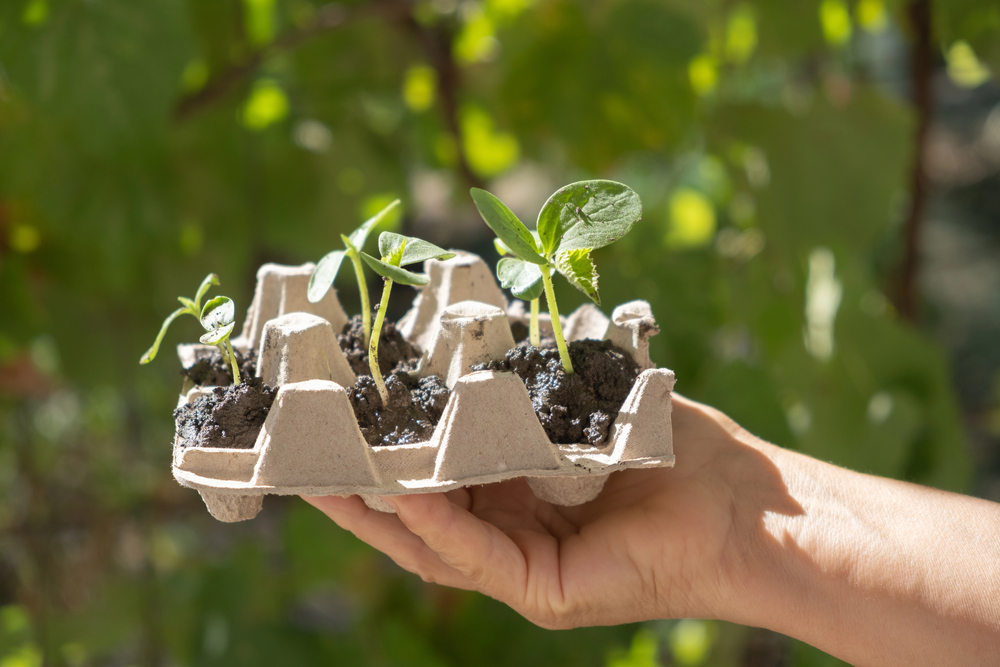
No seed-starting tray? A damp sponge does the job. After washing and disinfecting it, wet it thoroughly, spread a layer of seeds across the top, and place a clear bowl or lid over it to hold in moisture. Check it every few days and mist with a spray bottle. Once seedlings start to emerge, transfer them to their planters.
Protect your floors from furniture scratches
Cut dried sponge pieces to size and glue them to the bottoms of furniture legs with a strong adhesive. They absorb the impact, so chairs and tables stop scraping and sliding. The same trick works on the undersides of plant pots, which is handy when you’re rearranging things on hardwood or tile.
Dust your houseplant leaves
Leafy houseplants collect a coating of dust over time, and an old sponge is good enough for the job. Dampen it, then wipe it across each leaf. You can also use it to apply a diluted treatment when your plants need a little care.
Move your sponge to the bathroom
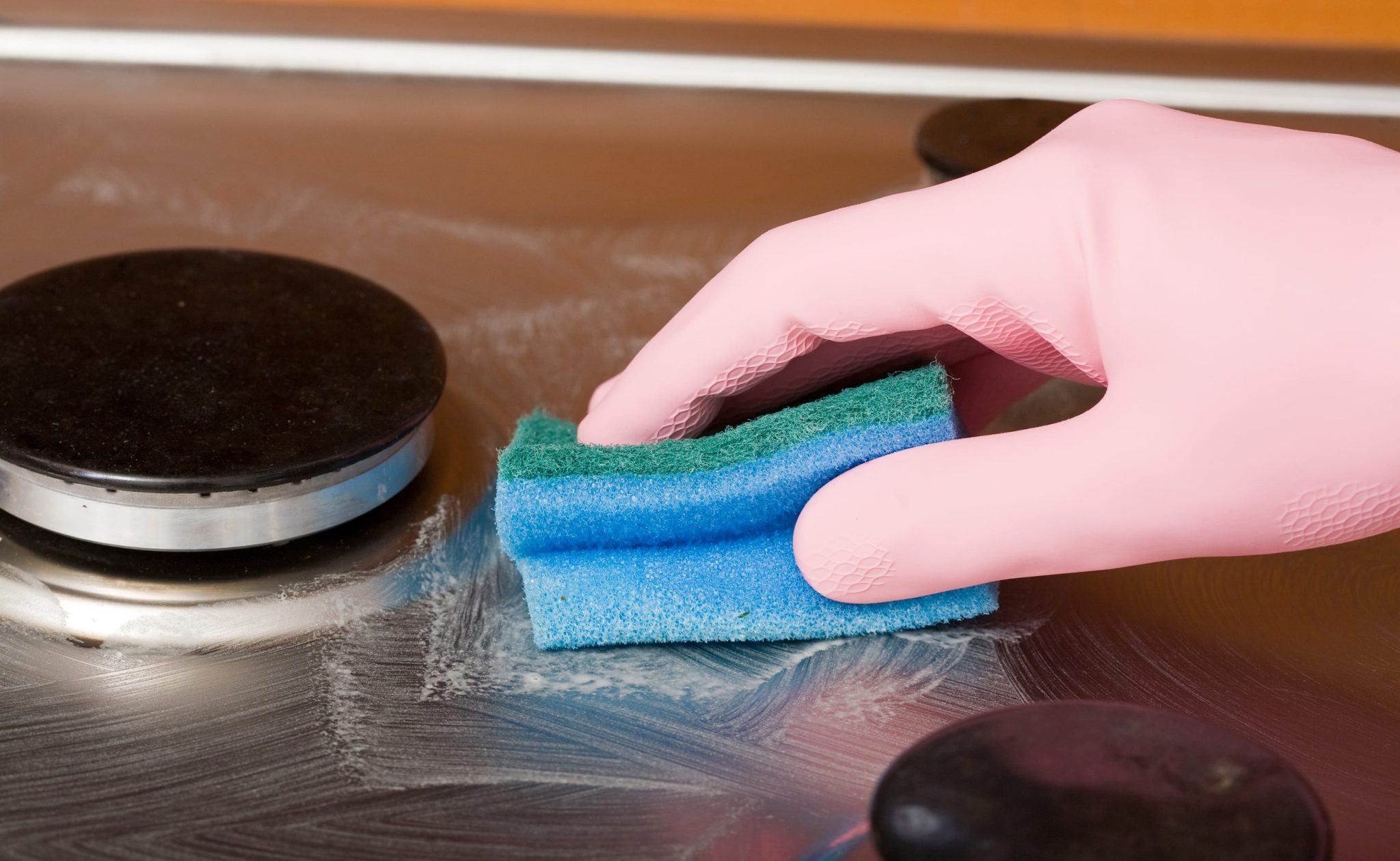
A sponge that’s past its kitchen prime can still handle a bathroom sink, a shower, or a toilet. Sanitize it, give it a specific zone, and store it somewhere it can dry out fully between uses. One per area keeps things cleaner.
Build a DIY scrubber for outdoor furniture
Collect a few old sponges, cut them into strips, and tie them together with string. Dip the bundle in a cleaning solution and use it on patio furniture that’s been sitting since last fall. A functional tool, made from things you were about to throw away.
Make a reusable ice pack
Soak a sponge in water, seal it in a zip-close bag, and put it in the freezer. It stays pliable when frozen and fits around whatever needs cooling: a lunch bag, a small cooler, a sore ankle. Wash and refreeze as needed.
Repel pests from your outdoor seating
Dip an old sponge in insect repellent and wipe it across chairs, tabletops, and loungers before you head outside. Or saturate one in citronella oil and leave it on a plate nearby. Cheaper than a candle, and it works the same way.
Create a kneeling pad for garden work
Stack a few sponges together, and you have an instant kneeling pad. Larger car-wash sponges are best, but a collection of smaller ones works too. If you want something that holds up, wrap them in fabric and stitch it closed. Your knees will thank you.
Add them to your compost
Once a natural sponge has nothing left to give, cut it into smaller pieces and add it to your compost bin or garden heap. Sponges made from cellulose, walnut shell, hemp, or other plant-based materials break down over time. Synthetic and plastic sponges don’t belong in compost.
Did this solution stand out? Share it with a friend or support our mission by becoming an Emissary.