BY THE OPTIMIST DAILY EDITORIAL TEAM
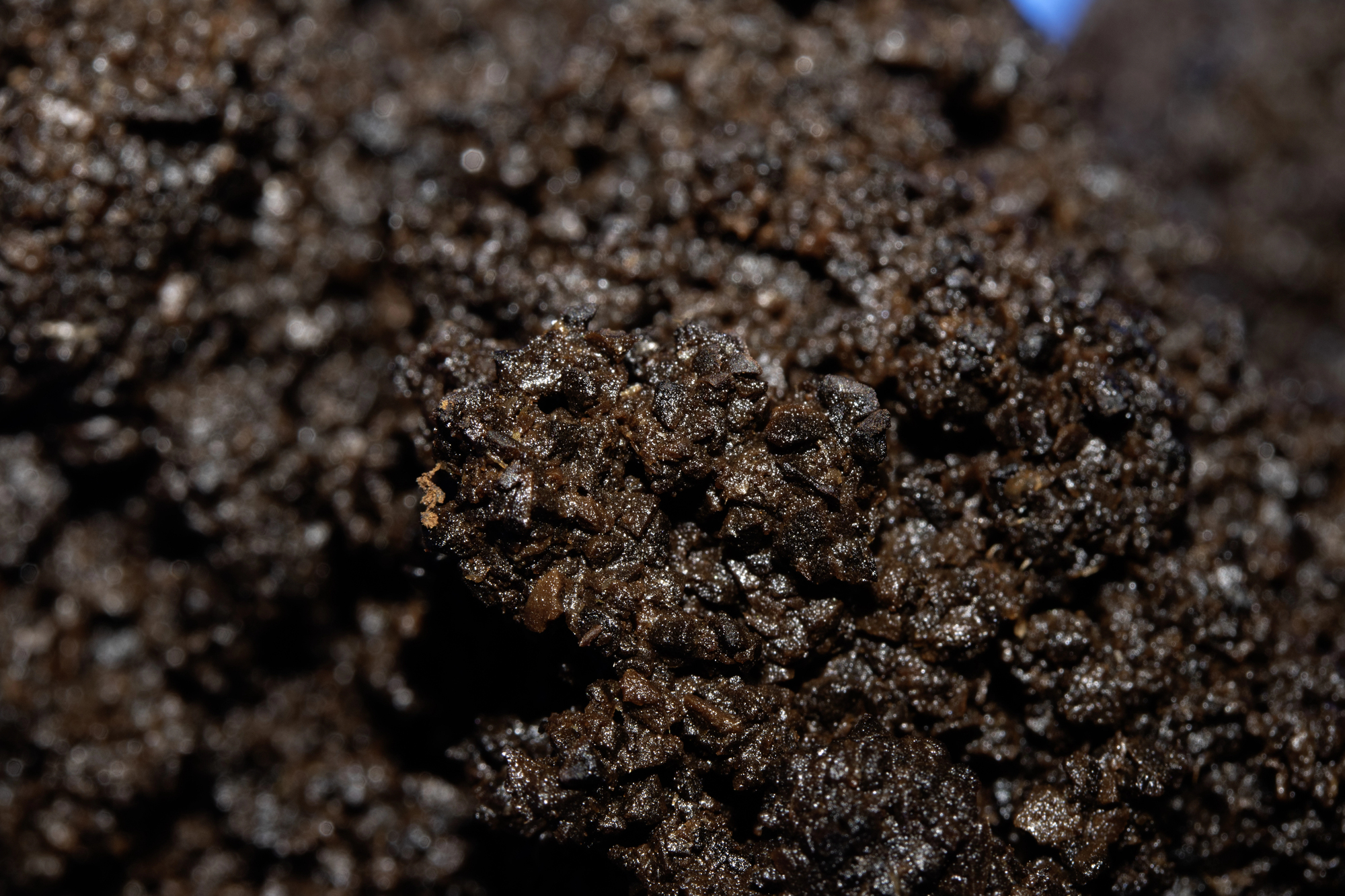
Researchers at the Korea Institute of Geoscience and Mineral Resources developed a plasma-based process that converts wet coffee grounds into coal-grade biochar in under 90 seconds, with no pre-drying required. The system, described in Chemical Engineering Journal, uses high-temperature plasma flames to process moisture-rich biomass directly, with the water content working as part of the conversion rather than against it.
Why wet biomass has been a persistent problem
High moisture content has long been one of the hardest obstacles in biomass energy recovery. Most conversion technologies require feedstocks to be dried before processing, which adds cost, energy, and time to a supply chain that is already difficult to operate at scale. Spent coffee grounds are particularly moisture-heavy, and conventional approaches treat that water as a problem to be removed before anything useful can happen.
The KIGAM team’s Flame Plasma Pyrolysis system takes a different approach. Plasma flames generated from liquefied petroleum gas and compressed air reach temperatures between 1,470 and 1,650 degrees Fahrenheit (800 to 900 degrees Celsius). At those temperatures, water trapped inside coffee particles vaporizes rapidly, building internal pressure until the particles fracture. Researchers call this the “popcorn effect”: the steam-driven bursts open the biomass structure, increase porosity, and accelerate carbonization faster than dry processing allows. Under optimized conditions, complete conversion takes 90 seconds.
What the resulting material delivers
The biochar is competitive with anthracite coal in energy content. Its heating value of 29.0 megajoules per kilogram is about 33 percent higher than that of untreated coffee grounds, and fixed carbon content rose from 15.6 percent to 46.2 percent. Sulfur compounds were fully eliminated, removing a combustion emissions concern that conventional coal does not clear. The material’s specific surface area also increased substantially, producing a porous carbon product with uses beyond fuel: activated carbon production, filtration, and industrial adsorption.
How it compares to other biomass processing methods
Speed is where Flame Plasma Pyrolysis separates itself most clearly. Hydrothermal carbonization, one of the more established approaches for wet biomass, typically requires one to six hours; torrefaction runs 30 minutes or more. The KIGAM system completes the same conversion in 90 seconds, using combustion-generated plasma rather than electricity-intensive electrode-based devices, which keeps energy costs lower. The process also produced minimal smoke and tar compared to conventional biomass treatment, reducing downstream handling considerably.
Beyond coffee grounds
Although the study focused on spent coffee grounds, lead researcher Dr. Taejun Park described the potential as considerably broader. Food waste, sewage sludge, and agricultural residues all share the high-moisture characteristics that have historically made biomass recovery expensive and difficult, and the team believes the same approach applies. Park put it plainly: wet organic waste is a feedstock, not a disposal problem. Commercial-scale testing with additional waste types is the next step.
Source study: Chemical Engineering Journal— Rapid conversion of wet spent coffee grounds into high-calorific biochar via drying-free flame plasma pyrolysis for process intensification
Did this solution stand out? Share it with a friend or support our mission by becoming an Emissary.