BY THE OPTIMIST DAILY EDITORIAL TEAM
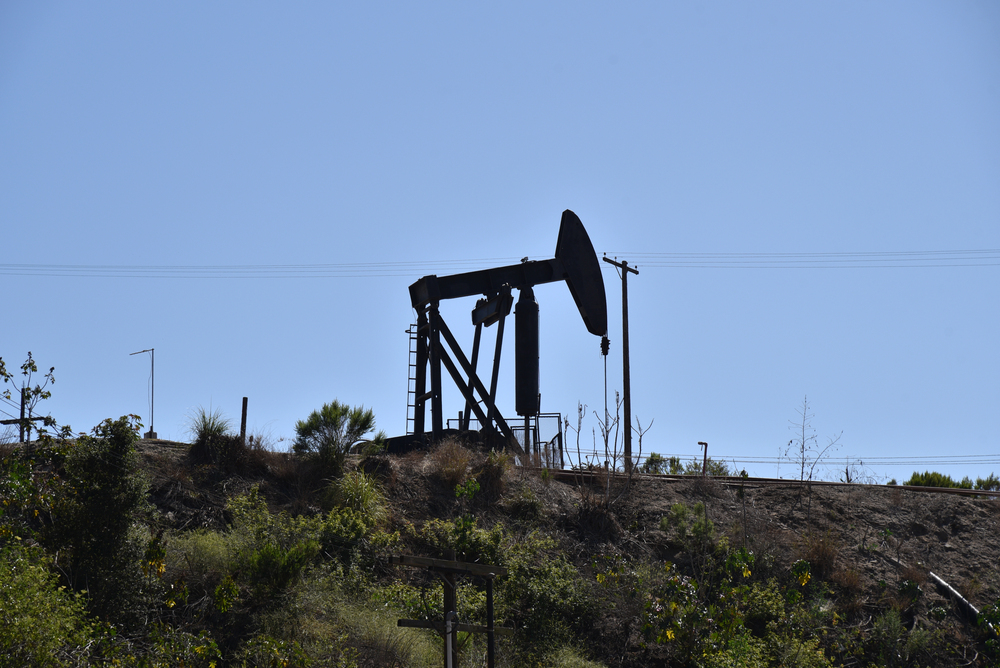
For more than a decade, residents in some of Los Angeles’s most densely populated neighborhoods have lived alongside oil wells: down the street from active drilling operations, near idle wells leaking methane, in communities where benzene and hydrogen sulfide from nearby extraction have been connected to higher rates of respiratory illness and reduced lung function. On October 28, the LA City Council voted to end that. The ordinance bans new drilling immediately, prohibits the deepening or redrilling of existing wells, and requires all active operations within city limits to phase out over the next 20 years. Los Angeles is now the largest city in the United States to ban oil extraction, and the first to kick the industry out entirely.
A decade of community pressure
It took more than ten years to get here, and Wendy Miranda, a policy director with Esperanza Community Housing, has been campaigning with STAND-LA, a coalition of community groups working to end neighborhood drilling, for most of that time. “Front-line communities have pushed the city for a solution for this for over a decade,” she said. For Miranda, the campaign was personal as much as political. She and her mother both have asthma, and many of the communities closest to the wells are working-class neighborhoods of color where residents have absorbed the health costs of extraction for generations. “Frontline communities have been experiencing or have experienced for decades living near these toxic sites and having to pay for that with their health,” she said.
California’s oil industry expanded rapidly in the early 20th century, when the state produced roughly a quarter of the world’s oil. Much of that production was in and around Los Angeles, and as the city grew outward, homes, schools, and businesses were built around the existing infrastructure rather than the other way around. Today, active wells sit near playgrounds, in residential neighborhoods, and along the coast. Idle wells, which under California law are those that haven’t produced oil for two years but can still return to production, dot the same areas. Residents near both report persistent odors, headaches, nausea, and breathing difficulties.
The legal setback that opened a new door
The City Council first passed an ordinance to phase out oil extraction in 2022, after sustained lobbying from residents including Miranda. Oil companies challenged it in court and won, successfully arguing that the city lacked the authority to impose a ban. California then passed legislation giving local governments broader power to regulate and restrict oil and gas operations. The October 28 vote is what came out the other side.
Council president Marqueece Harris-Dawson was direct: “In South LA, working-class families have had corporations drilling across the street from their homes. No one should have to live near an oil drilling site.”
The California Independent Petroleum Association has said it will challenge the new ordinance, calling it “an unlawful taking of private property” and arguing it will push residents toward greater dependence on foreign oil. The California Energy Commission has noted that the link between local production and pump prices involves crude costs, refining, transportation, and taxes, and that because oil is traded globally, domestic output doesn’t set what people pay at the pump. California’s production has been declining for decades in any case; output in the LA Basin is 43 percent lower than it was eight years ago.
Who pays for the cleanup?
The ban gets Los Angeles out of oil extraction, but what it doesn’t do is resolve what comes after. When wells stop producing, operators are legally required to remove equipment and plug them, but many haven’t. About 80 percent of idle wells in LA have been inactive for more than eight years, roughly a third for over a century. CalGEM, the state agency overseeing oil and gas, collected just $1 million of the $36 million in fines it was owed in 2025. A Carbon Tracker report found that even if all future profits from California’s oil companies went toward decommissioning, the state would still face a $7 billion shortfall. That gap falls to taxpayers.
For Miranda and other advocates, the next phase is to compress the 20-year timeline and make the industry cover the cleanup costs rather than hand them off. She says she and her mother are both hopeful that future generations “can have better health and breathe cleaner air.” The council vote, in her words, “definitely represents hope.”
Did this solution stand out? Share it with a friend or support our mission by becoming an Emissary.