BY THE OPTIMIST DAILY EDITORIAL TEAM
Every time you stream something, pay a bill, or ask an AI a question, a server somewhere is putting in the work. Those servers live in data centers: large, unglamorous buildings full of humming machines that run around the clock and consume staggering amounts of power and water. Most people have never given them a second thought. In towns across the United States, that’s starting to change.
What a data center actually is
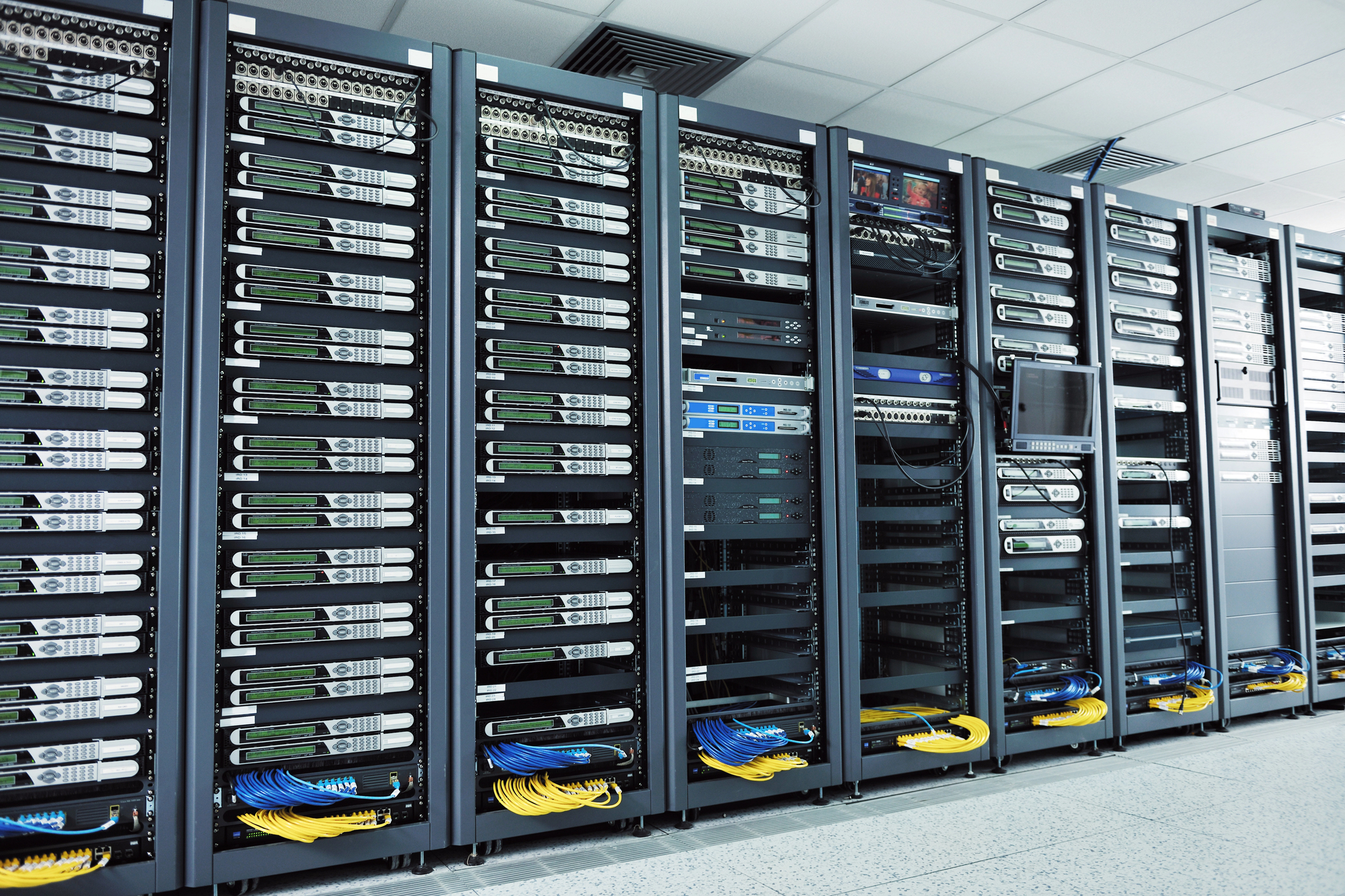
A data center is a building, sometimes one large one and sometimes a campus of several, that houses servers, storage systems, and networking equipment. When a search result loads, your bank app works, or a video streams without buffering, you’re drawing on computing power housed somewhere in one of these facilities.
They come in a few forms. Some are owned and operated by a single company for its own use. Others are colocation facilities, where multiple businesses rent space and power to run their own hardware under one roof. The largest are hyperscale cloud data centers run by major tech companies, serving millions of users at once and sometimes stretching across hundreds of thousands of square feet. All of them run 24 hours a day, every day, whether you’re using them or not.
How do we keep data centers running?
The appetite is hard to overstate. A single large AI-era data center can use as much electricity as 100,000 homes. All that computing generates heat that has to be pulled out constantly, and cooling is where most of the water goes: a large facility can draw up to five million gallons per day.
The scale of what’s being built right now is unusual even compared to five years ago. Facilities built for AI workloads use 10 to 40 times the power of data centers built before 2015. A January 2026 industry report projected that total U.S. data center energy demand could nearly double between 2025 and 2028, jumping from 80 to 150 gigawatts. All of that power and water has to come from somewhere, and it usually comes from wherever the data center gets built.
What does it mean when one moves in next door?
Electricity bills
In parts of Virginia, which has one of the densest concentrations of data centers in the country, electricity prices rose 267 percent over five years. Nearly three-quarters of surveyed residents blamed the facilities. Nationally, 2025 saw more than $60 billion in electricity rate increases, and researchers have found causal evidence linking data center growth to higher residential bills in surrounding areas.
It works like this: data centers need a lot of power, utilities have to build or contract new generation capacity to meet that need, and those costs get spread across every ratepayer on the grid, including people who live nowhere near the facility and have no connection to it.
Water
A mid-sized data center draws about as much water as a small town. A large one can rival the daily usage of a city of 50,000 people. About two-thirds of that is tied to electricity generation and another quarter goes directly to cooling. In regions that are already dry or drought-prone, communities end up competing with these facilities for water their households depend on.
Air quality and noise
Construction on major data center projects can run for years, with sustained truck traffic and diesel exhaust that residents nearby have to live with throughout. A 2025 public health model projected that U.S. data centers could contribute to roughly 600,000 asthma symptom cases and 1,300 premature deaths by 2030, more than a third of annual asthma deaths in the country.
Once a facility is operational, the cooling systems run continuously. The hum is low but constant, and noise complaints have come up in nearly every documented community opposition effort.
Land
Data centers tend to go where land is cheap: near green spaces, agricultural areas, and smaller communities on the edges of metro areas. Once a large industrial facility goes in, that land is gone. Studies have consistently linked access to green space to better mental and physical health outcomes, and that access disappears when a field becomes a server campus.
Jobs
Data center developers typically lead with job creation when they present to planning boards. Construction employment is real: a major project can bring in hundreds of workers over several years. The permanent workforce is a different story. Large facilities often run with fewer than 50 full-time employees once construction wraps. Wages in surrounding areas do tend to tick up by about three to four percent on average, but it’s rarely what communities were told to expect when they voted yes.
Why communities are saying no
The pushback has gotten organized. Between March and June 2025, opposition to data center projects surged 125 percent, stalling or blocking an estimated $98 billion in planned development. More than 100 communities have enacted moratoriums, and more than 300 data center bills were filed in state legislatures in just the first six weeks of 2026.
In July 2026, New York became the first state to impose a statewide ban on new large-scale data centers. Governor Kathy Hochul signed an executive order halting construction on facilities drawing 50 megawatts or more while the state develops stricter standards. Cities and counties from Seattle to Sarasota have added their own pauses, some running as long as two years.
Data centers aren’t going anywhere. The digital economy genuinely needs them. But the costs of building them out don’t land on everyone equally. They land on the people whose electricity bills go up, whose water gets drawn down, whose neighborhood gets three years of construction noise. These are factors that we all need to be aware of in order to make the best and fairest choices for all communities going forward.
Did this solution stand out? Share it with a friend or support our mission by becoming an Emissary.