BY THE OPTIMIST DAILY EDITORIAL TEAM
Cuba has long been known for its vintage cars — the American ones that kept rolling through decades of embargo and scarcity, repaired with ingenuity and improvised parts. That ingenuity hasn’t gone anywhere. What it’s being directed at now is something else entirely.
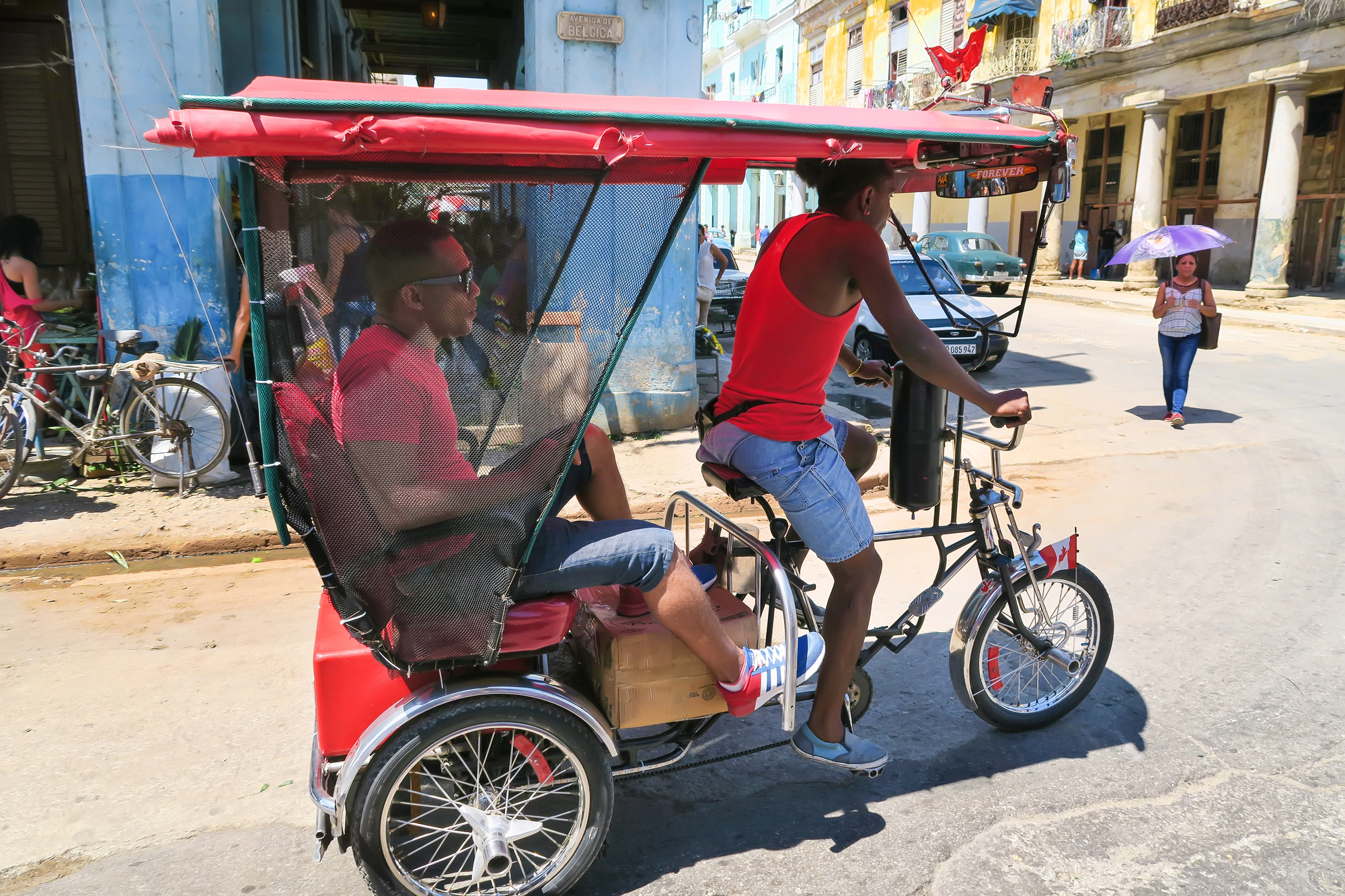
The country is in the middle of its worst fuel crisis in years. Oil tanker arrivals dropped from about eight a month to one since January, when the U.S. threatened tariffs on countries selling petroleum to Cuba. The island already produces only about 40 percent of the fuel it needs. Rolling blackouts have worsened, bus routes have been cut, and food and medicine shortages have deepened across the country. What has filled the gap, on street after street in Havana, is the electric tricycle.
A new kind of vehicle for a new kind of crisis
Most of the tricycles are Chinese-made, from brands like Zonsen and Jinpeng, and cost between $2,000 and $4,000. They typically run on gel or lithium batteries and are bought in countries like Panama before being shipped to the island by relatives or importers. Some are assembled in Cuba from parts, under an arrangement with China through the Vedca brand.
For a country where state workers earn around $10 a month, and private-sector employees make roughly $40, that price is far out of reach for most. But a secondary economy has grown up around them. Some Cubans sold their old gasoline-powered cars to buy tricycles. Others received them from relatives abroad, where they are generally cheaper. Some small-business owners invested their profits in them, expecting the vehicles to pay for themselves.
They are. The tricycles now serve fixed bus routes that have disappeared, carry produce and goods to market, and collect garbage in some Havana neighborhoods. Passengers can flag them down for rides costing about 500 Cuban pesos, less than a dollar, which is a real expense in a country where monthly wages sit between $10 and $40. But it beats walking.
“If you can pay for it, you just take it; otherwise you can’t go anywhere,” said Berta Ferrer, 52, a store clerk in central Havana who makes the trip four days a week.
The solar adaptation
What’s more interesting than the tricycles themselves is what some owners have been doing with them.
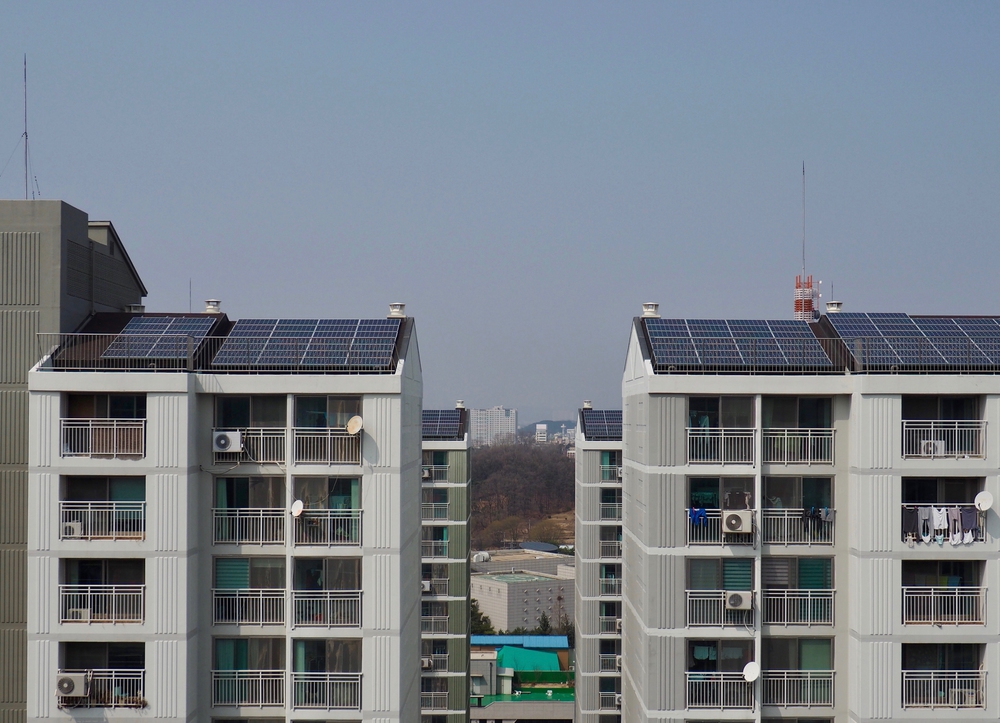
Many have installed solar panels on the awnings over the passenger seats, allowing the vehicles to recharge while parked or moving rather than waiting for grid power that may or may not arrive. The modification costs about $500, but owners say it pays off fast given how unreliable the grid is.
“There are so many tricycles in Havana that you can’t spend 10 minutes on a street without seeing countless numbers of them pass by,” said Carlos Álvarez, 29, an engineer who runs a workshop specializing in electric vehicles. He was fitting a solar panel mounting bracket onto one of them at the time.
Cuba has been doing this with everything for a long time. Get what you can, adapt it to the conditions you have, and keep it running. What once applied to 1950s Buicks and Chevrolets now applies to a Chinese electric tricycle with a panel on the roof.
Not going anywhere
For a lot of owners, these are no longer emergency measures. “I think this is here to stay,” said Ricardo Quintero, an engineer who uses his tricycle to haul produce to the vegetable stand he runs with his family.
The routes, repair shops, and solar modifications built up around these vehicles would not disappear quickly even if fuel became available again. The streets have reorganized around them.
“This is how people get around now,” said Liecer de la Cruz, 40, who owns one of the vehicles. The old-timers that were still trailing black smoke through Havana streets just a year ago have largely disappeared. What replaced them runs on sunlight and moves without smoke. It’s slower. It’s already how the city works.
Did this solution stand out? Share it with a friend or support our mission by becoming an Emissary.