BY THE OPTIMIST DAILY EDITORIAL TEAM
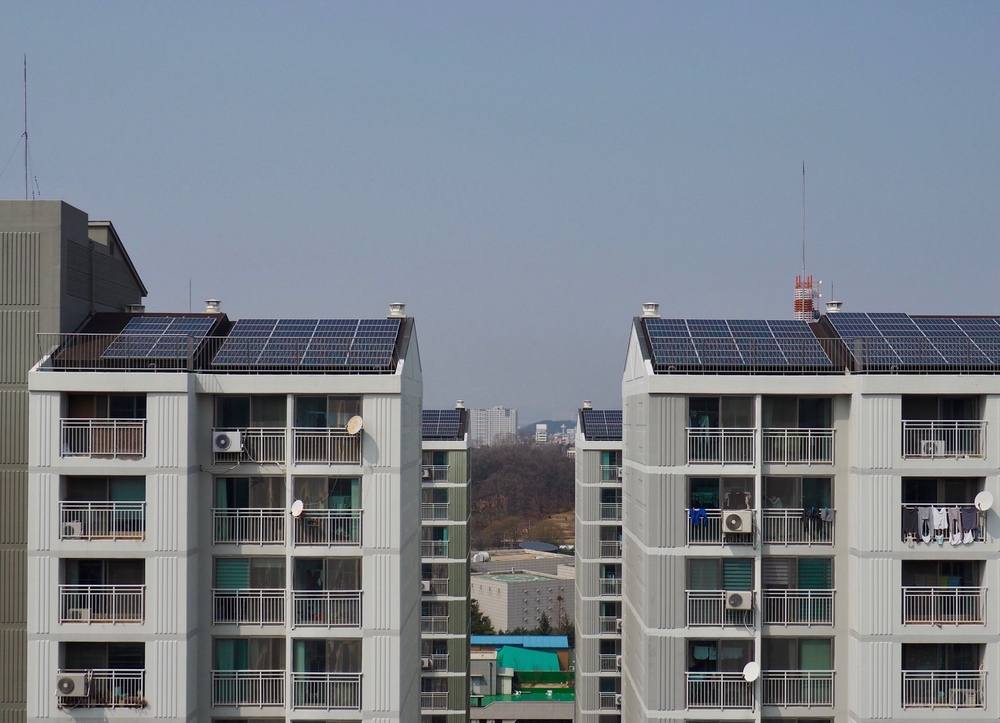
An Australian device that splits rooftop solar power across an entire apartment building just won the country’s top design honor. Melbourne-based Allume Energy took the 2026 Australian Good Design Award of the Year for its SolShare system, which its creators describe as a “traffic controller for solar.” The device also won the sustainability award at the same ceremony, held Friday at ICC Sydney, where more than 1,000 entries competed across 13 disciplines.
Why apartment solar access matters
Homeowners with their own rooftops have driven most of the residential solar boom, but apartment dwellers have largely been on the sidelines. Individual rooftop installations don’t work well in shared buildings: the costs multiply, the wiring gets messy, and you need a separate inverter for each unit. SolShare cuts through that. One rooftop system, one installation, and the device handles distribution to each apartment automatically.
Dr. Brandon Gien, chair of Good Design Australia, called it “an amazing piece of technology” and a beautifully designed solution to a complex problem. “Millions of people live in apartments, and many have had limited access to the benefits of rooftop solar,” he said. “SolShare is a clever Australian design innovation that addresses that problem in a practical way, and it is already delivering benefits at significant scale.”
One of the world’s oldest design competitions
The Australian Good Design Awards go back to 1958. Past recipients of the top prize include the Cochlear hearing implant (2000), Marc Newson’s economy class seats for the Qantas A380 (2009), the Flow Hive beehive design (2016), and filmmaker James Cameron’s Deepsea Challenger submersible (2012). SolShare now sits in that lineup.
Other sustainability winners at the 2026 awards
The night’s other awards pointed the same way. Finnish company FabPatch won the fashion and textiles discipline for a rub-on fabric repair system. No Wrap, an Australian-designed reusable pallet securing system, and Holy Carp, a plastic-free compostable alternative to the soy-sauce fish packets in sushi packaging, both won gold in their categories.
A ceremonial gathering space at Melbourne’s City Square, designed in collaboration with Wurundjeri elders to make Woi-wurrung language visible and welcome visitors to Country, won for the built environment. Sydney Children’s Hospital’s wayfinding project replaced standard clinical signage with native animals and plants grouped into three local environments: wetlands, sand dunes, and sea cliffs.
Gien said the awards are meant to recognize design that can “bring joy to our lives, but not at the expense of the environment.” A small white box on an apartment wall that gets whole buildings into the solar conversation, without requiring anyone to overhaul the roof, is a reasonable candidate for that.
Did this solution stand out? Share it with a friend or support our mission by becoming an Emissary.