BY THE OPTIMIST DAILY EDITORIAL TEAM
Ninety-seven percent of French people find telemarketing calls annoying. A 2025 parliamentary report called it “one of those rare issues that unites people in France.” The government has apparently decided that’s enough to address it directly.
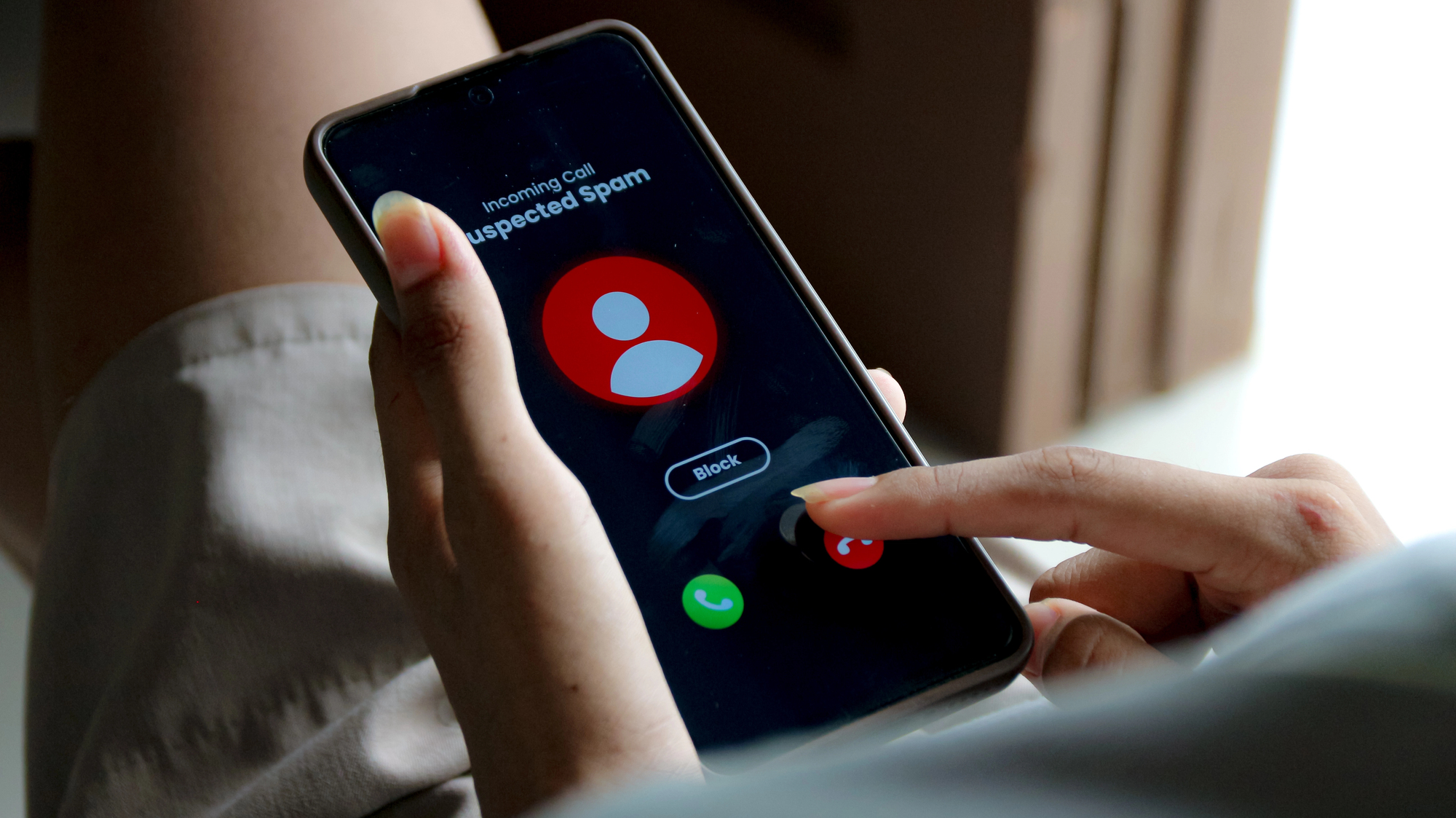
As of early August, unsolicited telemarketing calls are illegal for businesses operating in France. The only exceptions are calls tied to an existing contract or made with prior written consent. Any other cold call, regardless of industry, is now prohibited.
What the ban demands
Businesses that want to reach someone by phone now need documented consent before they call. Not implied, but written, with proof kept on file. Consumer advocacy group Que Choisir Ensemble, which has been pushing for the change, called it “a small revolution” for the sales industry.
The group’s president, Marie-Amandine Stévenin, has long pushed back against what she sees as the automatic assumption that anyone at home is a potential customer. “It cannot be stressed enough that peace and quiet is a right, and it is time to stop exposing consumers to unwanted solicitations,” the group said. Seventy-two percent of French people reported unsolicited calls on their mobiles at least once a week. Thirty-eight percent said daily.
Who’s unhappy about it
France’s direct-selling trade association was not impressed. Its head, Frédéric Billon, called the new requirements an administrative burden. “You’ll have to obtain written consent from your customer, and you’ll also have to keep proof of that consent,” he said, which, from a consumer’s perspective, is a huge plus.
The louder reaction came from Morocco, where the call center industry depends heavily on the French market. A government minister estimated the restrictions could cost up to 50,000 jobs, according to Moroccan newspaper Le Matin.
How France compares
Germany, Austria, and Italy already have significant restrictions on cold calling. France goes further: businesses have to secure permission before calling, not just accept it when someone opts out.
The UK takes a different view entirely. Most telemarketing calls there are still legal, as long as the recipient hasn’t explicitly objected and their number isn’t on a do-not-call list. France requires an invitation. The UK is just asking callers to take no for an answer.
Did this solution stand out? Share it with a friend or support our mission by becoming an Emissary.