BY THE OPTIMIST DAILY EDITORIAL TEAM
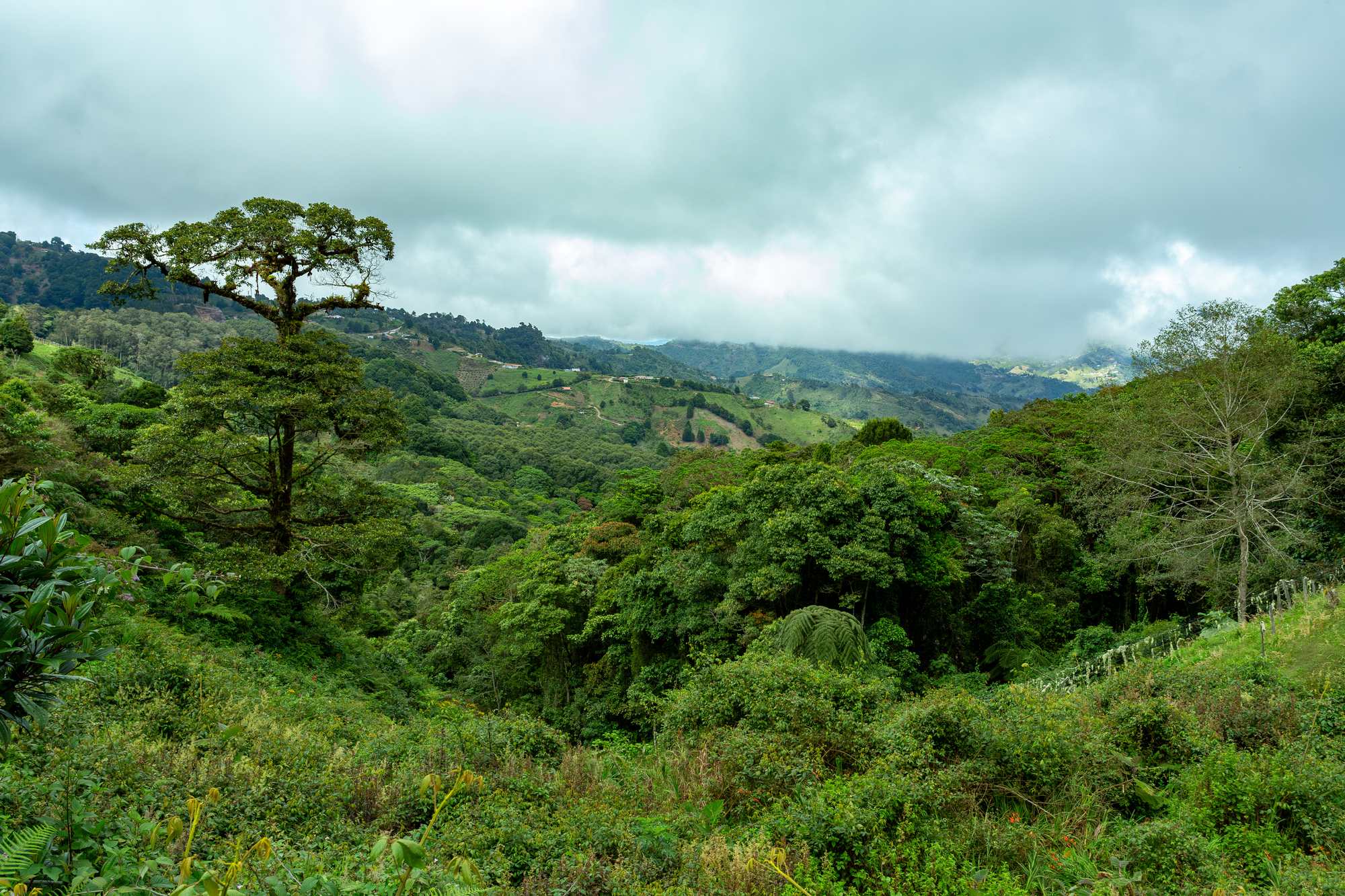
Cleared tropical rainforests can recover 90 percent of their species diversity within a single human generation, according to new research from Ecuador’s Chocó region, one of the most biodiverse stretches of Pacific coast forest on the continent.
The study, published in Nature, pooled data from more than 30 research groups tracking over 10,000 species across 62 sites, from working farms to forests that had been regrowing for years. The lead author, Timo Metz, noted that while rainforest resilience has been modeled theoretically for decades, evidence at this scale hadn’t existed before: “Rainforests, as complex ecosystems and species-rich communities, demonstrate remarkable resilience and the ability to return to their original state. This stability has often been modeled theoretically, but until now could not be demonstrated on the basis of such extensive empirical data.”
What the numbers show
Without any active replanting or restoration effort, 75 percent of species composition and 90 percent of species diversity return within roughly 30 years. “Our findings that 75% of species composition and 90% of species diversity return under their own steam within a single human generation show just how effectively we can protect nature,” said co-author Martin Schaefer.
The 30-year figure hides a lot of variation. Birds and bats recolonize early, able to move in as vegetation begins to thicken. Soil bacteria, specialized insects, and large-canopy trees are a different story, lagging by decades in some cases.
Animals are driving recovery, not just benefiting from it
The more interesting finding is the mechanism. Fauna doesn’t just follow vegetation recovery. It drives it.
“Bats, monkeys and other mammals, as well as birds, bring tree seeds back to the cleared areas; dung beetles bury the seeds in the soil; and hundreds of other animal species ensure pollination,” said co-author Nico Blüthgen. Because mobile species arrive early and create conditions for the next wave, the process compounds in a way that explains why some sites recovered faster than theoretical models expected.
Without that animal layer, forests are left to seed themselves from adjacent edges, and that’s a much slower process.
Prior land use matters more than you’d expect
Not all cleared land starts from the same baseline. Former cocoa farms, where some trees were left standing during cultivation, tend to recover faster because the remaining structure provides immediate habitat and shade. Abandoned pasture is harder: dense grasses outcompete seedlings and slow establishment for years, sometimes longer.
For conservation purposes, this means the land isn’t interchangeable. Residual tree cover changes the math considerably.
What this doesn’t change
None of this makes old-growth forests expendable. They supply the seed sources, the animal populations, and the soil microbiomes that regenerating forests draw from. Cut off the primary forest nearby, and the recovery process slows substantially, or stalls.
Schaefer’s conclusion is practical: “By purchasing and protecting land, we can preserve the diversity of life and the foundations of our societies — soil, water, and the pollination of the plants that form the basis of our food supply.”
That’s a policy argument as much as a scientific finding. The difference now is that it has 10,000 species’ worth of field data behind it.
Source study: Nature—Biodiversity resilience in a tropical rainforest
Did this solution stand out? Share it with a friend or support our mission by becoming an Emissary.