BY THE OPTIMIST DAILY EDITORIAL TEAM
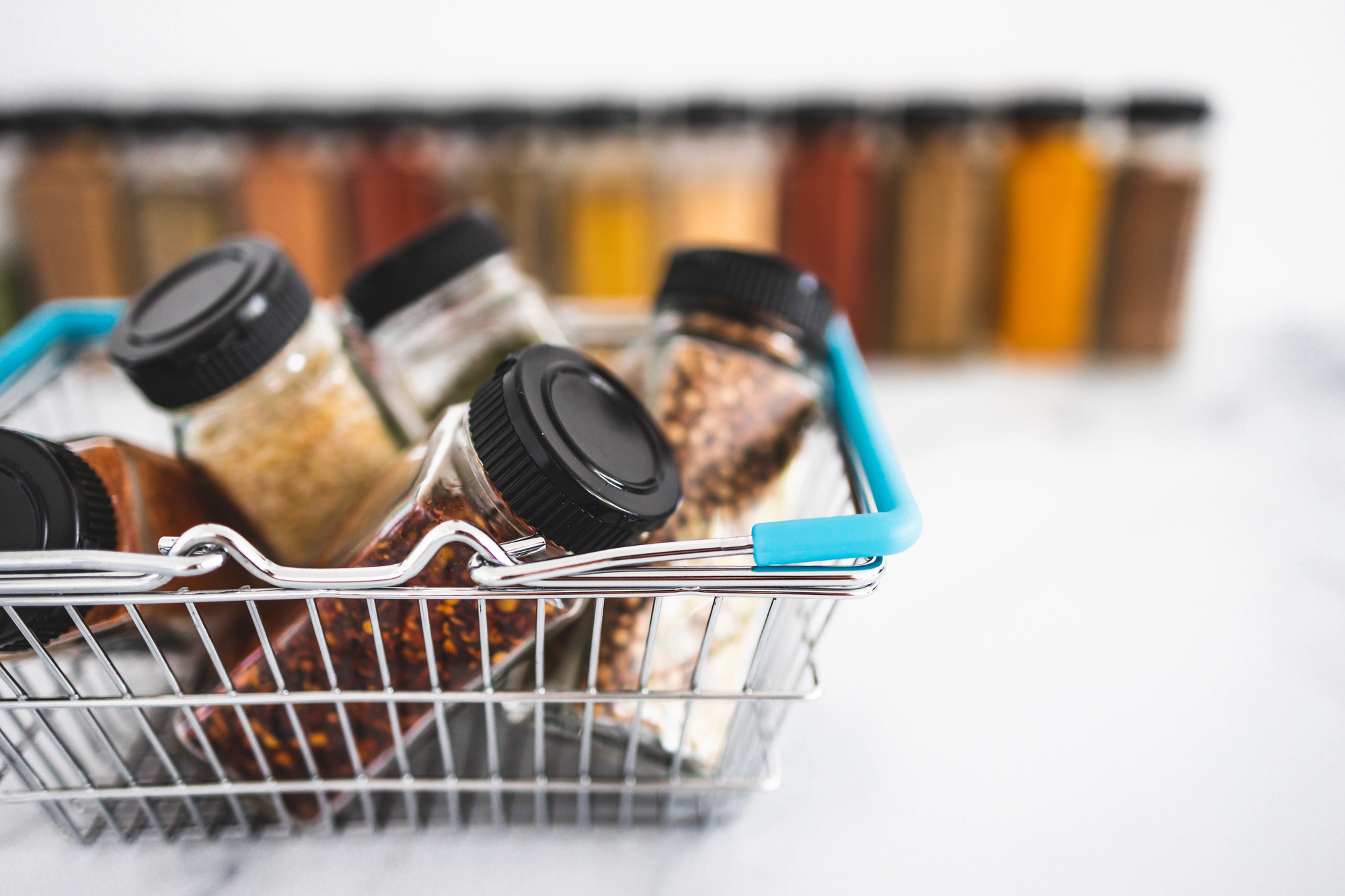
Most spice jars get rinsed and recycled. A few get left on the counter until someone throws them away. Almost none get a second life, and professional organizers say that’s worth reconsidering.
Clean them first. Professional eco-friendly organizer Marie Potter recommends washing each jar in hot, soapy water, then soaking the jar and lid in a baking soda and warm water solution for a few hours. Residual odors linger longer than you’d think, and that matters especially if you’re storing food, pet treats, or anything scent-sensitive.
Travel toiletries
Cotton swabs, hair pins, bandages, safety pins, nail clippers. Pro organizer Barb Mickets says spice jars are particularly useful for these in a toiletry bag or overnight bag, where small items tend to get crushed or end up at the bottom.
Hardware
Small hardware is exactly the kind of thing that makes a toolbox a chore. Potter suggests sorting screws, nails, wall anchors, washers, and picture hangers into labeled jars so you’re not emptying the whole box every time you need one thing.
Seeds
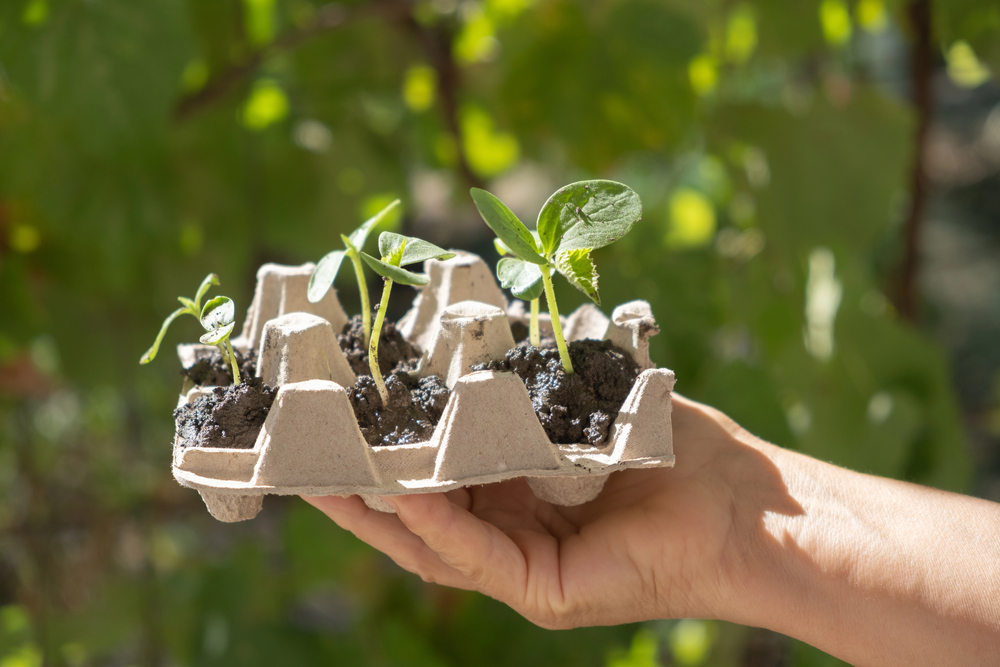
Partially used seed packets rarely reseal well. Transfer the leftovers into labeled spice jars, and they’ll stay dry and organized until planting season.
Craft supplies
Beads, glitter, sewing notions, embroidery needles. The clear glass is the practical part: you can see what’s in each jar without opening it.
Office supplies
Paper clips, binder clips, staples, thumbtacks, rubber bands, stamps, flash drives. Most desk drawers have at least one of these categories that would be better off in a jar.
On-the-go condiments
Packing a salad for work? Put the dressing in a spice jar and add it when you eat, not before. Mickets recommends this for sauces and spreads too. You’ll need something to scoop or spread with, but the jar keeps everything sealed.
Small household uses
Potter suggests toothpicks, matchsticks, and a spare house key tucked somewhere discreet. For matches specifically, she recommends gluing a small piece of strike-pad paper to the outside of the jar. The jars also work for small pet treats in other rooms, but the odor-free step is non-negotiable: garlic and onion powder, two of the most common spice residues, are toxic to cats and dogs.
Custom spice blends
Not everything needs to leave the kitchen. If you reach for the same two or three spices every time you make a particular dish, mix them into a single jar now. It’s a small thing that makes cooking slightly less annoying.
Did this solution stand out? Share it with a friend or support our mission by becoming an Emissary.