BY THE OPTIMIST DAILY EDITORIAL TEAM
On Saturday, September 22, solar and wind met 80.4 percent of demand on Australia’s national electricity market, the grid covering the eastern states, South Australia, and the Australian Capital Territory. For about 30 minutes around lunchtime, rooftop panels on homes and businesses across the country carried more than half of the total load by themselves. Large-scale solar and wind farms covered most of the rest, with hydro adding around one percent. Fossil fuels accounted for 20 percent.
Rooftop solar as a grid-scale contributor
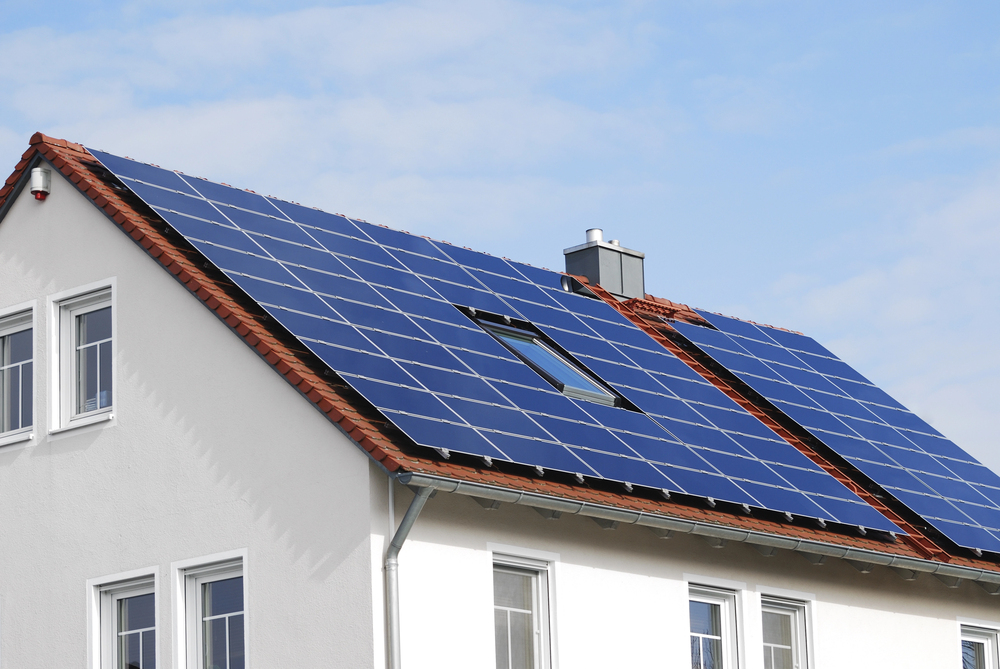
More than 4.3 million Australian households now have rooftop solar installed. Saturday’s record showed what those installations add up to in practice: enough distributed generation to carry the country through the middle of the day without needing much from the main grid at all. Energy Minister Chris Bowen called it “more clean, cheap, sovereign energy powering our homes and businesses than ever before,” and said more records should be expected as the transition continues.
Why these records will keep falling
Dr. Dylan McConnell, an energy systems researcher at the University of New South Wales, called it “record season” for renewables. The conditions helped: clear sunny days, low demand from heating and cooling, and timing that landed right as a full year of new generation capacity came online all at once. “These records are probably not going to last very long,” McConnell said. “They’re probably going to be broken in the next couple of weeks.”
Some of the surplus went into pumped hydro storage and batteries. A fair amount was curtailed: system security rules, network constraints, and the low wholesale prices that come with too much supply at once all played a role. Coal generation in Queensland hit a record low over the same weekend.
The number that matters for emissions
The record is a signal, but McConnell was direct about where real emissions progress gets measured. “From an emissions perspective, what matters is the annual contributions and how much coal we are burning.” The average renewable share for the 12 months ending in June was 44 percent, according to the Australian Energy Market Operator. The gap between 44 and 80 tells two things at once: how much a good sunny Saturday can flatter the numbers, and how much infrastructure still needs to go in the ground before those numbers look like that on a typical Tuesday. Australia’s target is 82 percent renewables by 2030, and recent analysis suggests new capacity investment needs to pick up considerably to get there.
Did this solution stand out? Share it with a friend or support our mission by becoming an Emissary.