Episode Description:
Los Angeles tried to ban oil drilling once before, in 2022, and the oil companies won in court. This time, neighbors who had spent more than a decade living beside the wells came back with new state law on their side, and LA became the first major US city to end oil extraction for good.
Arielle and Karissa also cover a record night of governor firsts, electric ferries that lift themselves out of the water, a tutoring program born in a Zimbabwe refugee camp, and a dermatologist-approved case for skipping the occasional shower.
Support TWEENS on GlobalGiving: https://www.globalgiving.org/projects/transformative-education-for-refugees-in-zimbabwe/
If you have questions, comments, feedback, suggestions, or just want to say hi, send a message to: podcast@optimistdaily.com.
Want to be part of the Optimism Movement? Become an Emissary.
Subscribe to our FREE Daily/Weekly Newsletter and follow us on Instagram, X, and Blue Sky.
The Optimist Daily is a project of the World Business Academy.
Donate link: https://www.optimistdaily.com/donate-to-support-the-optimist-daily/?lsc=41ef528d
Theme and all original music by Marvin Lanes
Transcript:
Karissa:
Hello everyone, I’m Karissa
Arielle:
I’m Arielle
Karissa:
And welcome back to The Optimist Daily’s weekly roundup
Arielle:
Yes. What an eventful time that’s been in the States. Uh, how are you feeling, Karissa?
Karissa:
Yeah. An eventful week, I would say. Yeah. Um, I am feeling pretty optimistic. I know last week’s podcast episode we didn’t talk about the midterms results, but there were a lot of great election turnouts from last week that we’ll talk a little bit about in the podcast, and I feel just very hopeful.
Arielle:
Yeah, definitely a week full of optimism, and it’s been big news also here on the other side of the pond. So we try to keep it not so politically charged with The Optimist Daily, because there’s already so much tension when it comes to politics, and we are really trying to unite people over solutions.
But that being said, a lot of our solutions do have to do with, uh, human rights and equal representation, and a lot of things that do align with, uh, the changes that could potentially be coming based on these midterms. And maybe I’ll just leave it at that.
Karissa:
Yeah, exactly. I mean, it takes all of us to make a difference, to make a change, and we’re more alike than we are different, and I think that kind of has prevailed in these US elections.
One of my friends made a great TikTok that was just talking about how if you have American nationality, you have such a great tool to be able to vote for not only our country, but we influence so many things around the world. So it was good to see a lot of people turn out for these elections, and I’m just feeling optimistic about it.
We’ll talk about that more in just a moment. But before we get to that, we want to remind you that all these solutions are available in our free daily and weekly newsletter.
Arielle:
You can also follow us on socials. We are @optimistdaily on everything except for X. There we are @OdeToOptimism, and we love it when you guys slide into our DMs or comment on our posts or share stories with friends and loved ones.
Karissa:
And of course, we want to welcome any comments, questions, or feedback on our social media channels if you want, or you can also email us at podcast@optimistdaily.com.
Arielle:
A huge thank you to anyone who participates and engages with us. Our Optimist community is what makes this work so meaningful and special, and we appreciate every single one of you.
We especially appreciate our Emissaries who financially support The Optimist Daily and help keep this mission going forward. An Emissary is anyone who donates. It could just be a one-time donation or a regular monthly or annual donation. Every little bit helps. And this year we do have a little goal. We have already mentioned this to people who receive our newsletters.
We would love to get 100 new Emissaries by the end of 2026. So we can start 2027 even stronger than we are right now. We have gotten to the halfway point, I think, Karissa. Is that correct?
Karissa:
Just about. So we really need this final push by the end of the year to get to our goal. This is definitely the time to give back in this giving season.
And we’d really appreciate if you would help us out, if you haven’t already. And speaking of the giving season, the Local Changemaker Series is currently being published right now. And we’ll talk about this week’s Changemaker later on. We wanna, again, thank everybody who submitted a nomination for that.
And it’s been such a great time giving back to The Optimist Daily community, and recognizing who makes you optimistic.
Arielle:
Can’t believe we only have two more features after this week, then it’s already Thanksgiving. Well, with all of that said and done, Karissa, did you want to lead us into this week’s solutions?
Karissa:
Yeah, I will take it from here, Arielle.
2026 midterms produced a record wave of historic governor firsts
Karissa:
The first solution we had this week, which we kinda were already talking about, is that “2026 midterms produced a record wave of historic governor firsts.” Last week, on November 3rd, election day, 10 states elected governors who were first. And the thing that makes this interesting is it crossed party lines completely.
We’re talking a Republican first Black governor in Florida, a Democrat flipping Texas. The night didn’t tell just one story, it told 10 different ones. Just for the governors, but it told a lot of stories just across the board. One that stood out to me, and one that will definitely end up in the history books, is that Keisha Lance Bottoms in Georgia became the first Black woman ever elected governor of any US state.
And in 200 years of gubernatorial elections, it had never happened. Her election was very inspirational. I believe her great-grandfather was a slave. We’ve made so much progress, so it’s still so closely… It’s not that far away, too, and we’re still—
Arielle:
Yeah, that past is not as far away as a lot of us like to think.
Karissa:
Yeah, exactly. Of course, Texas was the biggest upset of the night across the board, and that was very inspirational to see as well. Democrat Gina Hinojosa beat incumbent Greg Abbott, and it made her the first Latina governor and the first Democrat to win that race in over 30 years. It was just good to see so many different people be elected to these positions across the United States.
And it just feels like we’re shaking things up a bit, and having some more accurate representation of what our country looks like.
Dermatologists weigh in on the eat-your-skincare TikTok trend
Karissa:
Well, moving on to the next solution, we have “Dermatologists weigh in on the eat-your-skincare TikTok trend.” Before I go on, Arielle, have you heard about this trend?
Arielle:
I’ve seen little YouTube Shorts or my sisters will send me reels about, like, this special carrot salad that’s like you eating your retinol or something, ’cause I’m in my 30s now, so they’re just sending me all this stuff. But I, yeah, I wonder if it really does work. So this article definitely caught my attention.
Karissa:
If you’ve been on this eat-your-skincare side of TikTok or the internet, this is for you, but it’s also for anyone who’s been kind of skeptical about it.
It turns out that dermatologists say it’s both real and over-hyped at the same time, but the nuance is actually pretty interesting. So the core thing is that food can fill the tank, but it can’t overfill it. So it means that eating more vitamin C doesn’t make your collagen-making work faster or anything.
It just makes sure it’s not running low. And one aspect this article talked about is the eat your sunscreen angle of it all. It sounds kind of wild, but it actually has science behind it, which I did not know. Certain carotenoids and polyphenols have been studied for UV protection, but dermatologists are very clear that these are an extra layer and not a replacement for actual physical SPF.
The foods that actually show up in dermatologists’ recommendations are ones that you would probably expect. It’s salmon, avocado, walnuts, eggs, dark chocolate. So this is kind of a vindicating solution if you’re already eating that way. It’s helping you out. It’s not gonna do a million things more for your skin, but it’ll definitely help you out.
Arielle:
Yeah. Okay, that’s kind of what I thought. I think food, in terms of skincare, will support the overall system, but there’s so many products. I try not to have too complicated of a skincare routine, ’cause I know that too many products is also not ideal for your skin. So if you can combine the serums, the moisturizers, the creams that work for you with a really good nutritious diet, then I think that’s gonna help you glow from the inside and the outside.
Karissa:
100%. Took the words right out of my mouth.
Electric ferries that fly above water are arriving in the US
Karissa:
The next solution is “Electric ferries that fly above water are arriving in the US.” We’ve talked about this a little bit before on The Optimist Daily. There’s these really cool electric ferries that fly. They’re kinda like skimming across the water a bit. And so the technology is that they use underwater wings to lift the hull out of the water, and that will cut the drag by 66%, makes it a lot faster, and it’s finally what makes long range electric boats practical.
Over in Europe and Canada, I believe they’ve already been kinda using these for transportation. But San Francisco is about to spend half of a billion dollars converting their whole ferry fleet over to these electric ferries. The problem with electric boats has been that the drag has been bad, and so they haven’t been so quick.
Water resists a vessel much more than air resists a car, so batteries couldn’t hold enough charge to make it very useful. Hydrofoils solve that by just getting the boat out of the water a bit. I’m excited to see these over in the US, and San Francisco is close to me, and though I don’t really use ferries when I’m visiting the cities, maybe I’ll have to check it out the next time I’m over.
Fall activities for you and your dog: a trainer’s guide
Karissa:
Okay, well, this solution is another lifestyle one, and it’s “Fall activities for you and your dog: a trainer’s guide.” So this solution is a cute and fun one, but it’s essentially a permission slip to take your dog somewhere fun this fall, whether that’s the farmer’s market, pumpkin patches, corn mazes, hiking trails.
We have tips from a dog trainer named Sassafras Patterdale who breaks down what to bring, what to watch for, and how to make these trips actually good for the dog and not just all about the photos. Arielle, I thought about you and Tink. Have you done anything autumn-like with her?
Arielle:
She’s usually off leash, and she loves sniffing around, so we do take her out on, I guess you can call them hikes or just, like, really long walks.
I haven’t really taken her to farmer’s markets, which is one of the tips here. Tink is kind of… She doesn’t like kids.
Karissa:
So. Well, that could be a little— a little hard at the farmer’s market ’cause there usually tends to be a lot of families. And in this article, they’re kinda talking about taking your dog to the farmer’s market, aiming it at, like, younger dogs because it can be a really good training opportunity with all the people and the smells and foot traffic.
So it’s kind of like a good place for younger dogs to just get more of that exposure and more practice for calm leash behavior, helping them get used to that. So maybe Tink is a little bit past that.
Arielle:
Yeah, she’s a bit too old for that, set in her ways. But your dog is also… Is your dog a senior dog?
Karissa:
Oh, yes, he is a very senior dog now, so he’s not really out on the leash in public anymore, unfortunately.
But we used to take him to the farmer’s market, and I think we took him to some kind of, like, fall pumpkin patch thing at some point, and we definitely have a lot of good photos over the years of him with a cute pumpkin. So yeah, it’s just a good time of year to get your pup out there. One consistent thread and important reminder for all the activities that are mentioned in this article is to call ahead or research ahead to make sure dogs are allowed to be wherever you’re going if it’s somewhere, uh, out in public.
Brazil releases the world’s first fossil fuel phaseout roadmap
Karissa:
“Brazil releases the world’s first fossil fuel phaseout roadmap.” This first global roadmap is all about phasing out coal, oil, and gas. It’s a voluntary roadmap, and it has no legal teeth, and it came out during COP30 last year, which notably ended without mentioning fossil fuels in the final text at all.
The roadmap exists because Brazil decided to just do it anyways, and it’s being brought back up now that COP31 is happening as we speak. Just kind of jumping back to last year, what happened at COP30, Saudi Arabia and Russia killed the fossil fuel language, and Brazil’s response was to publish this independently and bring it into COP31 this year, which opened, uh, this week.
The plan is a three-phase plan through 2033, and it explicitly says there’s no universal solution. Countries are supposed to tailor it to their own situation, which makes it harder to dismiss, but also harder to hold anyone to.
Arielle:
I think it is encouraging that countries are creating plans, or at least Brazil is creating a plan even though it’s not legally required of them. There’s no external motivation other than the fact that they want to help our environment survive uh, and thrive. And I think that shift from asking or requesting people to commit to the change to just giving them an example of how they can actually make the change is a good kind of reframe.
Karissa:
100%.
Prince Bashangezi turned personal loss into peer tutoring for refugee students
Arielle:
The next solution is a Local Changemakers feature. It’s titled “Prince Bashangezi turned personal loss into peer tutoring for refugee students.” This Local Changemaker story is really quite moving. Prince grew up at Tongogara Refugee Camp in Zimbabwe, a camp of more than 17,000 people near the Mozambique border, home to families displaced by conflict across Central and Eastern Africa.
He lost his own family to war before ending up there, and he was 17 or 18-ish when COVID hit. While that was happening, he was trying to finish his A-Levels, and when schools closed, he and a small group of fellow students just started teaching the younger kids themselves, ’cause, of course, there was a lack of schooling during that time.
And this eventually turned into a program called TWEENS, which stands for Together We Educationally Empower Non-privileged Students. He’s now at Pomona College in California, studying computer science and economics, and the program he built in that camp is actually still running, so it’s now been, uh, over half a decade.
The Optimist who nominated Prince for the Local Changemaker series said, “Prince’s work is a reaction to his incredible loss,” and that he turned his personal tragedy into loving service for others. And that framing says everything about what TWEENS is. This peer model works in a refugee context in a way outside volunteers can’t really replicate.
These tutors live in the camp. They went through the same disruptions. They understand what it means to build a future from inside a displaced population, so their credibility comes from proximity and not credentials. TWEENS has expanded to include an A-level program, a girls’ book club, and ongoing homework support alongside the original peer tutoring.
If you’re interested in helping out, then the GlobalGiving campaign is still active, and I can put a link to where you can donate to this project, uh, in the show notes. This is a great story that Optimists can actually do something about right now, so if you feel compelled to learn more or to give, then I would highly recommend just checking out the article.
The dermatologist guide to a skin-friendly shower routine
Arielle:
The next solution is another skin solution. It’s titled “The dermatologist guide to a skin-friendly shower routine.” Three dermatologists are out here saying that showering every day might be working against your skin. They’re not saying it in, like, a soft, “Well, maybe,” kind of way. They’re actually pretty direct about it.
This piece breaks down who actually needs daily showers, who doesn’t, and what the signs are that you’ve overdone it, because that squeaky clean feeling after a hot shower, you might think, “Oh, yeah, I got everything. I’m, like, completely clean.” But that’s not necessarily a good sign. Karissa, are you a shower every day type of person?
Karissa:
I mean, I definitely am, and I do a lot of heated workouts where I’m sweating a lot, so I definitely need my daily shower, but I’m so intrigued of the argument against it. What about you, Arielle?
Arielle:
I used to be a shower every day when I was living under my mom’s, uh, watchful eye, and definitely whenever I live in a tropical place, that’s, like, multiple showers a day ’cause I’m sweating, and it’s, like, kind of grimy, and you get sand and everything everywhere. But now I have to say I don’t shower every single day. If I don’t work out that day, and I don’t really do anything strenuous, then chances are, I’m probably gonna skip the shower.
Karissa:
Yeah.
Arielle:
Okay, so this article makes a key distinction.
Hygiene and skin health are not the same thing. So daily washing serves hygiene, but when you think about it, if you’re not super active, then only your underarms, your groin, your feet, and the skin folds that, like, trap a lot of, I guess, like, perspiration and stuff, that’s what needs soap every day. The rest of your body, you can usually skip.
The signs that your skin is asking for a break are quite specific. So if your skin feels super tight after the shower or if you’re experiencing persistent nighttime itchiness or ashiness or flaking on your shins, that’s what a stripped skin barrier looks like. All the listeners out there, you guys should just check those things out and see if any of that applies to you.
There’s something about age here as well, ’cause age actually changes the whole game when it comes to showering. Babies, like, they can’t be showered all the time. Their skin is too sensitive, so twice a week is good for babies, whereas teens, on the other hand, they’re going through a lot of hormonal fluctuations.
They’re going through puberty. They need more showers, for sure. And then older adults often need less showers because the skin produces fewer surface oils over time, and you just have to kind of use your own judgment. Uh, this is not a one-size-fits-all solution. There are some key tips that I’m glazing over right now, but you can find everything in the article.
After a decade of community pressure, LA bans oil drilling for good
Arielle:
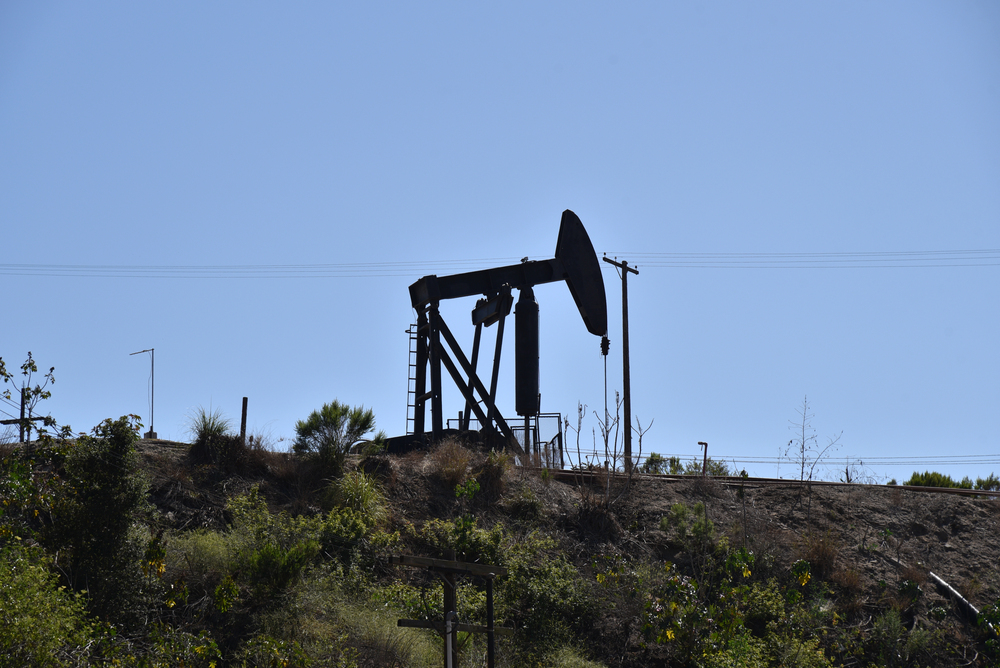
The next solution is titled “After a decade of community pressure, LA bans oil drilling for good.” Los Angeles just became the first major US city to ban oil extraction entirely, and what makes this story different from most environmental news is the decade of community advocacy that actually got it done.
This wasn’t a top-down policy decision. People who are actually living next to oil wells pushed for this for more than 10 years. The neighborhoods where these wells sit are working-class communities of color. Residents have been living with benzene and hydrogen sulfide and higher rates of respiratory illness for generations.
Wendy Miranda, one of the lead advocates, has asthma, and so does her mother. The city actually tried this back in 2022, but they just passed an ordinance. Oil companies challenged it in court, and they won. So California then passed legislation giving local governments more power, and this vote is what came out the other side.
Environmental justice has shifted from an advocacy framework to a legal one, and these days, communities have better tools than they did 10 years ago. And then I also noticed that in the article, the communities expressed that they’re not necessarily anti-oil. They’re anti-drilling next to our kids’ school.
And this framing could resonate more broadly than just the pure climate messaging, so they’re also positioning themselves in a much more strategic way. This isn’t just an environmental issue. It’s a health issue, and it’s a human rights issue.
Karissa:
I’m glad to see this pass in LA because, yeah, I don’t think anyone should have to live right next to a oil drilling well.
The next challenge is going to be removing these oil wells because I don’t think there’s, like, a great legal framework for holding oil companies accountable for either paying for that cleanup or removing them. They’ve had a couple of oil wells in the area that have just, like, sat there for years, and getting those out of the way is also the next step here.
Why spiders show up in your home every fall, and what to do about it
Arielle:
The next solution is very seasonal. It’s titled “Why spiders show up in your home every fall, and what to do about it.”
Karissa:
Oh, I need this solution. I think I have, like, two spider bites on my ankles, so.
Arielle:
Oh, you have actual bites? I just have so many spiders, like up in the corners of my… Well, basically all the rooms in my house.
So yeah, this article gets into it, and if you are like me and Karissa and you’ve been seeing more spiders lately, there’s a simple biological reason. Fall is mating season for spiders, and a lot of them are coming inside to find mates and somewhere quiet to lay their eggs. And the reassuring thing an entomologist from Oregon State said is that most of them are minding their own business.
They’re also eating your gnats and all those other insects that might be bothering you in your home. I found it unexpected that of the 3,700 spider species in the United States, only 0.3% are dangerous to humans. The ones showing up in your house are almost certainly not in that category, thankfully. The entry points are pretty mundane.
You could probably guess. Your worn garage door weather strip, cracks in your foundation, gaps around window frames are all entry points for spiders and other critters. And if your house already has like a lot of gnats or flies, then the spiders are just following the food.
Karissa:
Yeah. That makes sense.
Arielle:
The most effective seasonal fix is clearing wood piles or compost heaps and old boards from around the perimeter of your house because that’s where spiders can shelter before they come into your home.
There’s fall decluttering content everywhere right now, and this article gives it a practical reason beyond just aesthetics. But there’s also a maybe just leave them kind of framing at the end of this article, and it’s part of a broader shift towards coexisting with nature rather than trying to eliminate it.
Because the spiders are cold, they just wanna get cozy, they wanna find a mate. It’s cuffing season for them as well, I guess. I used to be super scared of spiders, but I think they’ve… I don’t know. We don’t have like really juicy-looking spiders here in the Netherlands. They’re all kind of like spindly, and they look really fragile.
Ah. I don’t know, maybe in Northern California it’s a bit of a different story.
Karissa:
Yeah. They’re pretty small. Like, obviously you won’t ever want one around. I did see a pretty juicy one though the other day on the wall, and it was a little bit scary. But usually the ones that end up in my house here are not too bad.
But yeah, I think there’s some kind of one that like bites, ’cause every once in a while I’ll just have like this giant, like welt from… That’s what I’ve heard, read. I never see the spider doing it, but yeah, my ankle currently has a bite, so it’s a little bit annoying, but it’s nothing like poisonous of course.
I guess I’ll take this advice and this solution to let them coexist.
How two Princeton graduates built the world’s first microplastics removal system
Arielle:
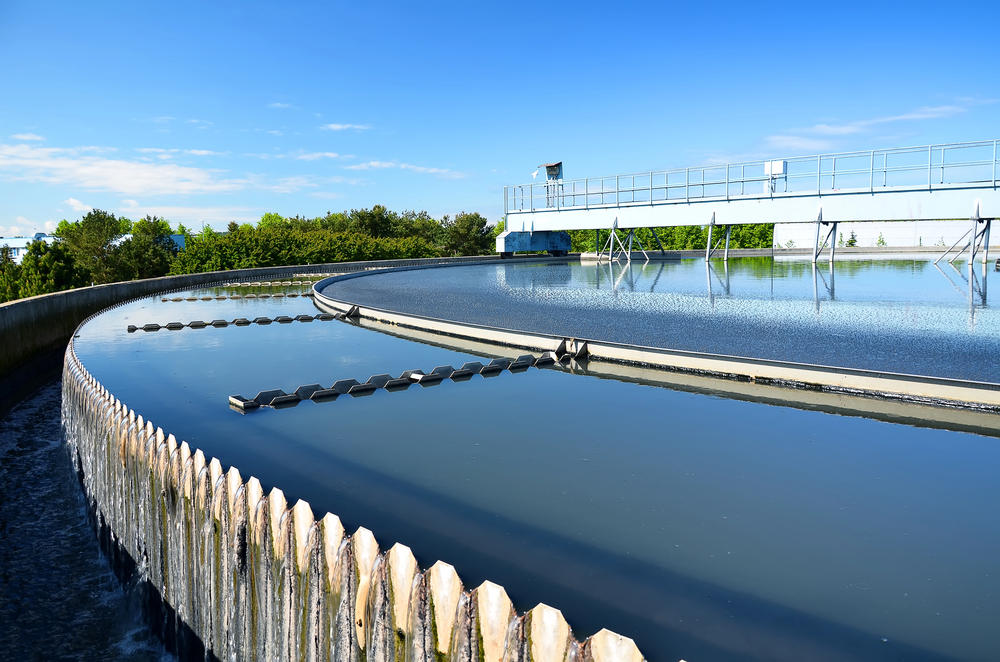
All right. The last solution that I’m going to be sharing with all you Optimists this week is titled “How two Princeton graduates built the world’s first microplastics removal system.” There is now a wastewater treatment plant in Atlantic City, New Jersey, that removes microplastics before they reach the ocean, and it’s the first one in the entire world.
The two people who built the technology are architects who basically looked at how certain wetland plants trap microplastics naturally, and then scaled it up. There’s, again, no law that’s requiring this, but they just did it anyway. The design philosophy is explicitly about simplicity. The founders wanted something like an iPhone approach to a complex problem.
Minimal material, low energy, but big results. It’s a pretty big problem, these microplastics. They’ve already turned up in human bloodstream, in brain tissue and other organs. And the Atlantic County plant manager said it pretty plainly, “We’re discharging to the ocean. If we’re not removing the plastic, we’re putting it back in.”
And yeah, it’s just like the, the Brazil, uh, phase out fossil fuels roadmap. There’s no law that’s requiring this. It’s the municipality doing it because it’s the right thing to do, not because they have to.
Karissa:
Yeah. This is so awesome, and it’s very intriguing that it’s the first in the world to do this. I know we’ve written on The Optimist Daily about a lot of solutions that can filter out microplastics and being developed, but I guess we haven’t really seen them deployed so much.
So this is a great, uh, article describing how this is actually being put into action now. And the fact that they don’t have to, they’re doing it to better their municipality is, uh, is great news.
Arielle:
All right. Well, those were all the solutions that we had to share with everyone this week. But as usual, we leave you off with a positive quote.
Karissa:
This week we have, “If they don’t give you a seat at the table, bring a folding chair.” And that’s from Shirley Chisholm. I really like this one, and I was inspired to add it just from all the great progress in the United States we saw in this past week of people getting a seat at the table. So I’m excited to see what those seats will produce.
Arielle:
Well, Karissa and I wish everyone a wonderful, restful weekend. Uh, we will be back next week with more solutions. But in the meantime, stay positive and optimistic.
Karissa:
Absolutely.
Have a great weekend, everyone. Bye!