As schools around the world close to slow the spread of coronavirus, many parents may find themselves with the daunting task of keeping their children educated and entertained at home. Today, Denise Pope, a senior lecturer at Stanford University’s Graduate School of Education, shares some of her tips for keeping kids excited about learning even when they can’t go to school.
So what will school look like now? Many schools are offering online options for students. Those who can’t will likely send students home with books and worksheets to try and keep up with the scheduled curriculum. Once you eliminate commuting, recess, and lunch, there will likely be extra time in the day. Parents should look at these extra hours not as a burden, but as an opportunity to introduce their children to new ideas and hobbies they may not have had time for before.
Assigning project-based learning tasks is a great way to keep your kids engaged and busy. Have them bake their own bread to learn about chemical reactions or design a skateboarding experiment to learn about friction. Having kids create video tutorials is a great way for them to showcase their studies and even share what they are up to with relatives and friends while still practicing social distancing.
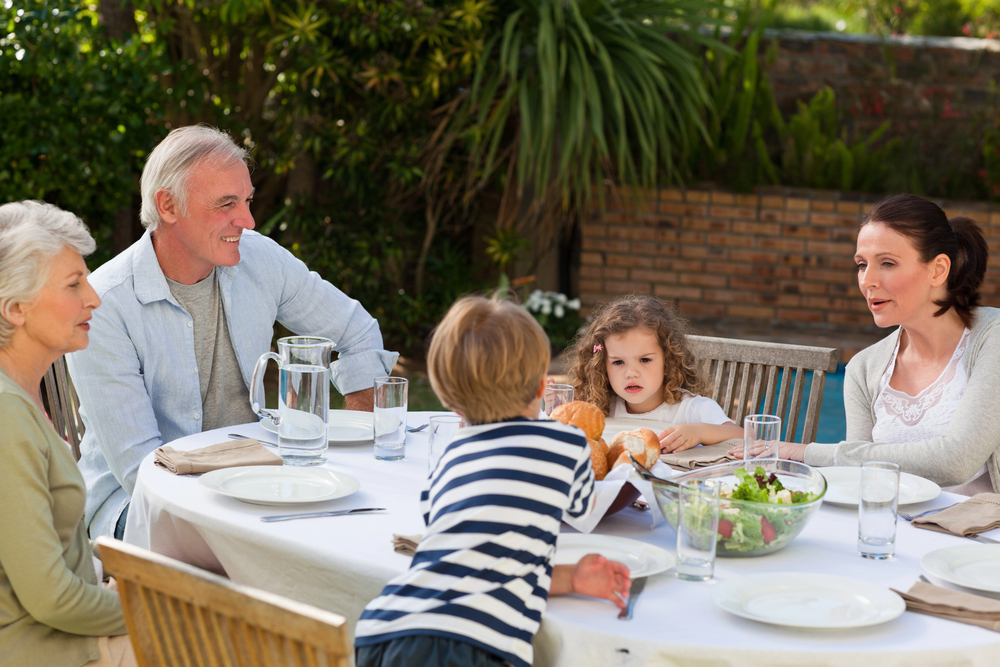
Many kids, especially teenagers, are overstretched in their daily lives. Take advantage of this time at home to rest, practice hobbies, and enjoy some quality family time. Encourage children to stay engaged with their passions and don’t get frustrated if things aren’t going as smoothly as anticipated.