The big question right now is “how do we prevent another pandemic from occurring?” As governments and medical professionals grapple with how to keep future generations healthy, the answer could be found among environmentalists.
Infectious diseases are on the rise and the Center for Disease Control and Prevention estimates that three out of every four new infectious diseases in people come from animals. Ebola, SARS, H1N1, and COVID-19 are all examples of these zoonoses or disease strains that come from animals.
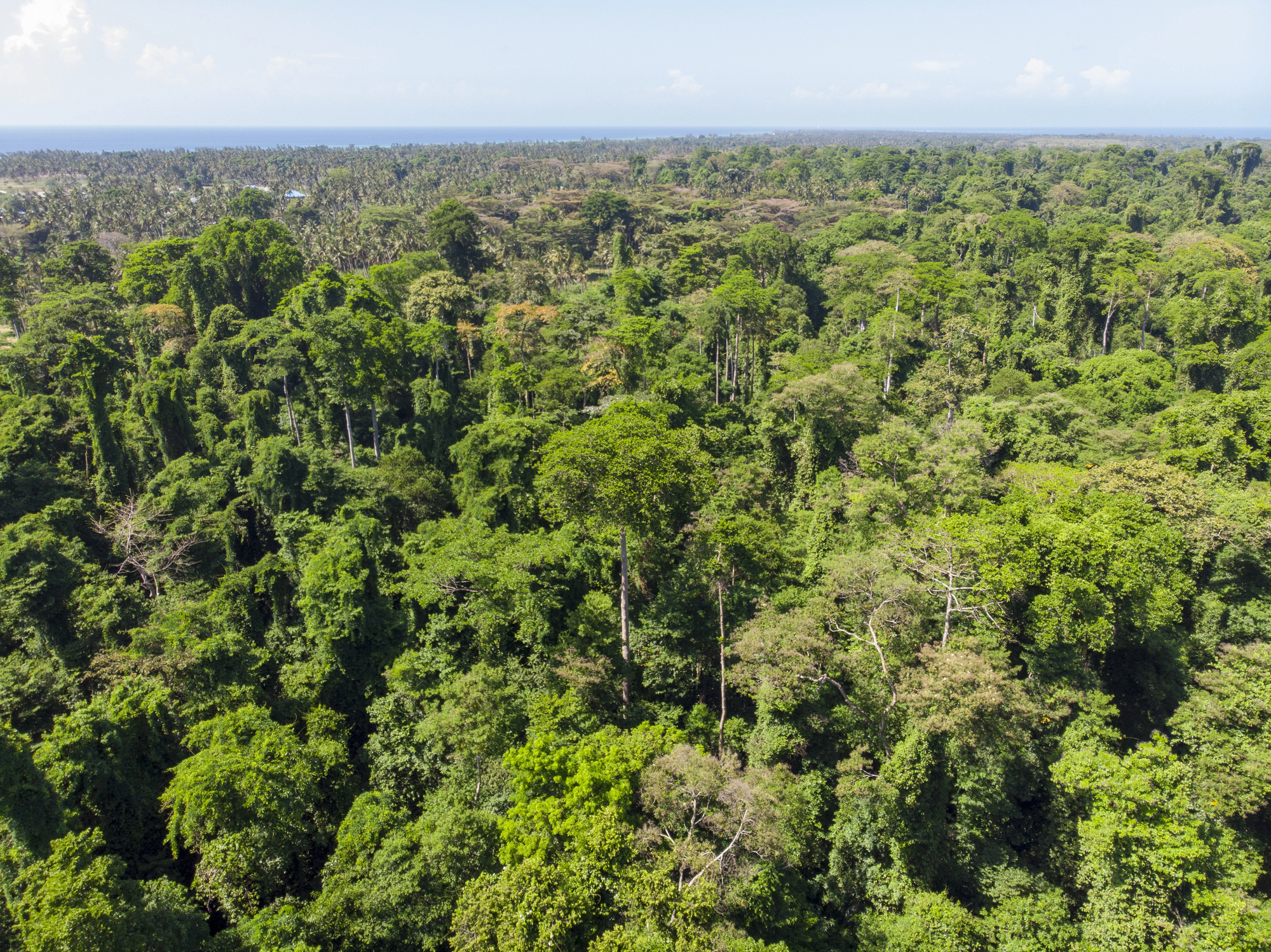
Climate change is altering animal breeding and migration patterns while habitat destruction draws animal populations into closer contact with humans. Both of these factors increase the transmission of disease from animals to people. Research has shown that between 2003 and 2015, for every 10 percent of the forest the Amazon lost, it gained 3 percent more malaria cases.
Habitat preservation, such as reforestation, as well as comprehensive climate change mitigation, could be the key to preventing another pandemic like COVID-19. Environmental action can also reduce the severity of disease symptoms. In the case of COVID-19, air pollution exacerbates symptoms, so increasing tree cover to clean the air could reduce the severity of COVID-19 and other respiratory ailments.
Climate change and infectious diseases are both serious threats facing our planet. As with many other crises, the issues are intertwined. Reforestation, habitat preservation, and emissions reductions are key for protecting ourselves and animal populations from disease and the destructive effects of climate change.