Our small daily actions all contribute to our long-term health, especially when it comes to strokes. 80 percent of strokes are preventable, so lifestyle choices that reduce blood pressure and cholesterol levels can go a long way in reducing your risk. With that in mind, here are four small things you can do to help reduce the risk of stroke.
Cut down on stress
This one is no surprise. Stress drives up our blood pressure, causes inflammation, and deteriorates vascular function. A study found that working more than 10 hours a day for 50 days out of the year increased the risk of stroke by nearly 30 percent. If you’re looking for strategies to reduce daily stress, check out our article on practicing self-care.
Snack on walnuts
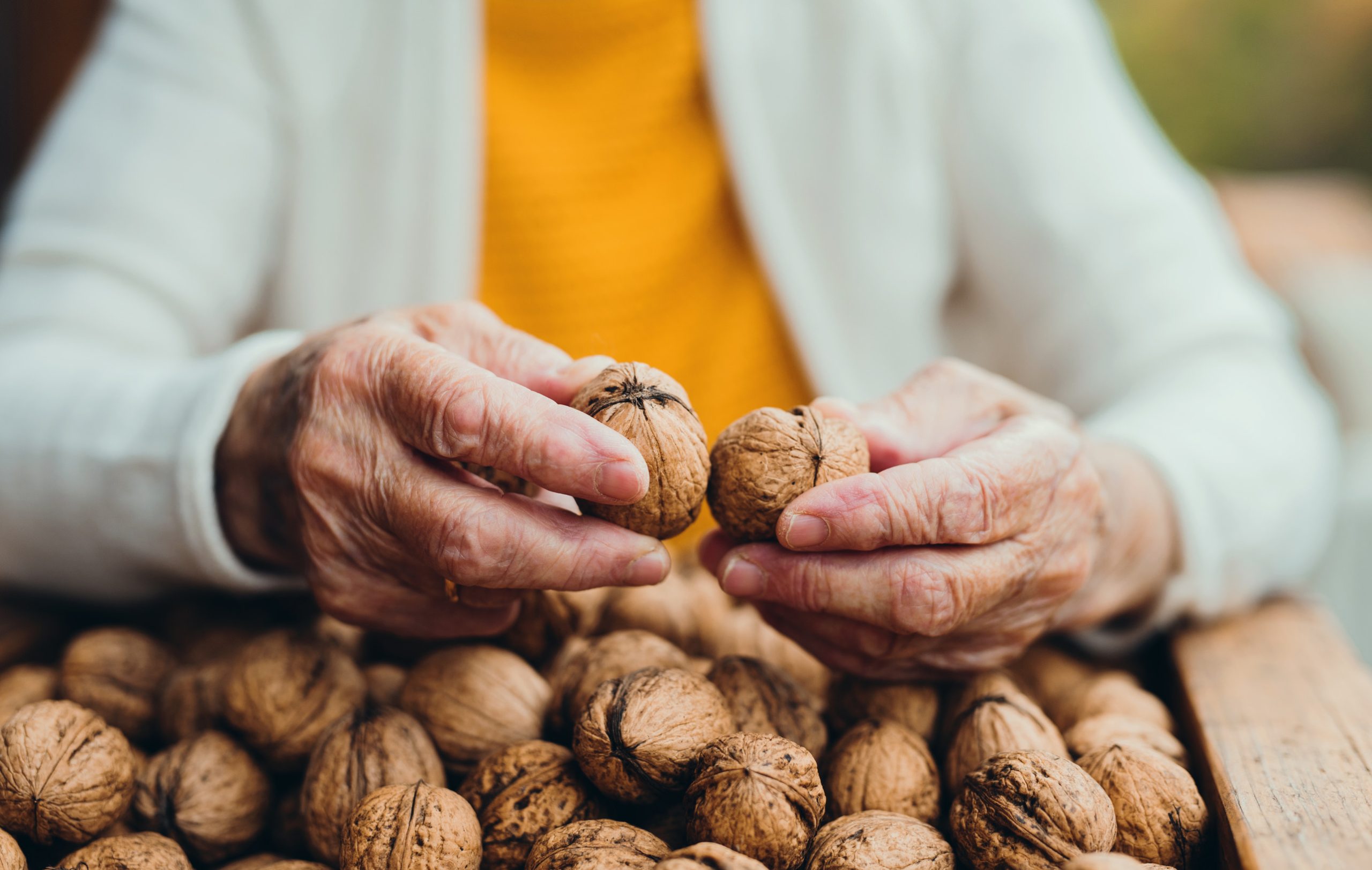
Eating a 1 oz serving of this fatty nut once a week was found to reduce the risk of stroke by 17 percent. Walnuts are a great source of heart-healthy alpha-linolenic acid (ALA), a plant-based type of omega-3, which helps prevent plaque buildup, blood clots, and vascular weakening.
Get moving
Exercise is one of the most critical components of physical health. It’s associated with a reduced risk of nearly every type of disease. One study found that those who walk at a brisk pace (over 3.5 mph) each day have a 44 percent reduced likelihood of a stroke. So what are you waiting for? Get outside and move your body!
Eat plenty of potassium
Reducing sodium is often touted as a solution for preventing strokes, but getting plenty of potassium is important too. Potassium helps balance out the water-retention effects of sodium to reduce blood pressure. Strive to cut back on sodium to 2,300 mg/day (1,500 if you have hypertension) and aim to get 4,700 mg potassium. Don’t panic if you don’t like bananas, broccoli, spinach, sweet potatoes, and oranges are also high in potassium.
Someone in the US suffers a stroke every 40 seconds, but lifestyle choices can greatly reduce the risk of this pervasive condition. Even if you’re not in a high-risk category, incorporating these easy healthy habits into your routine will benefit your vascular and overall health in the long run.