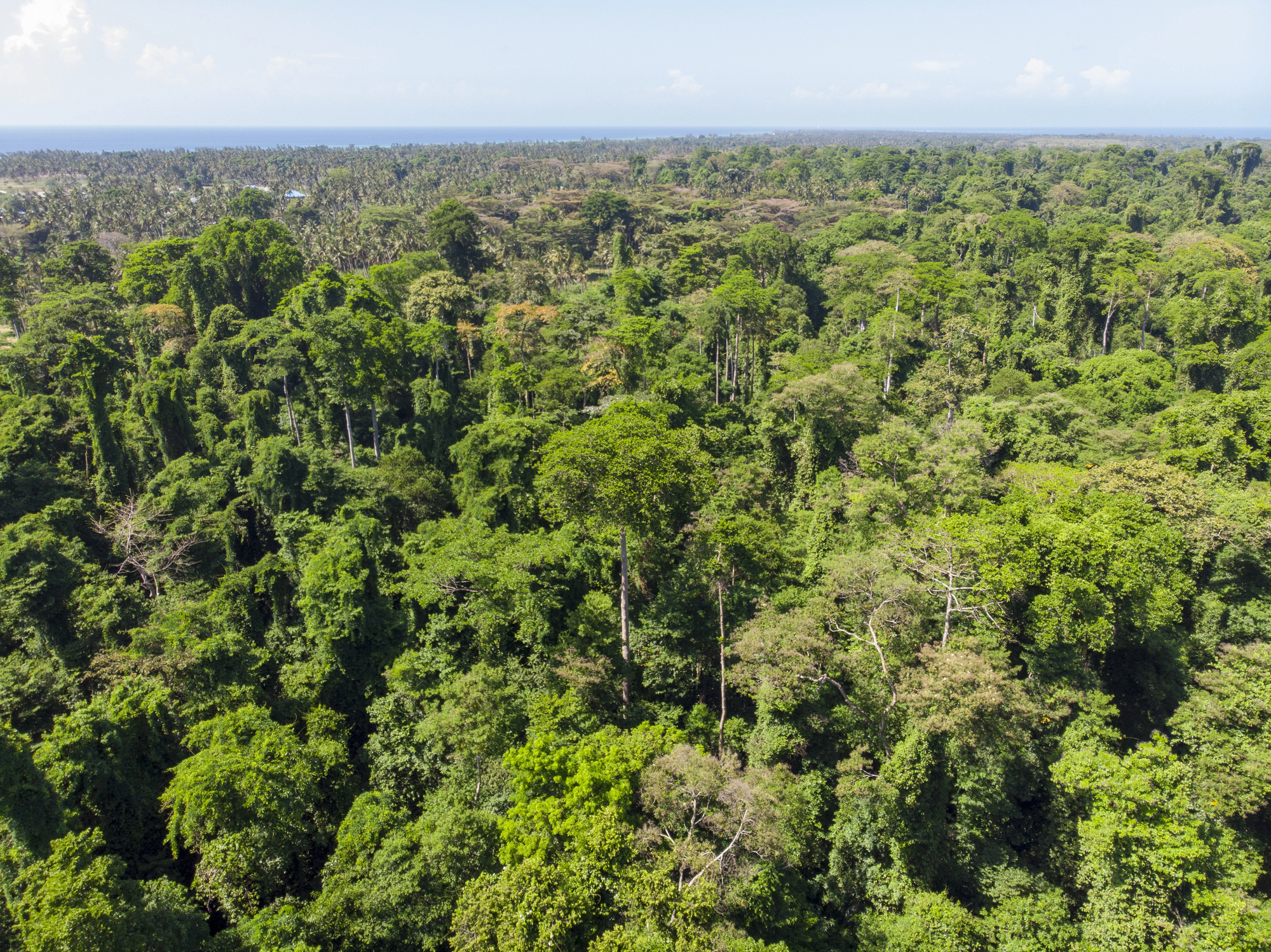
Palm oil is a common ingredient in far more packaged foods than you may think. Globally, 82 million US tons of palm oil are consumed annually. Unfortunately, it’s also responsible for some of the most destructive deforestation in rainforests around the world. The biotech industry thinks it may have found a solution to replacing this unsustainable ingredient with a synthetic alternative.
New York-based biotech lab, C16 Biosciences, has come up with a synthetic material made by using genetically-engineered microbes to convert food waste and industrial by-products. The manufacturing process is remarkably similar to fermenting beer with the oil as a byproduct of fermentation. The resulting product is chemically very similar to natural palm oil. UK’s University of Bath and California-based start-up Kiverdi are also working on their own synthetic solutions.
Although the synthetic oil has yet to be approved for commercial use, C16 Biosciences is actively testing their product and is already exploring partnerships with food wholesalers, like Germany-based Metro Group, to market the oil. The team of researchers is also highly optimistic about using the material in the near future in non-food products like dishwashing liquid.
The biggest challenge at the moment is making the synthetic product as affordable as natural palm oil.
C16 Bioscience researcher Shara Ticku told BBC, “We believe that with our technology platform, at a scale of hundreds of thousands of kilograms annually, we will be cost-competitive with palm oil. If we can get enough people to change then there is no longer any justified reason for burning forest to produce this vegetable oil, and that is a success.”