Ella Lambert, a 21-year-old student in the UK, knows what it’s like to be limited because of her period. “I’ve always struggled with period pain, like absolutely atrocious period pain which would mean that I’d have to miss out on school and cancel plans last minute,” she says.
Her experience with debilitating period pain inspired her to improve the lives of women everywhere who are also limited by their period. “I’ve never had to experience period poverty as such, [but] I do know what it’s like to have to miss out on really important things and appointments because of my period,” she explains.
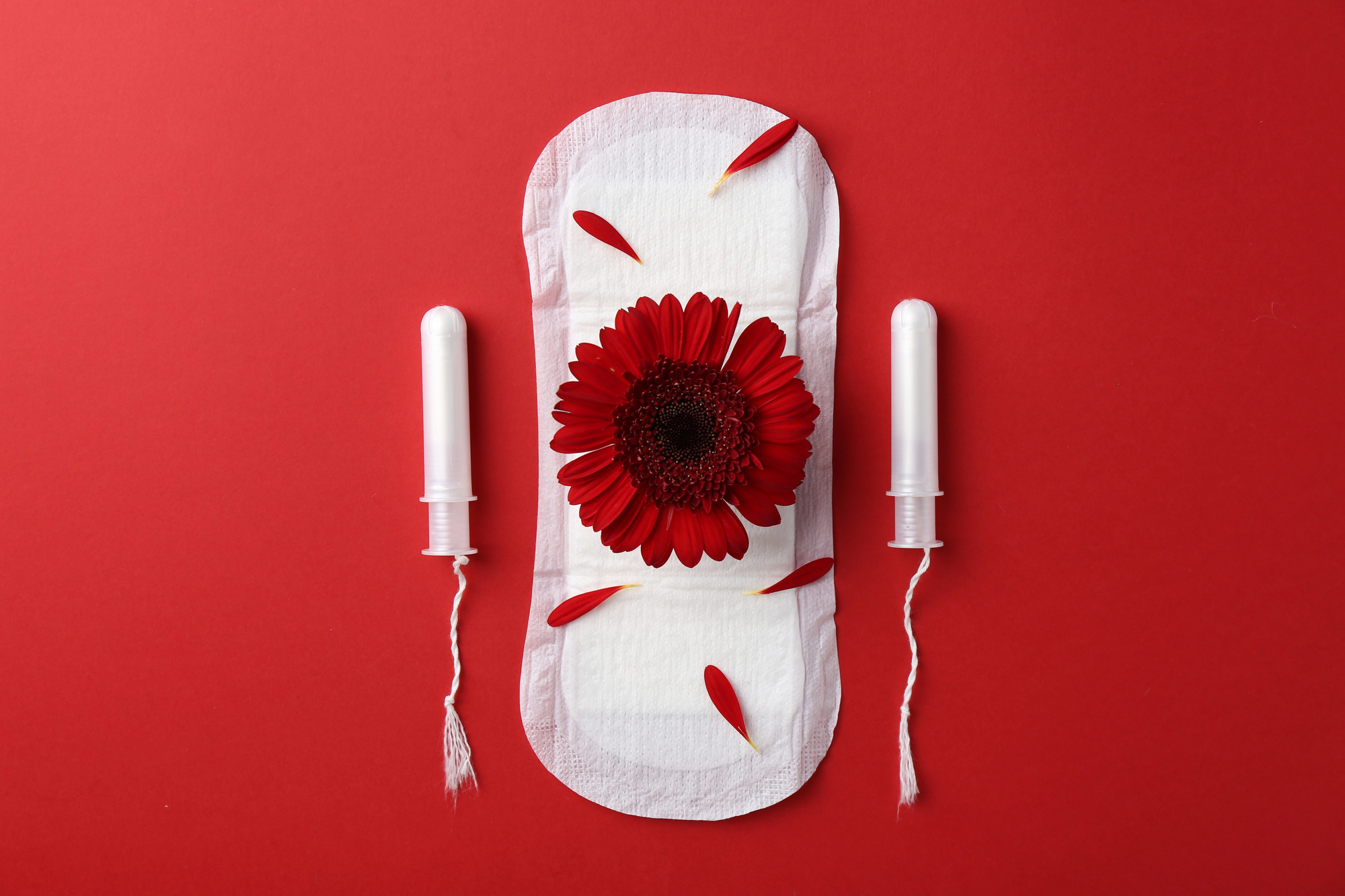
The initiative started when Lambert decided to use the 2020 lockdown as an opportunity to learn how to sew via YouTube tutorials. When the extended restrictions forced her to cancel her plans to volunteer abroad in refugee camps, she decided to put her newfound sewing skill to work by creating sustainable feminine hygiene products and sending them to refugees and marginalized communities.
“This seemed like a really easy way of combating period poverty and making sure that people didn’t have to deal with that because they had the products they needed that would last,” she says. Lambert started sewing alone, but soon enough her mother and a university friend started sewing the “Pacha Pads” with her.
Now, Lambert and over a thousand volunteers from the UK, Italy, Germany, France, and the US are sewing for her cause, which she’s decided to call The Pachamama Project, and distributing the reusable pads to refugees all over Europe and the Middle East.
Lambert also had the opportunity to visit a refugee camp in Lesbos, Greece, to help give out the reusable pads straight to the recipients. She was also there to help further another part of the project’s mission: to teach local refugee women to make their own Pacha Pads so that they can sell them for a profit to NGOs, which will then give them away for free to other refugees. This creates an opportunity for women to generate an income while still helping to reduce period poverty around the world.
“I try to remember that you may not be able to save the whole world, but you can give one person at a time the power to empower themselves,” says Lambert. If you want to learn how to get involved in The Pachamama Project, visit their website here.
June 2026 Update: The Pachamama Project is still going strong! Ella received a spot on the 2025 Young Power List from The Sunday Times. Keep up with the project on their Instagram.