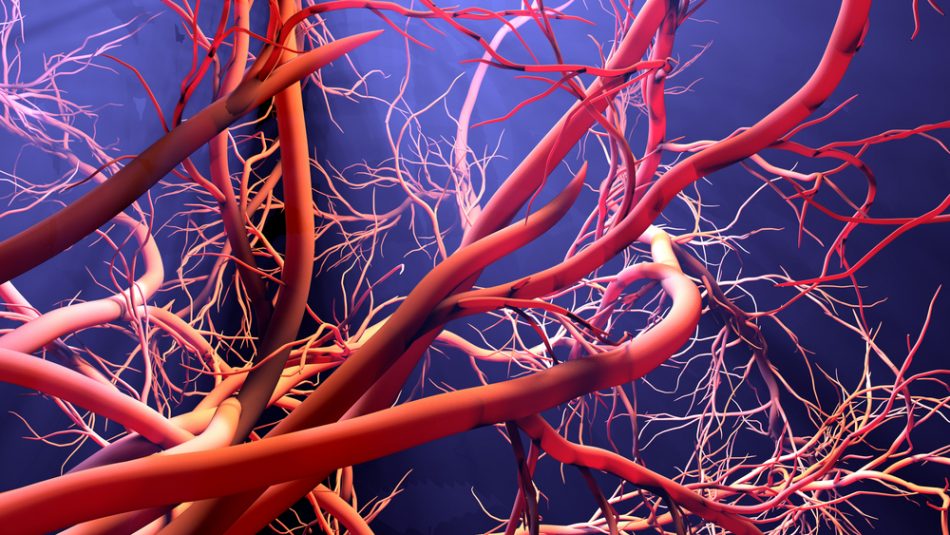
Imaging blood vessels is harder than you might think. Information about the surrounding structures and cells in the tissue have to be imaged multiple times, at multiple angles, and in multiple conditions. This layered process leaves scientists having to piece together separate images and information to end up with a single result.
“This can be an expensive and time-consuming process that risks destroying the tissue’s architecture, precluding our ability to use the combined information in novel ways,” said Arvind Pathak on this subject, who is a professor of radiology, biomedical and electrical engineering at the Johns Hopkins University School of Medicine.
A new generation of blood vessel imaging
Enter “VascuViz”, a new technique developed by Pathak’s team which allows researchers to capture blood vessel images at different spatial scales like never before, increasing the accuracy and precision of imaging techniques. This biotechnology, details published in Nature Methods, allows for computerized models to be constructed and integrated in a way like never before when considering these structures.
VascuViz works by filling up blood vessels with a quick-setting polymer mixture, making them visible to a number of different imaging techniques, including magnetic resonance imaging (MRI), computerized tomography (CT), and microscopy. Integrating data from different methods has never been achievable until now due to the complexity and uniqueness of each blood vessel preparation method.
Why is this invention important?
As we all learnt pretty young, the blood flowing around our bodies is what keeps us alive. The information scientists will gain from this technique will enhance our understanding of blood flow and the diseases that come from abnormalities in the process, such as cancers and strokes. Eventually, this information can be used to provide people with better treatment for these diseases.
Source study: Nature Methods – VascuViz: a multimodality and multiscale imaging and visualization pipeline for vascular systems biology