Surrounded by rugged steep mountains penetrated by hot dry Santa Ana winds, the Ojai Valley is particularly susceptible to wildfire, being in the top one percent of regions in the U.S. and the top three percent in California. The region’s limited evacuation routes, vulnerable grid dependency, and communication “dead-zones” compound the situation. Particular care and creative problem-solving are needed to preserve the area’s natural ecosystems and protect all life in the valley.
Enter The Ojai Valley Fire Safe Council (OVFSC), an organization that runs extensive vegetation management projects to deal with the pressing issue of wildfires. We spoke to Chris Danch, executive director of OVFSC, to get some further insight into the group’s work.
“The OVFSC was started in 2001 to make the Ojai Valley safer from wildfire through education and action,” Danch explains. The wide variety of projects the organization has facilitated include “wildfire education to schools, residents, ranchers, farmers, landscapers, and other landowners, defensible space enhancements and assistance, other vegetation management/fuel reduction projects, home hardening assessments, and community events.”
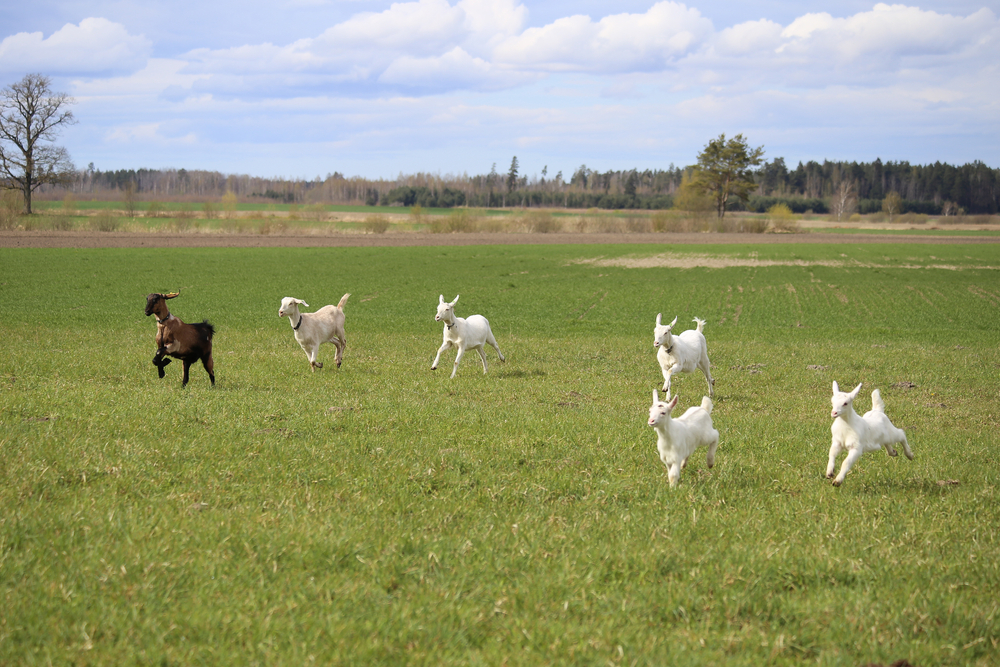
One climate resilient strategy they use to fire-adapt a landscape is animals – such as goats and sheep. This livestock grazes and clear vegetation that might’ve become wildfire fuel. This also aids soil regeneration. Oak Grove School has been one of many collaborators who welcomed the animals onto their campus as a fire mitigation strategy. You can watch a video of the process here.
Danch’s personal experience with the Thomas Fire made him realize that the community was the key to tackling this issue. “I personally experienced the Thomas Fire and saw the need for increased community capacity and resiliency,” he said. The OVFSC does just this, taking a community-centered approach, using comprehensive, holistic, community-based, and community-driven initiatives to prevent catastrophic fires.
“I believe that a truly fire-adapted community living in a fire-dependent ecosystem is overall a more resiliency, sustainable and self-sufficient community. In addition to the need for greater community capacity for wildfire, I saw that such a response could be used to leverage the development of greater community resiliency overall,” Danch adds.
With the increasingly hot future of our planet, wildfires are inevitable and, in some cases, can actually be necessary. Danch explains that collaboration between both public and private sectors, plus, a redirection of our thinking is essential to effective wildfire management.
“We need to move away from greater suppression efforts and focus our resources on helping communities to become fire adapted. In the State of California, less than five percent of the billion-dollar-plus budget for wildfire protection goes to communities. This has to change as preparing from the ‘house out’ is the most effective means to reduce the loss of life and property from wildfire,” he said.
Half of the organization’s funds come from donations, so if you’d like to help the Ojai Valley efforts please consider donating here.