BY THE OPTIMIST DAILY EDITORIAL TEAM
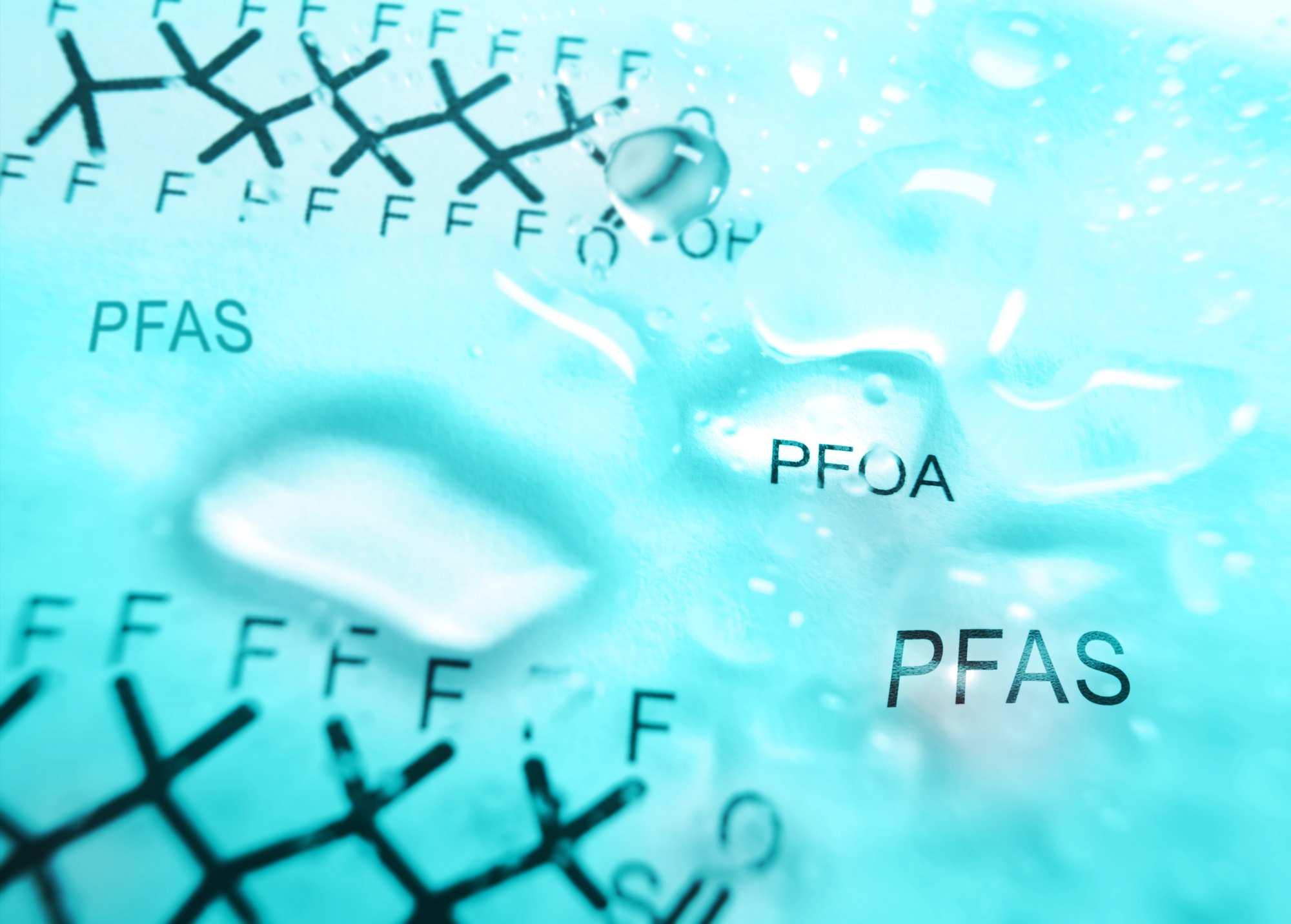
Sweden announced on July 23 that it will ban per- and polyfluoroalkyl substances from consumer products by January 1, 2028. The list covers clothing, shoes, waterproofing agents, kitchenware, cosmetics, and ski wax. “This is a major victory for human health and for the Swedish environment,” said Minister for Climate and the Environment Romina Pourmokhtari.
France moved first, banning PFAS products in 2026 wherever safer alternatives exist. Denmark banned them on food contact paper and board in 2020, then extended that to clothing, footwear, and waterproofing agents in 2026. Sweden is the third EU member state to act. The European Commission has not yet put forward its own proposal.
What Sweden’s ban will cover in 2028
The restrictions apply only where PFAS-free alternatives are already available, which takes one of the industry’s standard objections off the table: that switching away from these chemicals isn’t yet technically feasible. Products covered include clothing, shoes, waterproofing agents, kitchenware, cosmetics, and ski wax.
“Sweden does not intend to wait while forever chemicals continue to spread in our homes, in nature and in our bodies,” Pourmokhtari said.
“Sweden’s proposal proves that governments don’t have to accept toxic chemistry as the price of modern life,” said Sian Sutherland, co-founder of A Plastic Planet. “Safer alternatives already exist, and Sweden has shown that governments can and should choose to back them.”
Why PFAS became impossible to keep ignoring
PFAS are a group of more than 10,000 synthetic chemicals used since the 1940s, found in products from nonstick cookware to firefighting foam. They degrade over thousands of years. They have turned up at the summit of Mount Everest and in human blood samples from every region of the world.
That’s the contamination picture. The health evidence is what has been forcing action. Chronic PFAS exposure has been linked to certain cancers, reduced fertility, and immune system disruption, with the greatest documented risk falling on pregnant women and children in the first 1,000 days of life, when effects can persist into the next generation.
“PFAS don’t stay locked inside products. They escape into our homes, our food and water and our bodies,” said Sutherland.
Where the EU stands on PFAS restrictions
The European Commission is expected to present legislative proposals in 2027. A scientific opinion published in March recommended broad restrictions on forever chemicals in consumer products. The European Chemicals Agency is due to add a second opinion on the socio-economic impact of those measures before the end of this year.
After a proposal is put forward, full EU-wide implementation takes several more years. The expected regulations would restrict PFAS in consumer products including clothing and food packaging, with exceptions carved out for medical devices and other strategic sectors.
EU-wide drinking water protections against PFAS took effect in January 2026, though they drew criticism for addressing contamination at the tap rather than stopping it upstream. Roughly 12.5 million people in Europe currently live in communities with PFAS-contaminated drinking water.
“The solutions are here. What has been missing is the political will,” Sutherland said. France, Denmark, and Sweden have stopped waiting for Brussels to reach the same conclusion.
Did this solution stand out? Share it with a friend or support our mission by becoming an Emissary.