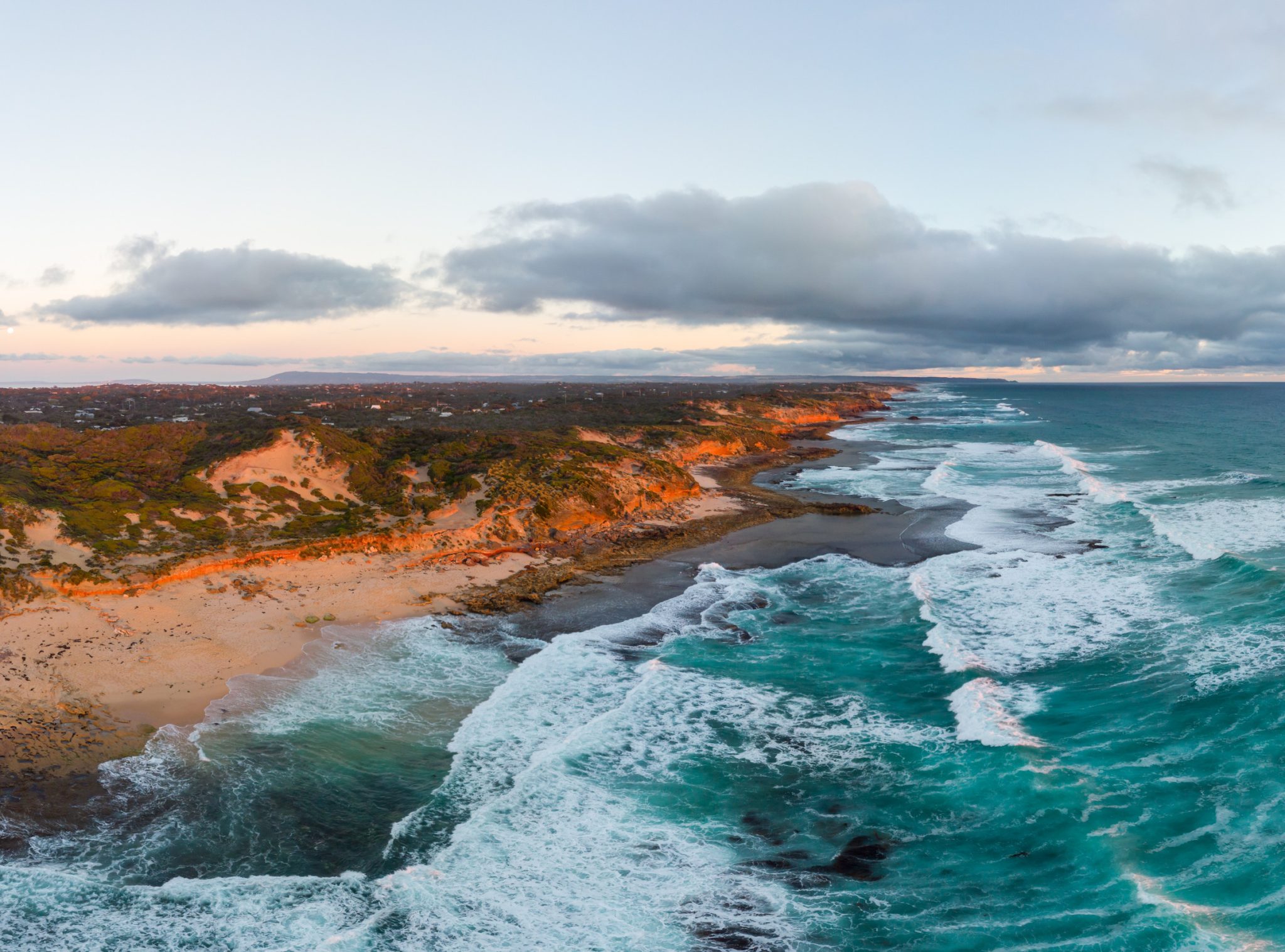
When it comes to reporting about plastic waste on beaches, the news is rarely good. But one report paints a more positive picture of the state of the issue in Australia. According to the study, plastic litter on Australian beaches has actually decreased by 30 percent in recent years.
The research was conducted by a team from Australia’s Commonwealth Scientific and Industrial Research Organization (CSIRO). It involved 563 on-the-ground inspections and multiple interviews with waste managers in 32 municipalities. The team also conducted a similar study almost 10 years before.
Overall, the findings showed that since the last CSIRO report, the amount of plastic waste on Australian beaches decreased by almost a third. According to scientists, three main factors are responsible for the reduction.
How did they do it?
The researchers believe that government plans to make waste reduction more economically feasible played the biggest role in reducing plastic waste. Such plans include curbside pickup waste and recycling collection, as well as plastic bag bans.
The success could also be attested to improved surveillance against illegal waste dumping, as well as finding and penalizing those responsible for such activities. Additionally, more frequent plastic cleanups organized by local authorities may have also contributed.
Also, what’s important to note is that municipalities that had not updated their waste management policies, and which had reduced their coastal waste management budget, experienced significantly more plastic litter on their beaches than other surveyed municipalities.
“Whilst plastic pollution is still a global crisis and we still have a long way to go, this research shows that decisions made on the ground, at local management levels, are crucial for the successful reduction of coastal plastic pollution,” said study lead Dr. Kathryn Willis.
Want more inspiration on Conservation? Read these next: