


Sherri McKinney, the Red Cross’ national spokesman, has firsthand experience with the unpredictability of natural disasters. McKinney, who escaped the tornadoes in Nashville in 2020, underlines that “emergencies are more common than people may think, and disasters happen anywhere and at any time.”
Preparation is critical in addressing the challenges provided by disasters. McKinney emphasizes that “being prepared for any type of emergency or disaster can make the difference between life and death.” FEMA’s Ready Campaign Director, Lea Crager, says that a prepared community reduces the burden on first responders because resources are limited.
The essential go-bag
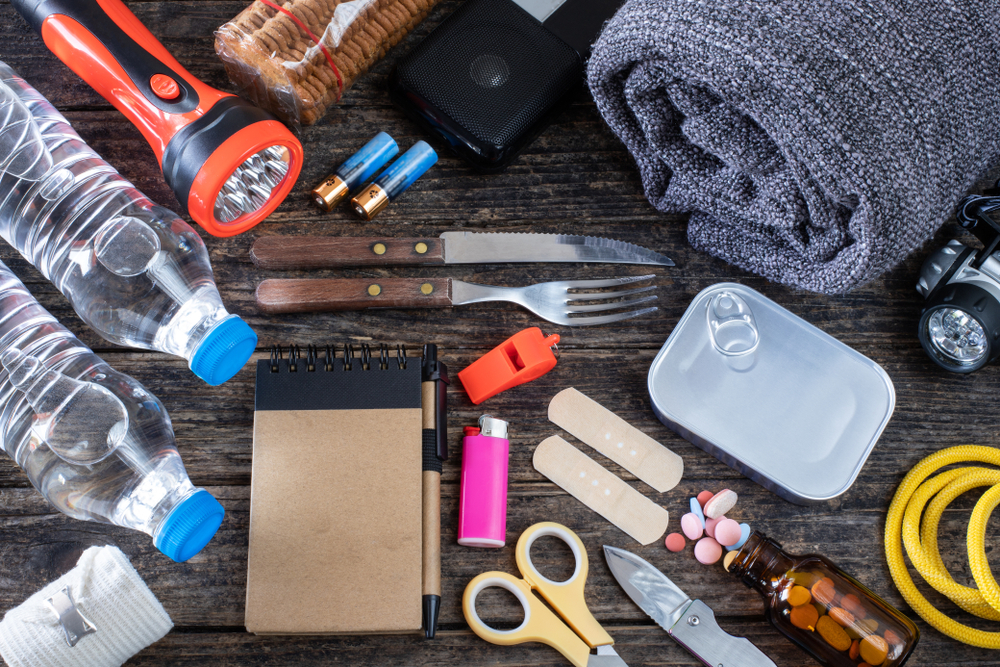
The development of a well-stocked go-bag is a vital part of disaster preparedness. McKinney makes wise suggestions, asking people to pack essentials such as a three-day supply of water, shelf-stable food, and first aid supplies. She highlights the importance of responding quickly to potential accidents, saying that “having that emergency kit with product in it that you can treat a quick burn or a quick cut is critically important sometimes.”
Adapt to your needs
The contents of your go-bag should be tailored to your specific situation and location. FEMA recognizes this variability, stating that “everybody’s needs are different.” Crager suggests personalizing your emergency kit to your family’s needs and taking into account things like medication, pets, and children. Water, nonperishable food, a first aid kit, medications, personal documents, family contact information, and other items are recommended for your go-bag, according to the Red Cross.
Create a comprehensive emergency plan
While putting together your go-bag is an important step, McKinney highlights the importance of pairing it with a comprehensive emergency plan. It is critical to communicate with your family, especially your children. Crager emphasizes this point: “Tell them someone they can reach if they can’t reach you, where they should go, and where they can meet up with you again.” These discussions can help to avoid confusion and ensure that everyone understands their duties and responsibilities in the event of a disaster.
Preserve crucial documents
McKinney cautions against ignoring the necessity of keeping important papers. FEMA advises keeping backup copies of important documents online. If you prefer a ready-made alternative, the American Red Cross sells pre-packaged emergency kits that make compassionate and life-saving gifts for a variety of occasions.
Disasters serve as somber reminders that planning is essential for protecting ourselves and our loved ones. By putting together an emergency pack tailored to your family’s requirements and creating a detailed plan, you empower your family to face unforeseen problems with confidence and resilience. “It’s really important that we think of that kind of gift as a gift of life,” McKinney wisely says, “to make sure that we’re protecting our loved ones.”





