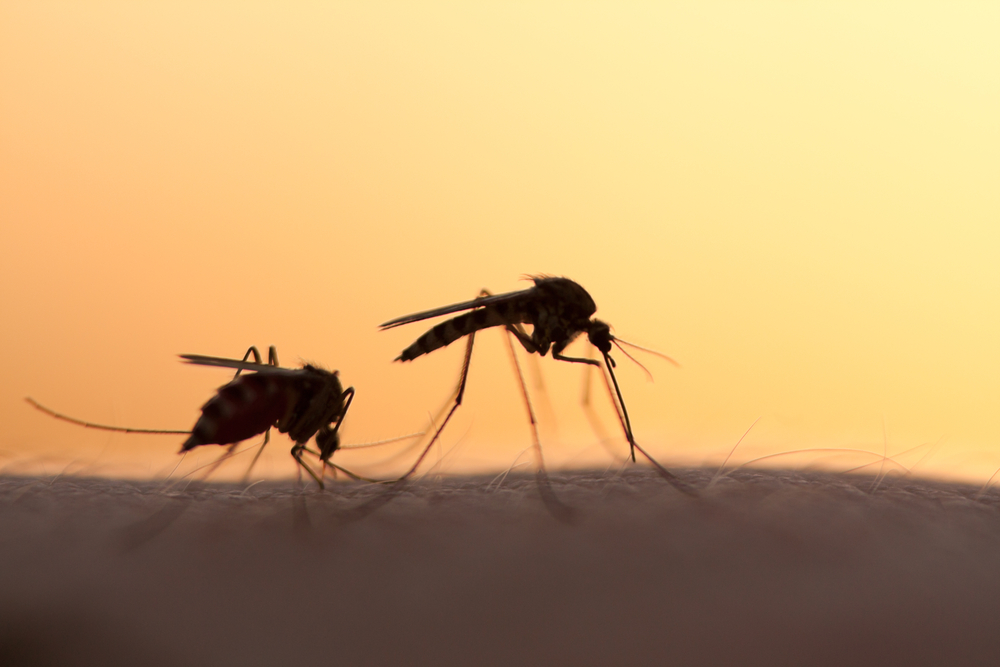
As Brazil deals with a steady increase in dengue fever incidence, novel strategies to control the spread of this viral disease are emerging. With climate change and mutating virus subtypes worsening the situation, health officials are employing novel strategies to curb the stream of infections. One such method is the introduction of Wolbachia-infected mosquitos, which represents a promising avenue in the fight against dengue.
The approach: Wolbachia-infected mosquitos
The Wolbachia technique, named for a type of bacteria found in approximately 60 percent of insects but is not naturally present in Aedes aegypti, uses microorganisms to inhibit disease transmission, and has gained popularity as a preventative measure against dengue. Ethel Maciel, Secretary for Health Surveillance at Brazil’s health ministry, emphasizes the significance of adopting modern technologies as dengue patterns change, adding, “Our strategies are old and heavily focused on vector control.” A researcher at Fiocruz who is in charge of the NGO World Mosquito Program (WMP) in Brazil, Luciano Moreira, says, “We have a list of more than 50 municipalities that have got in touch requesting [‘wolbitos’].” This highlights the potential of Wolbachia intervention.
Scaling up the Wolbachia intervention
After showing promise in five Brazilian cities, the Wolbachia approach is set to expand to six more municipalities, covering approximately 1.7 million people. Moreira emphasizes the method’s scalability and effectiveness: “Our projections show that within 10 years, we will be able to protect around 70 million Brazilians across various cities.”
BTS: mosquito breeding and monitoring
The Wolbachia program revolves around the systematic raising and monitoring of Wolbachia-infected mosquitoes. With a look back, the project’s supervisor Cátia Cabral says, “We started off in a tiny room… And now we have these big rearing cages which can hold 32,000 mosquitoes.” When asked about the project’s importance, Cabral said, “Our biggest bottleneck right now is the production of mosquitoes.”
Niterói’s success story with Wolbachia
Niterói, a city in Brazil, exemplifies the effectiveness of Wolbachia intervention. The city’s mayor, Axel Grael, owes the success to the Wolbachia method, citing significant reductions in dengue infections despite nearby regions experiencing major epidemics. he says, “There is no doubt that the application of the Wolbachia strategy has been decisive for our results.” Moreira emphasizes the importance of Wolbachia deployment, noting that a 2021 study linked the deployment of Wolbachia-infected mosquitoes in Niterói with a 69 percent decrease in dengue.
Future outlook: increasing production and impact
With demand for Wolbachia-infected mosquitos on the rise, strategies are being developed to increase production. Moreira emphasized the revolutionary potential of this effort, adding, “Our projections show that within 10 years, we will be able to protect around 70 million Brazilians across various cities.” A new mosquito-breeding center set to open in 2025 seeks to increase output tenfold, assuring a consistent supply of insects for intervention programs.
Hope for dengue control
Despite the problems created by dengue outbreaks, Brazil’s use of Wolbachia-infected mosquitos provides a ray of optimism. Communities may lessen the burden of this severe disease by developing innovative solutions and taking preventive actions. Brazil is breaking new ground in dengue control, and the prospect of a healthier, more resilient future looms.