


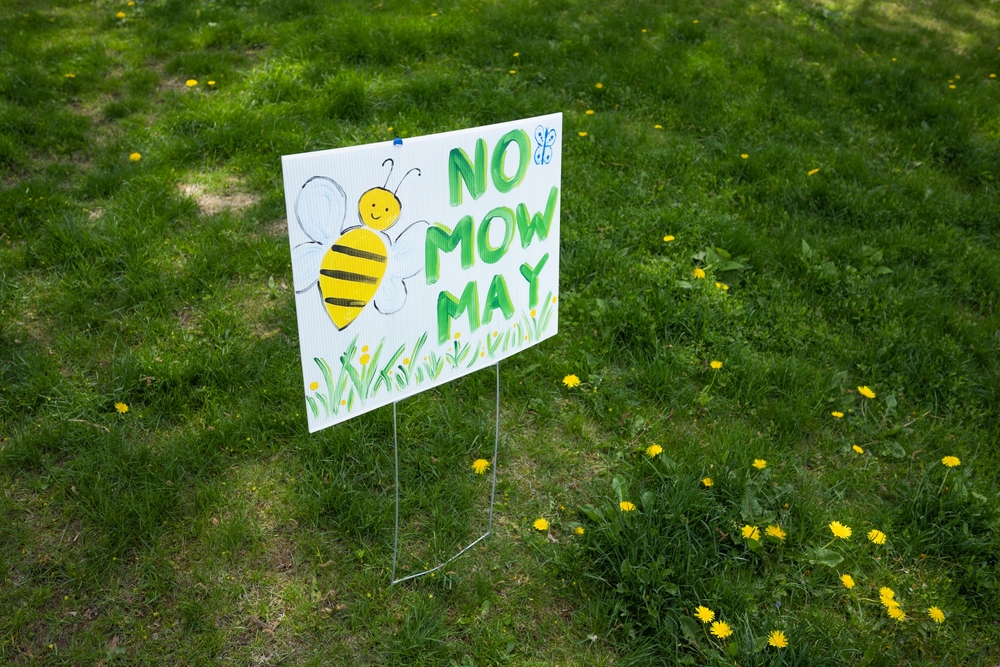
A recent scientific study published in the journal Science of the Total Environment demonstrates that a small change in lawn maintenance habits can have a significant impact on butterfly populations, providing hope for conservation efforts and helpful information for gardeners who want to help local wildlife. Yes, that’s right folks, #NoMowMay begins tomorrow and this year we have even more research that points to the benefits of long lawns.
Dr. Richard Fox, head of science at Butterfly Conservation and a co-author of the study highlights the findings’ significance: “This study proves, for the first time, that allowing a patch of grass to grow long will attract more butterflies into your garden.” Let’s dig deeper into the ramifications of this research and look at practical strategies to construct butterfly-friendly habitats in your yard.
The science of wild lawns and butterflies
After analyzing six years of butterfly observations in 600 British gardens, researchers identified a striking correlation: gardens with tall grass had much more butterflies than those with routinely kept lawns. Dr. Fox emphasizes the importance of this phenomenon: “Long grass in gardens attracts more butterfly species whose caterpillars feed on grasses.” This suggests that rewilded lawns provide an important breeding habitat for butterflies, which contributes to their population expansion.
Ivy: the secret weapon of urban butterfly gardens
One of the study’s primary conclusions is that flowering ivy has a favorable impact on butterfly abundance. The presence of flowering ivy boosted the numbers of the holly blue butterfly, whose caterpillars live off of ivy and holly. It also boosted the numbers of the red admiral and comma, as both species benefit from its flowers which provide an abundant source of nectar in the fall. Gardeners can supply important supplies for butterflies throughout the year by adding ivy into urban landscapes, maintaining their lifecycle, and increasing overall biodiversity.
Practical tips for creating butterfly-friendly spaces
Gardeners who want to help butterfly populations can use wildlife-friendly grass care strategies. Dr. Fox encourages gardeners to go above and beyond #NoMowMay. “If you take part in #NoMowMay our message is, don’t just mow your grass in June,” he says. However, for the best results, long grass has to be kept until late September or October. This method resembles natural meadow management approaches, allowing butterfly species to complete their lifecycles unhindered.
By doing less, gardeners may build thriving homes for butterflies and other pollinators by extending lawn maintenance timeframes and prioritizing biodiversity.
The study’s findings give persuasive evidence that simple modifications in gardening practices can have a large impact on butterfly populations. Individuals can contribute significantly to biodiversity conservation and ecological support by adopting wilder lawns and adding native plant species into urban environments.






