


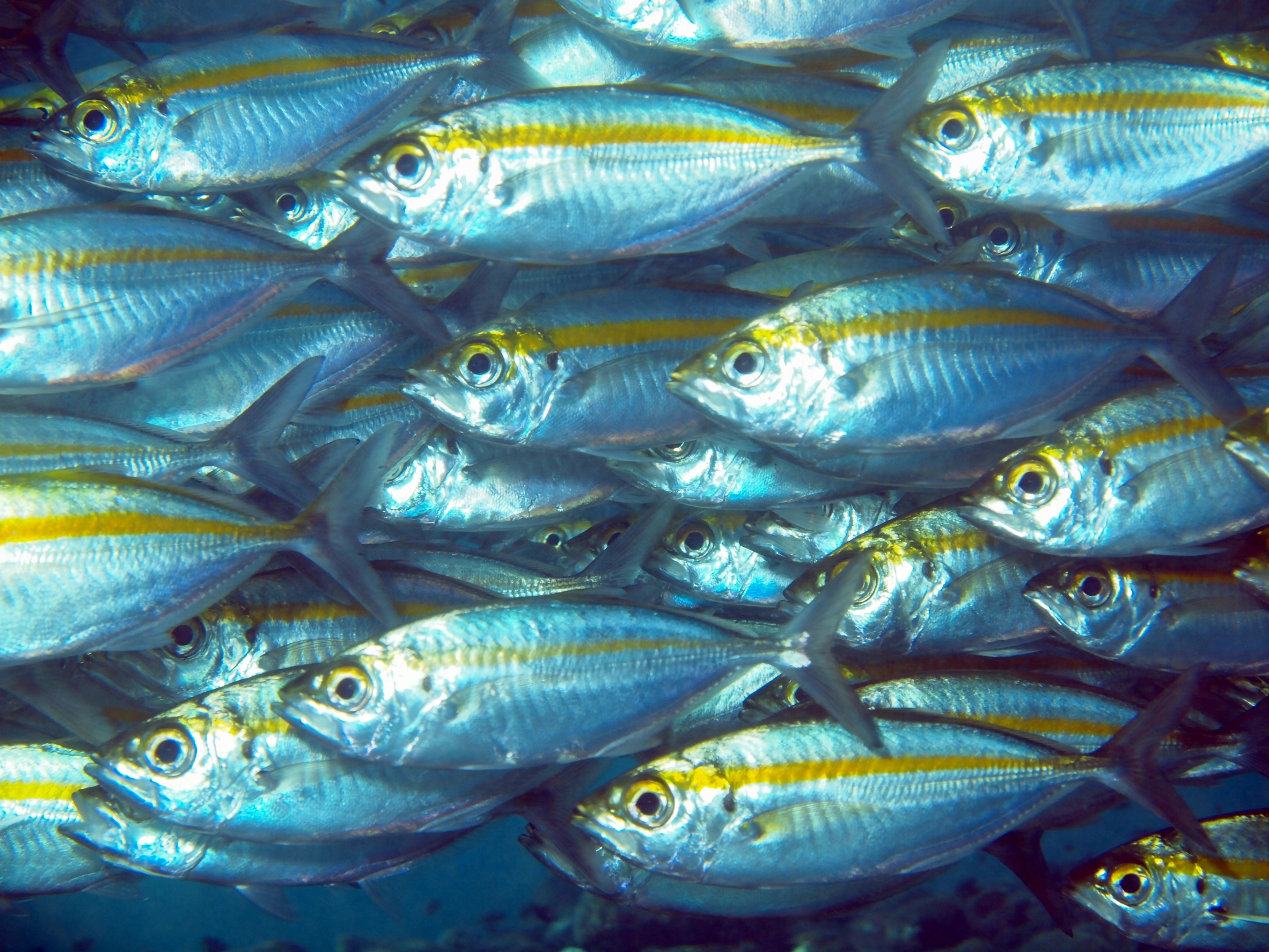
The most recent statistics from the National Oceanic and Atmospheric Administration (NOAA) provide promising news for marine conservationists and seafood fans alike: the number of fish species on the US government’s overfishing list has reached a new low, indicating the health of American fisheries.
Assessing the status of American fisheries
The analysis, published as part of NOAA’s annual ‘Status of the Stocks‘ report, provides a detailed review of fish populations critical to the sustainability of fisheries. According to the research, an amazing 94 percent of fish stocks are now considered free of overfishing, representing a slight improvement over previous years.
NOAA Administrator Rick Spinrad emphasized the importance of this milestone, saying, “By ending overfishing and rebuilding stocks, we are strengthening the value of US fisheries to the economy, our communities, and marine ecosystems.”
Success stories: mackerel and snapper bounce back
The report’s key features include the effective recovery of numerous significant fish stocks, including Atlantic mackerel stocks in the Gulf of Maine and Cape Hatteras, as well as cubera snapper stocks in the Gulf of Mexico. These achievements demonstrate the efficacy of conservation initiatives and reasonable fishing methods in protecting sensitive species.
Developments in fishery management
The removal of species off the overfishing list shows continued advancements in fisheries management and sustainable harvesting methods. NOAA’s ongoing efforts to combat illegal, unreported, and unregulated fishing are consistent with global activities focused on protecting marine biodiversity.
Maintaining momentum
While we celebrate the progress made in fisheries conservation, it is critical to continue monitoring and safeguarding fragile stocks. NOAA’s dedication to data-driven evaluations ensures that management methods are adaptable to changing environmental and economic conditions.
Looking forward: challenges and opportunities
Despite the good trends, problems persist, particularly in tackling overfishing and reducing the effects of climate change on marine ecosystems. NOAA’s collaborative strategy, which involves stakeholders from industry, academia, and conservation organizations, is critical for negotiating these complicated difficulties.
Sustainable seafood: shared responsibility
As consumers, adopting informed choices that support sustainable seafood practices can help to ensure the long-term health of our oceans. Individuals who prioritize properly sourced seafood can help to promote sustainable fisheries and preserve marine biodiversity.






