


BY THE OPTIMIST DAILY EDITORIAL TEAM
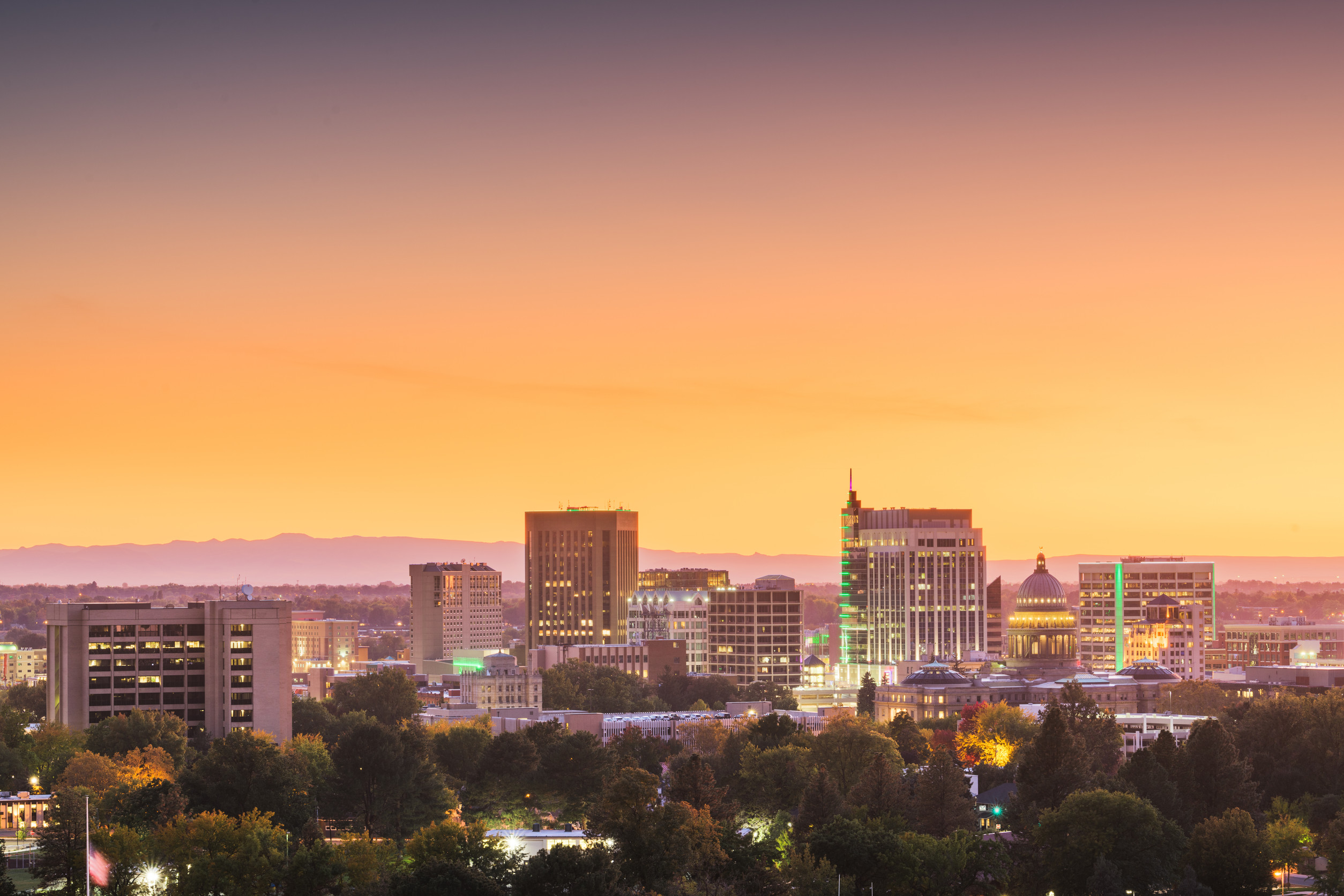
In Boise, Idaho, being in hot water is a good thing — especially when it comes to how the city keeps warm. Home to hundreds of natural hot springs, Boise has tapped into the geothermal potential beneath its feet, creating the largest municipally operated geothermal heating system in the United States.
Today, nearly 500 buildings — including City Hall, university facilities, hospital campuses, and even the Idaho Statehouse — are heated using naturally hot water drawn from underground aquifers. That makes Idaho’s Capitol the only one in the country to run on geothermal energy. The system also warms some sidewalks in winter to melt snow and contributes heat to local hot tubs.
How it works
Thanks to local fault lines, Boise’s groundwater is heated by hot rocks deep underground, reaching temperatures of around 170 degrees Fahrenheit (77 degrees Celsius). Wells in the nearby foothills bring the heated water into a closed-loop system: the water flows through pipes into buildings, transfers its heat, and is then returned to the aquifer to be reheated naturally.
“We pump the water up, we borrow the heat for buildings, and then we put it right back in the aquifer again,” explained Tina Riley, Boise’s geothermal development coordinator. In each building, the heat is transferred from the geothermal system to a separate, enclosed pipe network that distributes warmth throughout the space.
This sustainable process has grown steadily over the past 40 years, with city officials reporting a more than sixfold increase in the number of buildings served. In 2024 alone, the system reduced annual carbon dioxide emissions by 6,500 metric ton which is equivalent to taking 1,500 cars off the road.
“There is a lot of demand for clean, affordable, local energy,” said Riley. “There’s a degree of energy independence that comes with this as well.”
A legacy reborn
Geothermal heating is not new to Boise. In fact, it dates back to the 1890s, when residents first drilled wells to access scalding hot aquifer water. The resource was used to heat swimming pools, homes, and even the lavish Victorian home of a local water company executive. That early enthusiasm formed what would become the Boise Warm Springs Water District.
But it wasn’t until the 1970s oil crisis that the city revisited the idea on a broader scale. “At that point in time, the Boise Warm Springs District had been thriving for almost 100 years,” Riley said. “So that’s what we looked at to then say, ‘Let’s do the same thing.’”
Today, Boise has four geothermal systems: one city-run utility, one operated by the Boise Warm Springs District, and two more serving the Capitol and the U.S. Department of Veterans Affairs. The city’s system is funded by the sale of water, not taxes. While its cost is roughly comparable to natural gas, it becomes even more economical when used alongside heat pumps.
Clean energy, strong demand
For older homes, particularly the large Victorian houses in the Warm Springs District, geothermal heating is a cost-effective solution. “It is actually very desired, especially around this area,” said technician Scott Lewis. He estimates it costs the district only $1,800 per month in electricity to run the pumps that provide heat to over one million square feet of space.
Because the system relies on minimal electricity, it also reduces stress on the grid. While expansion is limited by what the aquifer can sustain, Lewis said the district plans to add about 30 more homes to meet growing demand.
Drawing global attention
Boise’s innovative use of geothermal energy hasn’t just improved local sustainability — it’s attracted international interest. “We’ve had people from all over the world,” said Lewis. Visitors from Iceland, Croatia, and Australia have come to learn from Boise’s model. “We love just letting everybody know about our little geothermal system that we have here.”






