BY THE OPTIMIST DAILY EDITORIAL TEAM
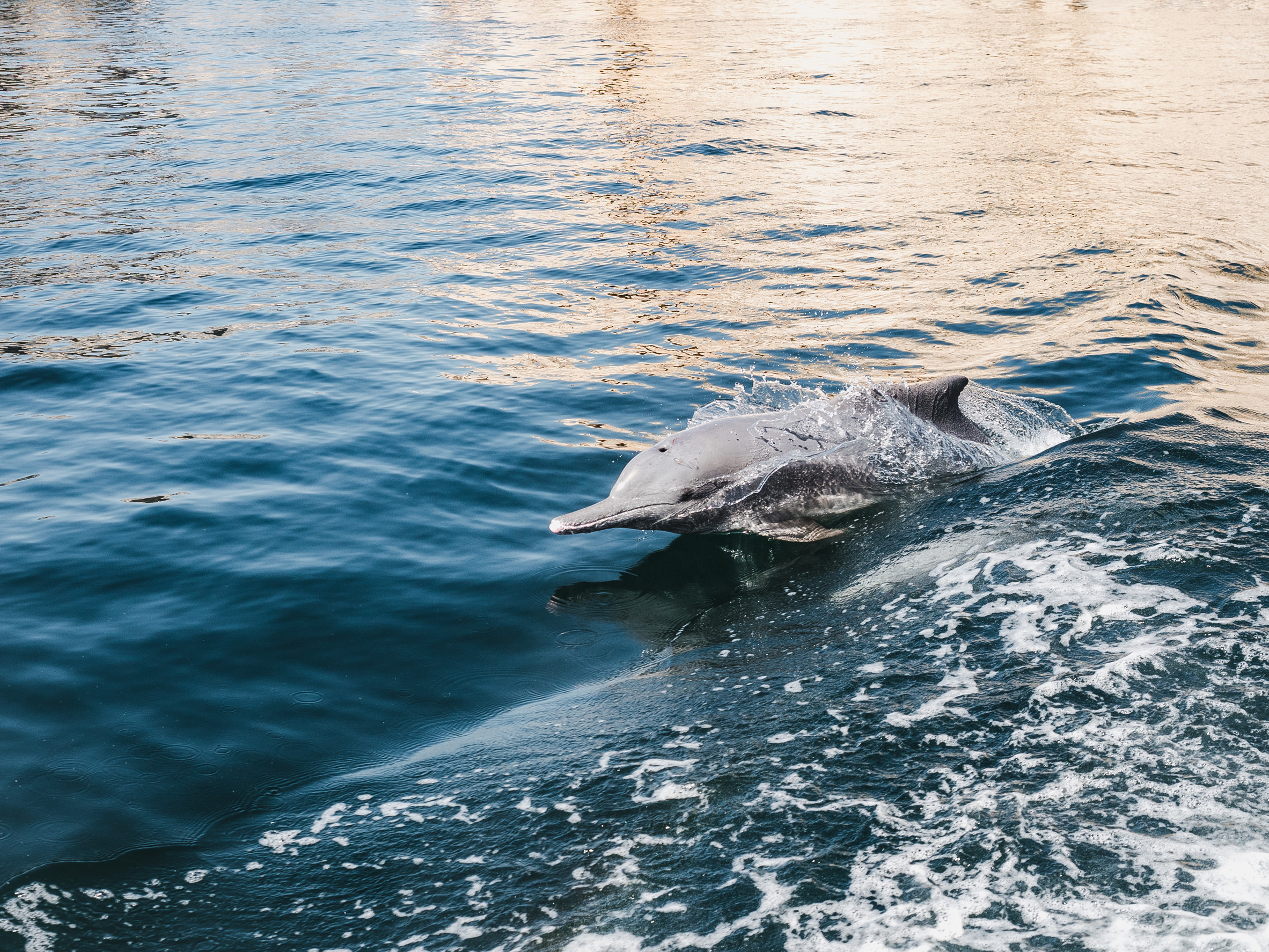
Over the weekend in Wellfleet, Massachusetts, a tense and carefully coordinated marine rescue ended with a heartening outcome: 12 common dolphins were saved after a mass stranding. The International Fund for Animal Welfare (IFAW), which operates one of the world’s most advanced marine mammal rescue programs, received the first emergency call just before 8 a.m. on Saturday.
The dolphins had been spotted in Chipman’s Cove, a notorious stranding hotspot where shallow bays, shifting tidal flats, and the hook-shaped coastline can easily confuse marine mammals. With low tide looming at 10:30 a.m., responders had only hours to act.
“These strandings happen fast, and every minute counts,” said Nicole Hunter, IFAW’s rescue manager. “Our teams worked through rising heat, shifting tides, and difficult terrain to reach and support these dolphins. We know each animal is an individual life, and every rescue is an act of hope.”
Coordinated care and release
By mid-morning, seven of the twelve dolphins had stranded, while the remaining five continued to swim in Wellfleet Harbor. The stranded animals were carefully moved into IFAW’s custom-built mobile dolphin rescue unit, where veterinarians administered IV fluids and supportive care to keep them cool and stable. By midday, they were transported to Herring Cove Beach in Provincetown and released into deeper waters.
The following morning, volunteers spotted another group of five dolphins in the Herring River Gut. Tragically, one had died before teams could arrive, but four others were stabilized and released successfully at the same Provincetown site.
To monitor their recovery, one dolphin from each day was fitted with a satellite tag, ensuring scientists can track their movements after release.
Strength in teamwork
In total, six males and six females, ranging from juveniles to adults, were saved in the two-day effort. The mission involved not only IFAW’s responders, veterinarians, and volunteers but also support from the Cape Cod National Park Service.
Even with decades of experience, IFAW says each event requires rapid mobilization of people, vehicles, and specialized equipment. This year alone, the organization has responded to around 100 dolphin and porpoise strandings in Cape Cod and southeastern Massachusetts.
“To see dolphins stranded is always heartbreaking,” Hunter reflected. “What sustains us—the rescue teams, the volunteers, the veterinarians—is seeing those same animals swim away. It reminds us why we do this work.”
How the public can help
Rescue organizations stress that public vigilance is crucial. Anyone who encounters a live or stranded marine mammal in the region is urged to call or text IFAW’s Stranding Hotline at (508) 743-9548. Quick reporting can give rescue teams the time they need to save more animals like those in Wellfleet.