BY THE OPTIMIST DAILY EDITORIAL TEAM
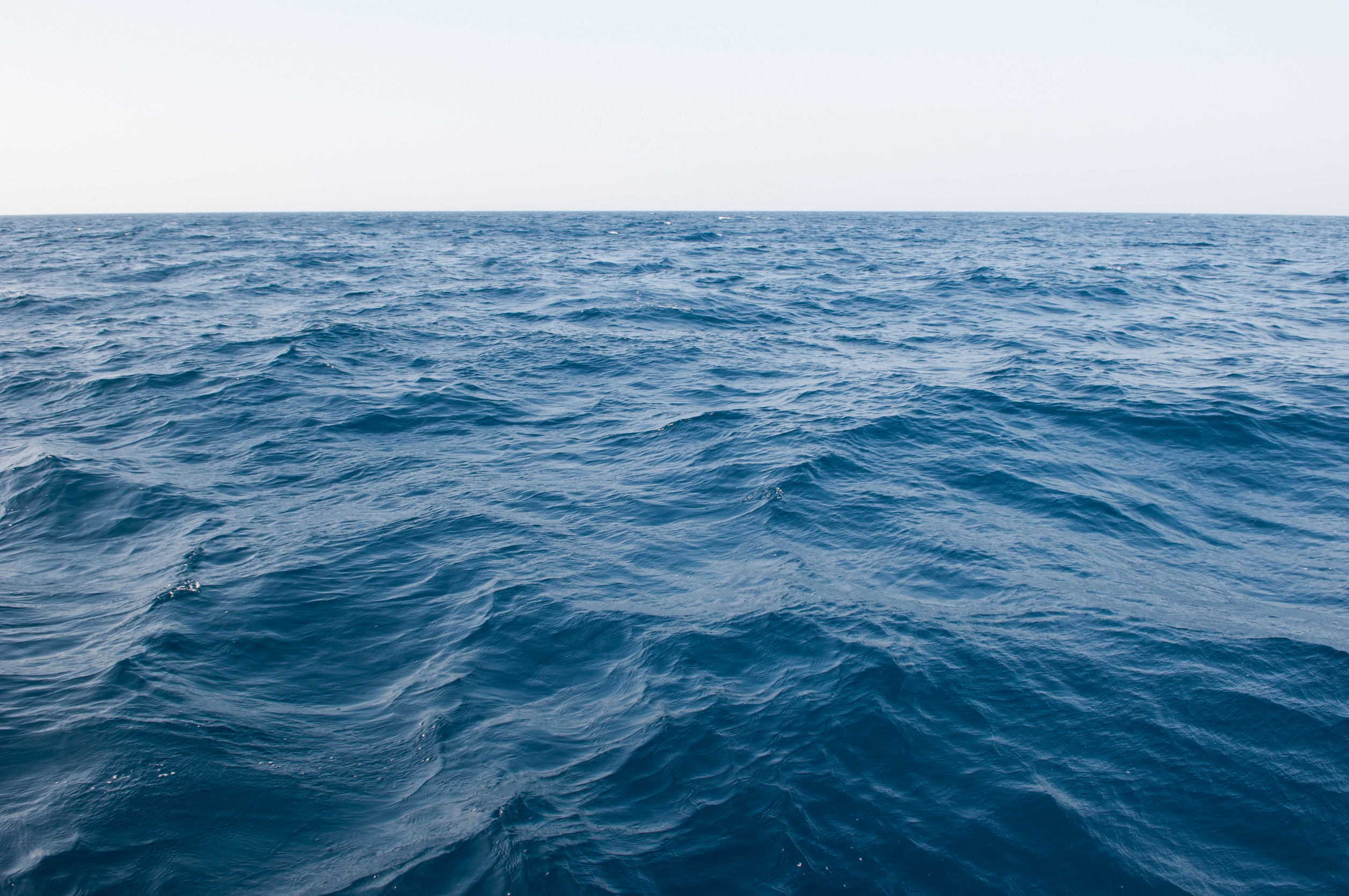
An extraordinary marine conservation initiative has taken a major step forward in the Pacific. The Melanesian Ocean Reserve, a proposed Indigenous-led marine protected area, will span over six million square kilometers (more than 2.3 million square miles) of ocean and islands, an area comparable to the Amazon rainforest. This makes it one of the largest protected ocean spaces on Earth.
Unlike traditional models, the Reserve will be governed entirely through Indigenous leadership and ancestral stewardship, combined with modern science and regional policy collaboration. Once finalized, it will be the first marine protected area in the world to operate across multiple Exclusive Economic Zones (EEZs), uniting the nations of the Solomon Islands, Papua New Guinea, Vanuatu, and New Caledonia.
Making the vision reality
The concept was formally announced earlier this year at the United Nations Ocean Conference in Nice, France, by Solomon Islands Prime Minister Jeremiah Manele. Framing it as a “turning point in history,” Manele emphasized the importance of redefining ocean governance to center Indigenous knowledge.
“Never before have countries united across entire EEZs to enshrine Indigenous governance, constitutional authority, and ancestral stewardship as the foundation of large-scale ocean protection,” Manele said. “The ocean has always been our garden, our market, and our home. Today, we take steps towards making that truth the law.”
To bring that vision to life, leaders have now established a Ministerial Platform, designed to facilitate discussions with partner nations and secure essential development funding. This platform will help ensure that the Reserve moves from concept to reality, not just in name but in practice, with Indigenous leadership embedded at its core.
The four paddles of progress
Supporting the Ministerial Platform are what leaders are calling the Four Paddles, which represent the four foundational pillars guiding the development of the Reserve:
- Ocean transparency and monitoring: Leveraging both local populations and technological tools to oversee activity across vast ocean spaces.
- Indigenous-led investment: Building pathways for Indigenous communities to participate in and benefit from the sustainable ocean economy.
- Sustainable transport and reconnection: Restoring traditional ocean-based transport systems to renew the cultural and practical relationship between people and sea.
- Knowledge integration: Blending modern science with ancestral knowledge to better understand and care for the marine environment.
“We eat from and live in the ocean, but we have been retreating from it as other ways of life start to dominate,” said Polycarp Paea, Solomon Islands Minister for Environment, Climate Change, Disaster Management, and Meteorology. “The paddle for knowing the ocean uses science and research to build from our existing ancestral knowledge, rather than replacing it.”
He added that the transport paddle aims to “fill [the ocean] up with our life and our attention” by encouraging ocean travel and stewardship.
From vision to impact
Bradley Tovosia, Solomon Islands’ Minister for Fisheries and Marine Resources, highlighted how the Melanesian Ocean Reserve could serve as an organizing framework for a sustainable ocean economy.
“With the Indigenous investment paddle, we look forward to our Indigenous Solomon Islanders becoming direct participants in the fisheries value chain, instead of being spectators,” he said. “Through the ocean transparency paddle, we aim to observe our full ocean space, so we can see who is doing what.”
As the world looks to ambitious solutions for climate resilience, biodiversity, and sustainability, this initiative provides a hopeful model; one that honors deep-rooted knowledge, empowers local communities, and leads with collective care for the ocean.