BY THE OPTIMIST DAILY EDITORIAL TEAM
A lotion made from catnip oil matched DEET in field trials in Uganda, according to research presented at the Society for Experimental Biology conference in Florence last week.
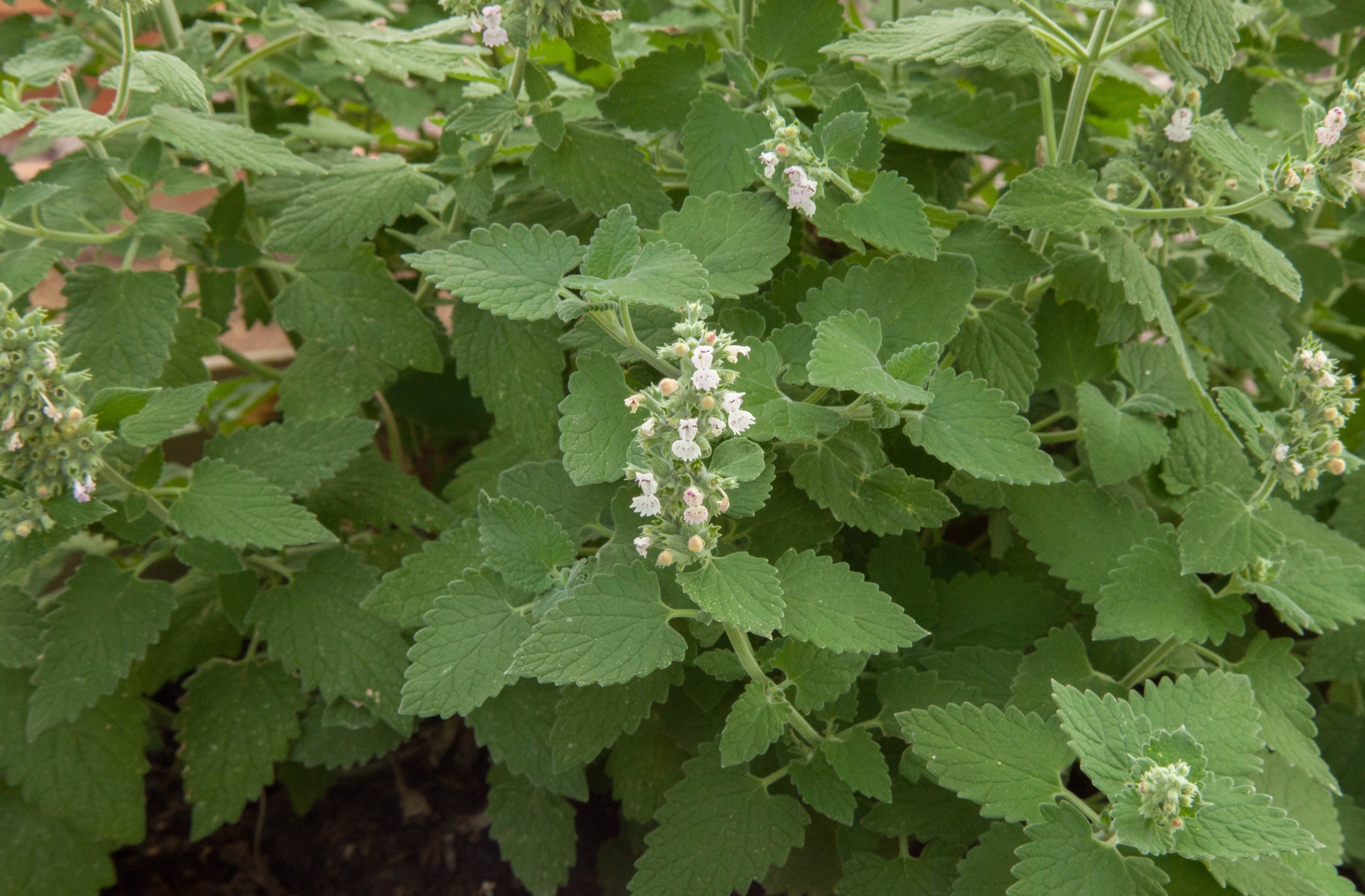
Catnip (Nepeta cataria), a common herb in the mint family, contains nepetalactone, the compound that makes cats go sideways. It also repels insects, which has been known for years. Nobody had turned it into a product. That’s what this research is trying to change.
What the trial found
Researchers from Cardiff University, working with partners in Uganda, tested four groups: volunteers wearing DEET lotion (15 percent, the most available formulation in Uganda), a six percent catnip oil lotion, a two percent catnip oil lotion, and a placebo. They counted mosquito landings on volunteers’ legs over an evening in eastern Uganda.
“We found that a six percent catnip oil was just as effective as DEET, and the two percent catnip oil was only marginally less effective than that,” said Dr. Simon Scofield, a senior lecturer at Cardiff University who led the research.
Lab tests confirmed catnip oil could work as a repellent. The field trial was the more challenging test.
The malaria context
Malaria infects about 282 million people a year. It killed 610,000 in 2024, most of them young children in sub-Saharan Africa. Insecticide resistance is rising, and so is resistance to frontline treatment drugs.
DEET is the most widely used repellent in the world, but most of the people who need it most can’t afford it. “DEET is out of the price bracket for most rural Ugandan subsistence farmers, so buying commercially available mosquito repellents is just not practicable,” Scofield said. Travelers from the US and Europe heading to malaria-endemic regions are typically advised to use formulations of at least 50 percent DEET. The product tested against catnip in Uganda was 15 percent. Catnip grows locally. That’s not incidental to the research; it’s the driving motivation for it.
Making it locally
The team also tested whether the lotion could be produced by a community enterprise. So far it’s been distributed free under grant funding. The next step is scaling production and selling it so the supply chain can survive without grants.
“Once we know that we can sell and distribute the repellent at a low cost, that should generate a self-sustaining system where the money is flowing back to everybody at each stage in the development,” Scofield said.
One real limitation
Swai Kyeba, a research entomologist at the Ifakara Health Institute in Tanzania who wasn’t involved in the study, welcomed the direction. “New vector-control tools are necessary in the fight against malaria, especially those that are cheap and locally produced,” he said.
His reservation is one that applies to all topical repellents: people have to actually use them. “A challenge with topical repellents is low compliance because they require regular application,” Kyeba said. “This is why they remain a complementary tool in the fight against malaria.”
That’s true of DEET too. No repellent works if it stays in the cabinet. A cheap, locally made lotion narrows that gap. It doesn’t close it.
Did this solution stand out? Share it with a friend or support our mission by becoming an Emissary.