BY THE OPTIMIST DAILY EDITORIAL TEAM
When the last miners left the open-cast lignite pits of eastern Germany’s Lusatia region, they left behind craters stretching more than 200 feet (60 meters) deep. What followed was not restoration in any conventional sense. It was construction: the deliberate, painstaking work of building a landscape that had never previously existed.
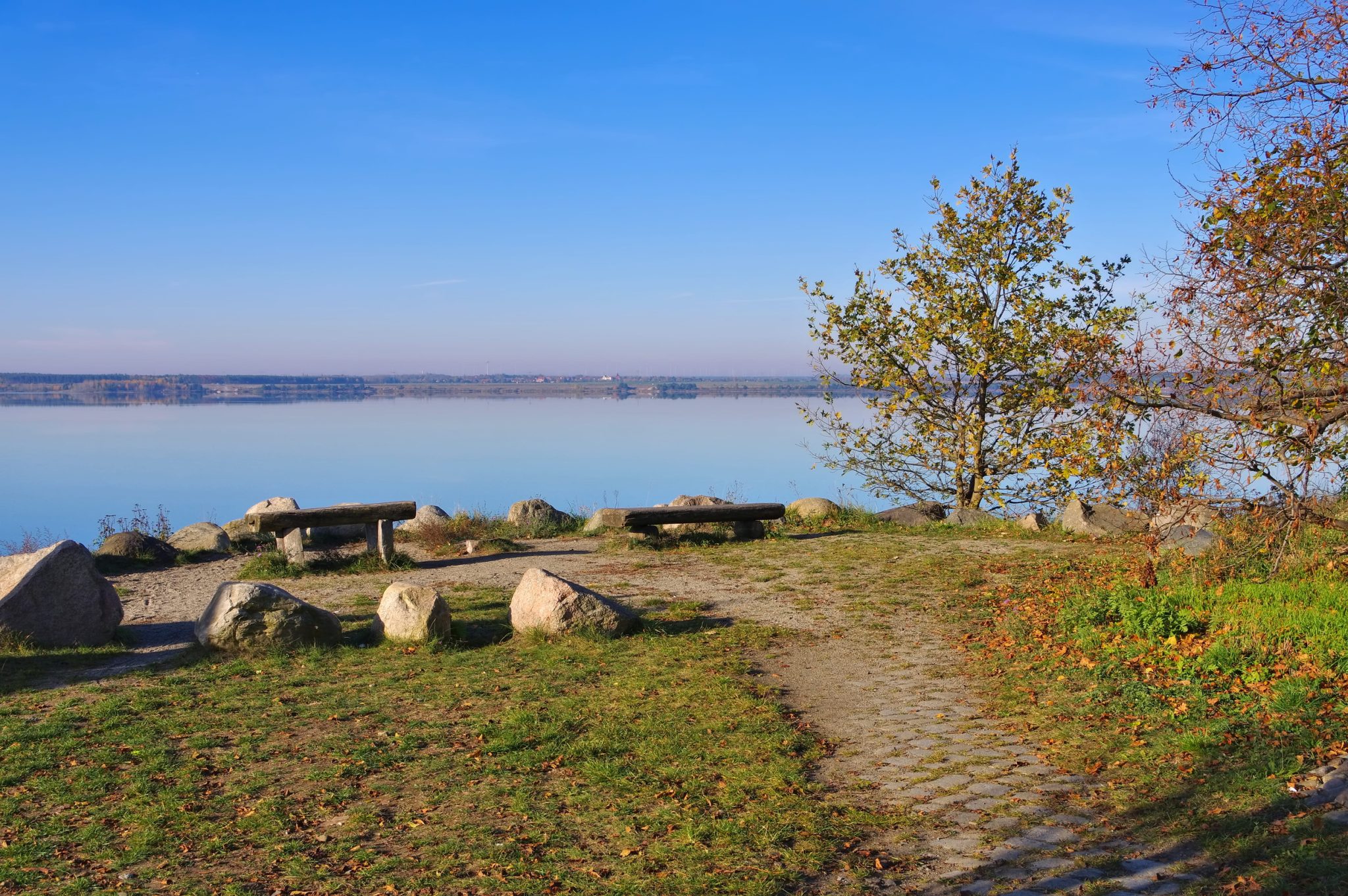
The Lusatian Lakeland, now Europe’s largest artificial water landscape, reaches a new milestone this month when Lake Sedlitz, the final piece of a 23-lake complex, opens for swimming and boating. The total water surface will eventually reach 144 square kilometers (56 square miles), almost exactly the size of Italy’s Lake Como.
Dr. Uwe Steinhuber of the Lausitz and Central-German Mining Administration Company (LMBV), which has overseen the project since the early 1990s, frames the scale plainly: “This is a process that will take two generations.”
Building a lake from scratch
Left alone, the craters would fill naturally over 80 to 100 years through groundwater and rainfall. The LMBV chose not to wait. Water has been extracted from three rivers, the Neisse, Spree, and Schwarze Elster, and channeled directly into the former mines.
The process requires careful coordination. Flooding can only proceed when conditions allow: power stations, shipping routes, and the fishing industry must not be disrupted. Each lake presents its own engineering problems. Embankments need geotechnical stabilisation, mineral-laden groundwater has to be managed, and in some cases, the rapid introduction of neutral river water is essential to prevent acidic runoff from reaching the lakes.
The cost has been substantial. Lusatia’s reorganisation has run to around 7 billion euros (approximately $7.6 billion). Total costs across all LMBV projects reach roughly 13.8 billion euros (about $15 billion), and a further 4.8 billion euros (around $5.2 billion) will likely be needed over the next 25 years. A single stable lake costs between 200 and 600 million euros ($220 to $660 million) to create, funded 75 percent by the federal government and 25 percent by the relevant state.
More than a tourist attraction
The results have attracted visitors from across Europe. In 2025, around 800,000 overnight stays were recorded in the region, with Czech tourism growing 12.7 percent year over year. The tourism association is now targeting the Polish market, with a long-term goal of 1.5 million annual overnight stays.
But the lakes serve a second, less obvious function. They have become water reservoirs for the Spree and Schwarze Elster rivers during drought periods, a role that grows more important as the region faces hotter, drier summers. The complex, which will eventually be linked by a navigable canal network spanning 7,000 hectares (about 27 square miles), is climate infrastructure as much as a recreation destination.
The economic shift has been felt in the communities that built their lives around coal. “The local population benefits in many ways,” says Winkler of the regional tourism association, pointing to new jobs in hospitality, leisure, and tourism infrastructure, including for former miners and their families. The region even has a town called Neu-Seeland, which translates as New Zealand, around which the artificial water landscape has grown.
A blueprint that other coal regions are watching
Winkler believes the project offers a transferable template. “The combination of comprehensive mining restoration, sustainable landscape design and the targeted development of a tourism value-added cycle provides impetus for regions facing similar structural change,” he says. International workshops began during the International Building Exhibition between 2000 and 2010, and exchanges with partners from other coal-dependent countries have continued since.
Those conversations are likely to intensify. Lausitz Energie Bergbau AG, which still operates active open-cast mines in Lusatia, plans to wind them down from 2030, with the last expected to close by 2038. Those pits will then need flooding too, extending the transformation for decades more.
Across Europe, dozens of coal regions face the same question: what do you do with the land after extraction ends? Germany has been running this experiment longer than almost anywhere else. Lusatia’s answer is that it can be built with intention, lake by lake, over two generations, into something that draws people in.
Did this solution stand out? Share it with a friend or support our mission by becoming an Emissary.