BY THE OPTIMIST DAILY EDITORIAL TEAM
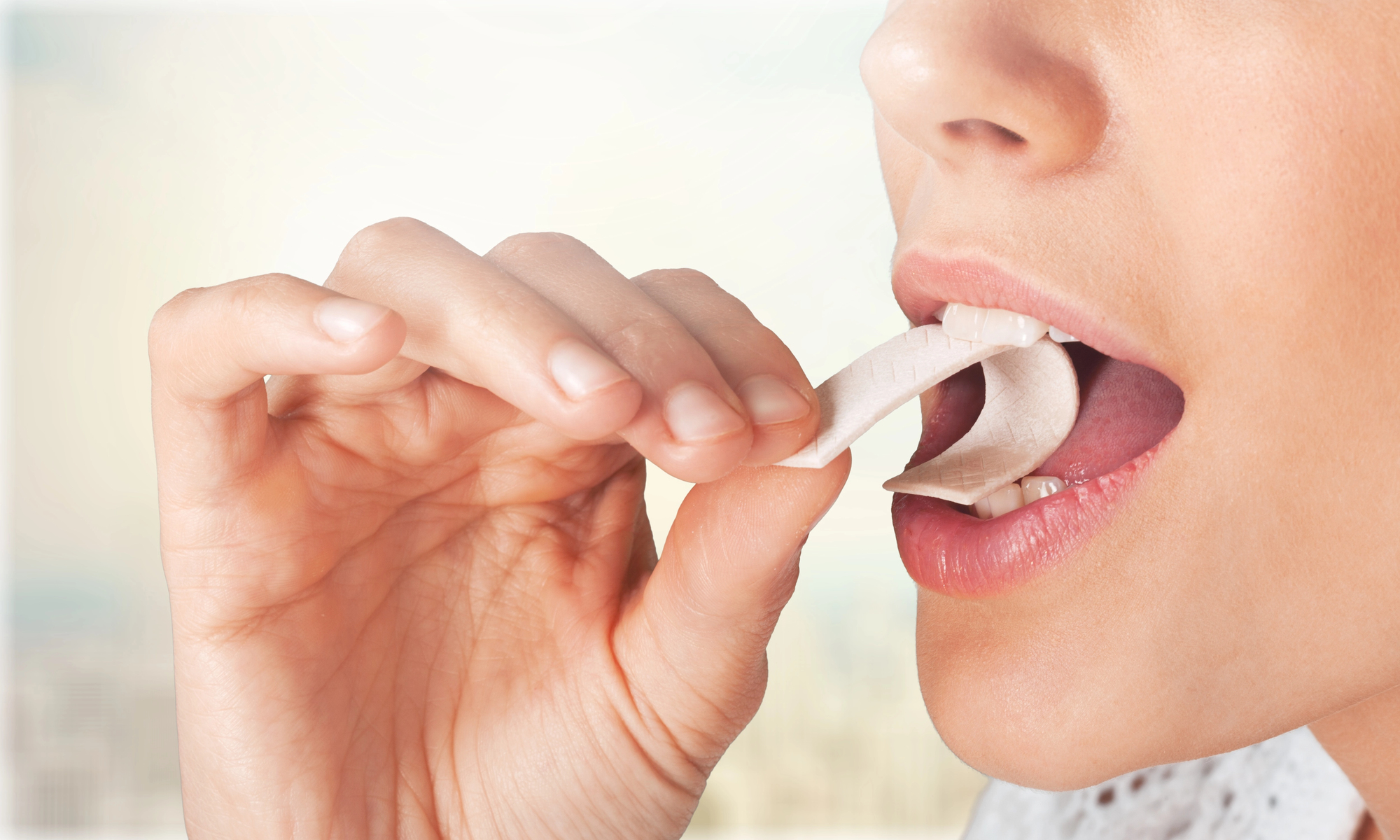
A bioengineered chewing gum cut HPV levels by 93 percent in oral samples from head and neck cancer patients, in new research from the University of Pennsylvania. The same formulation, when loaded with an antimicrobial peptide called protegrin, brought two cancer-linked bacteria down to nearly zero and left the mouth’s beneficial microbes alone.
Henry Daniell of Penn’s School of Dental Medicine led the work, published in Scientific Reports.
Why head and neck cancer needs new treatment options
Head and neck squamous cell carcinoma, or HNSCC, starts in the tissues lining the mouth and throat. It’s often caught late, and newer drugs haven’t done much to improve survival rates. That’s pushed researchers toward other angles.
HPV sits at the center of the problem. “The global increase in oropharyngeal cancer is linked to HPV infection,” says Daniell. Two bacteria make outcomes worse: Porphyromonas gingivalis and Fusobacterium nucleatum. “Pg and Fn infections worsen survival rates of untreated recurrent or metastatic oral cancer, even after surgery and risk-adjusted adjuvant, or supplemental, therapies.”
How does the gum work?
The gum is made from lablab beans, which naturally contain FRIL, an antiviral protein. Daniell’s team tested extracts against oral samples from HNSCC patients. HPV dropped by 93 percent in saliva and 80 percent in oral rinse samples.
For the bacteria, the team added protegrin to the formulation. A single dose brought both Porphyromonas gingivalis and Fusobacterium nucleatum to nearly nothing.
A treatment that leaves the microbiome intact
The part worth paying attention to is what the gum didn’t do. Radiation therapy, standard in head and neck cancer treatment, tends to knock out helpful bacteria while creating conditions that favor Candida albicans, a disease-causing yeast. The bean gum avoided that collateral damage, which matters because it could run alongside existing treatments without making the microbial picture worse.
The case for clinical trials
Daniell puts the scale of the problem plainly: “Lip and oral cavity cancer was the seventh leading cancer type in cancer incidence and mortality rate worldwide in adolescents, young adults, and middle-aged adults in 2022. Our findings support the value of advancing these therapies to clinical trials as adjuvants with current treatments or as prophylaxis to prevent infection and transmission.”
The team sees two applications: as an add-on to existing cancer treatment, and as a preventive against HPV transmission. These results come from lab tests on patient samples. Clinical trials are the next step.
Source study: Scientific Reports– Ex vivo HNSCC clinical studies using saliva and antiviral or antibacterial chewing gums reveal reduction in carcinogenic microbes
Did this solution stand out? Share it with a friend or support our mission by becoming an Emissary.