BY THE OPTIMIST DAILY EDITORIAL TEAM
Good news! In the UK, only 63 infants were admitted to intensive care with RSV infection last winter, which is down from 131 the year before. Same 20 hospitals, same surveillance system. The UK Health Security Agency published its first full-year results on the maternal RSV vaccination program on August 13.
What the data shows
The agency tracked RSV admissions across 20 NHS trusts through the winter of 2025/2026. Among infants under six months admitted to ICUs or higher dependency units with confirmed RSV chest infection, the count was 63. The previous winter: 131, demonstrating an impressive 52 percent drop.
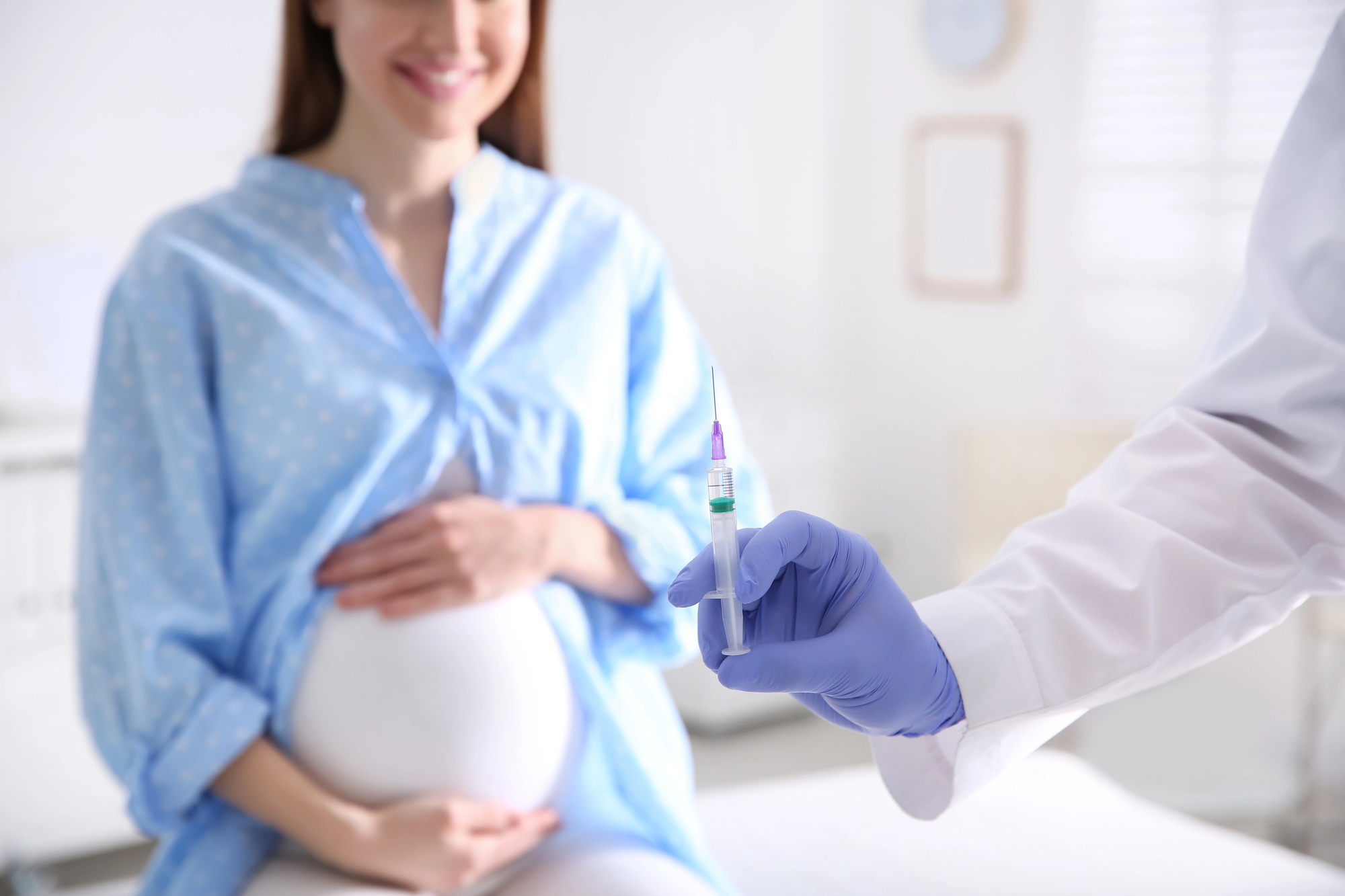
The program offers RSV vaccination to pregnant women so their antibodies transfer to the newborn before birth. It launched in September 2024, but full impact on infant hospitalizations was never going to show up until more women had been through a full pregnancy cycle. The 2025/2026 winter was the first real test, and it passed.
Uptake and the gap it leaves
Between March 2025 and February 2026, 61.7 percent of women giving birth received the RSV vaccine. This is a strong outcome for a first year. However, it also means four in ten pregnant women still didn’t, leaving thousands of newborns unprotected each winter.
“While uptake exceeds 60 percent, thousands of infants remain unprotected each year,” said Stephen Tomlin, clinical lead for the neonatal and pediatric pharmacy group. “Every contact that healthcare professionals have with pregnant women is an opportunity to discuss the importance of RSV vaccination and its role in safeguarding newborns during their most vulnerable months of life.”
Ashifa Trivedi, neonatal pharmacist and clinical lead at Evelina London Children’s Hospital, pointed to equity. “There is still more we can do to ensure every eligible woman has the opportunity to make an informed choice about vaccination,” she said.
Why ICU numbers tell the real story
Total hospitalizations capture a lot of mild cases. ICU and higher dependency admissions are where severity shows up, and halving those means fewer newborns on ventilators and fewer families in neonatal units through the winter months.
RSV is the leading cause of infant hospitalization in the first year of life. Most babies get through it, but for infants under six months, particularly premature ones, it can tip into respiratory failure fast. The vaccine doesn’t stop babies from encountering RSV. What it does is it loads them with enough maternal antibodies that the infection is less likely to go that far.
Did this solution stand out? Share it with a friend or support our mission by becoming an Emissary.