BY THE OPTIMIST DAILY EDITORIAL TEAM
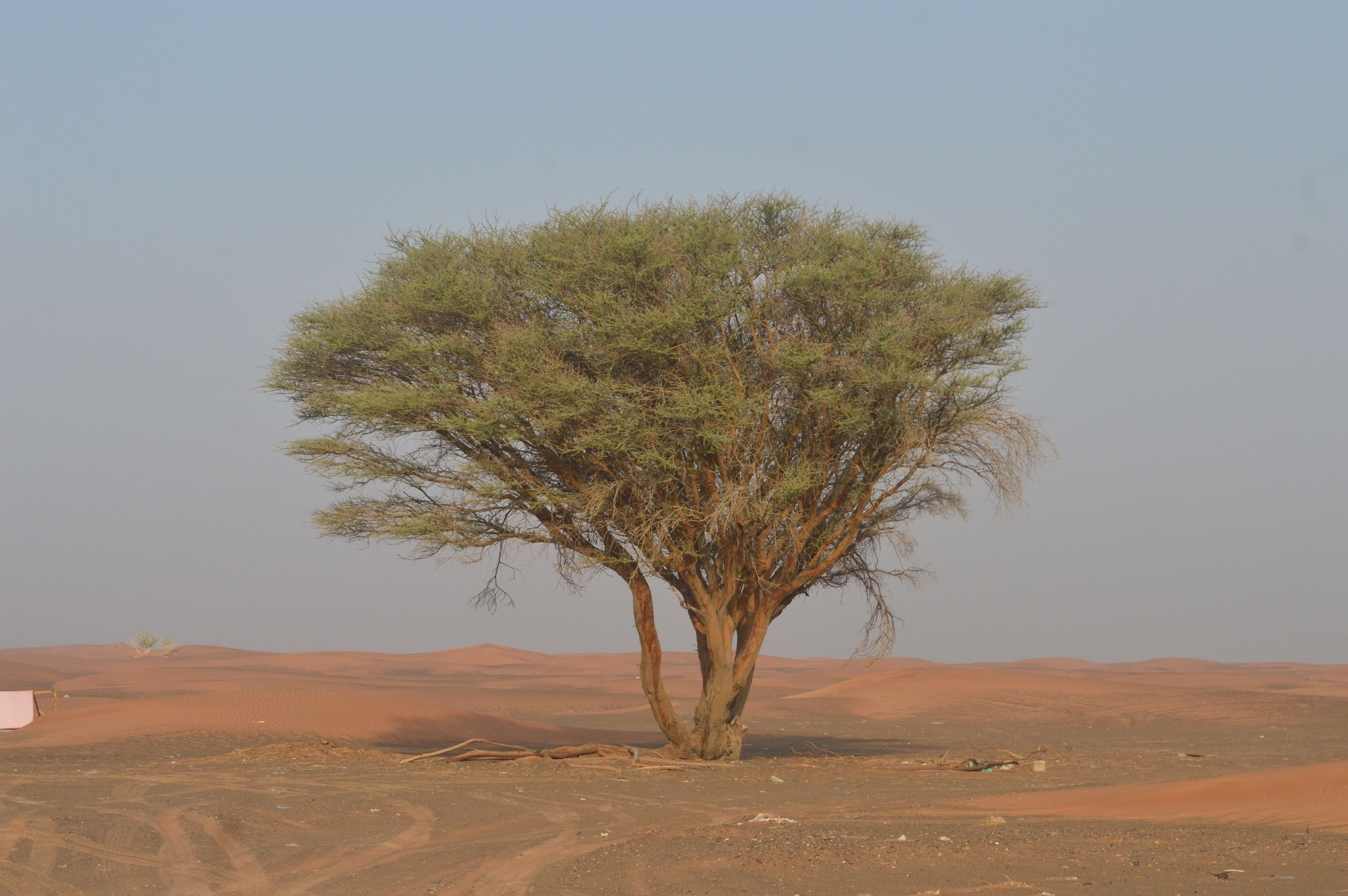
In 1983, an Australian agricultural adviser named Tony Rinaudo was working in the Sahel when he noticed something that didn’t fit the picture everyone had of the region. The land looked barren. But beneath the depleted soil, root systems were still alive. When farmers eased the pressure of overgrazing, green shoots came up.
Rinaudo had found something that would eventually restore five million hectares (about 12.4 million acres) of savanna in Niger without a single seedling being planted. The trees weren’t gone. They were waiting underground.
The technique is called Farmer Managed Natural Regeneration, or FMNR. Farmers identify which shoots are emerging from existing root systems to protect and which to prune. The process is slow, deliberate, and entirely driven by the people who own the land. Because the trees belong to the farmers, they provide direct value: shade, erosion control, firewood, fruit, animal fodder. Protection is self-interest, not a program obligation.
All about the numbers
Niger formally recognized FMNR as a national soil restoration method in 2020. By then, the World Agroforestry Centre and the NDC Partnership estimated more than 200 million trees had been restored across five million hectares, benefiting roughly 2.5 million people.
The broader context is Africa’s AFR100 initiative, in which 33 countries committed to restoring 129 million hectares (about 319 million acres) of degraded land by 2030. The Great Green Wall runs alongside it: an 8,000-kilometer (about 5,000-mile) band of vegetation from Senegal to Djibouti through 11 Sahel countries, targeting 100 million hectares restored, 250 million tons of carbon sequestered, and 10 million new jobs. Financing runs through a $33 billion framework involving the Global Environment Facility, the African Development Bank, and the World Bank.
By mid-2026, roughly 18 percent of the 100 million hectare target had been restored, four years ahead of schedule. Conflict is slowing progress in parts of the region, though. Burkina Faso, parts of Niger, and Mali lack stable governance following coups, making long-term implementation close to impossible in those areas. At current pace, the Great Green Wall will restore roughly 40 to 50 million hectares (about 99 to 124 million acres) by 2030, less than half the target.
The lesson from Ethiopia
Ethiopia is worth looking at for contrast. The Green Legacy Initiative operates on a different model: state-organized mass planting, billions of seedlings annually. In July 2019, government-organized volunteers planted 350 million trees in a single day.
These are, undoubtedly, striking numbers. However, planting and surviving are different things. Researchers at the Ethiopian Environment and Forest Research Institute found that without follow-up care, more than half of seedlings fail to establish. Niger’s FMNR approach doesn’t have this problem: trees growing from existing root systems already have what they need to survive, and farmers have direct financial reasons to protect them. Rwanda’s TREPA project operates on similar logic, integrating trees economically into farmland through fruit trees, fodder crops, and timber. What holds across all the success cases is the same: restoration lasts when communities have economic stakes in trees, not civic obligations to tend them.
Where it goes from here
FMNR is now being tested in more than 20 countries, from Ghana to Madagascar. Experts at the World Agroforestry Centre estimate the method could work across large parts of the Sahel and southern African savanna, wherever root systems have survived without being destroyed outright.
Whether the broader initiative hits its 2030 targets depends on funding and political stability in some of the hardest places on earth to run long-term programs. The method itself is no longer in question. Five million restored hectares in Niger, with no planting, is a fairly unambiguous answer.
Did this solution stand out? Share it with a friend or support our mission by becoming an Emissary.