BY THE OPTIMIST DAILY EDITORIAL TEAM
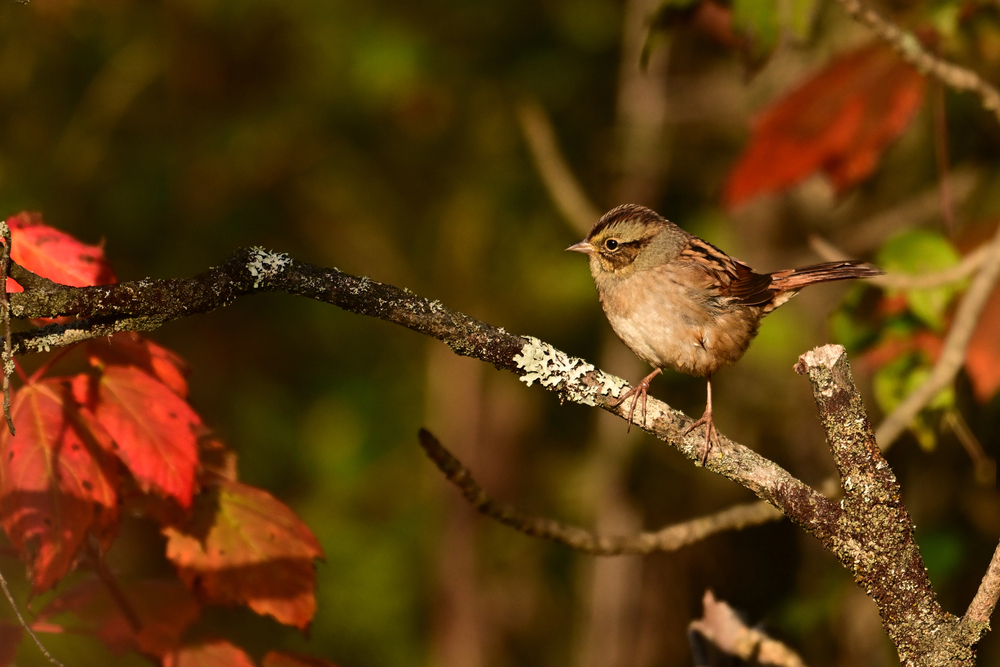
If you’ve ever caught a flash of movement in the branches in early October, something small and unfamiliar, not the usual backyard regulars- there’s a good chance it was a migrating bird passing through and looking for somewhere to stop. Tens of millions travel through the country every autumn, flying at night and landing wherever they can when their fat reserves run low at dawn. Most yards don’t have much to offer them. A few simple changes can make yours one that does.
Bob Mulvihill, lead ornithologist at the National Aviary, has six specific things you can do this season to make your outdoor space worth stopping at. Some take just a few minutes. Some are about holding off on things you were already planning to do.
Plant trees and shrubs that fruit in fall
If you’re already planning to add something to the yard this season, let the birds weigh in. Native fruiting trees and shrubs give migrating and resident birds exactly what they’re searching for as wild food sources thin out. Mulvihill’s list includes flowering dogwood, pagoda dogwood, elderberry, viburnum, flowering crabapple (small-fruited varieties can pull in Cedar Waxwings by the dozen), holly, spicebush, wild grapes including Virginia creeper, and wild cherry trees.
Many of these are available at nurseries already established, so you can get them in the ground or in a container this week. They don’t just help once; a good native fruiting tree or shrub keeps producing for years, and they tend to become the most active corners of the yard come migration time.
Don’t cut back those spent flowers yet
It’s tempting to tidy everything up in September and October. Hold off. The seed heads on spent flowers are food, and for certain birds they become a central part of the autumn diet as other sources dry up. Goldfinches, juncos, and many kinds of sparrows will return to them repeatedly through fall and into winter.
Mulvihill names a few native wildflowers that are especially productive: joe-pye weed, ironweed, goldenrods, asters, and wild sunflowers. “If you plant a native wildflower garden with joe-pye weed, ironweed, goldenrods, asters, and wild sunflowers,” he says, “you will soon have a five-star songbird restaurant that will get rave reviews.” A patch of these in a back corner, left standing through the cold months, does more for local bird life than most feeders.
Add moving water
A birdbath is fine in summer, but it won’t attract the full range of birds moving through in autumn. Many migrating species, including warblers and vireos, don’t eat seeds or fruit at all, which means water is the only thing that will pull them in. Migrants specifically look for water that’s moving rather than still, and a flat, standing dish is easy to miss.
If you’re not ready to install anything permanent, there are easy DIY options: a dripper or small solar-powered pump in an existing birdbath creates enough movement to make a difference. “A small, natural-looking moving-water feature will catch the eye of our resident birds and any birds that are just passing through on migration,” Mulvihill says. You’ll start seeing visitors that would never show up otherwise.
Build a brush pile
Before your yard waste goes out to the curb, consider keeping some of it. A loose pile of branches, sticks, and garden debris in a back corner becomes habitat almost immediately: cover from predators for sparrows, towhees, blackbirds, and buntings, along with a source of spiders and other invertebrates that birds will actively forage through. “Brush piles give birds excellent cover from predators, at the same time providing lots of nooks and crannies for spiders and other invertebrates that birds will feed on,” Mulvihill says.
It doesn’t need to be large or elaborate. Even a modest pile makes a real difference. Year-round resident Carolina wrens, which tend to stick close to dense cover, will use it constantly and reward you with a song that’s disproportionately loud for such a small bird.
Keep cats inside during migration
This one is harder to hear if you have an outdoor cat. But Mulvihill notes that free-ranging domestic cats kill more than a billion songbirds in the United States every year, and migrating birds are particularly easy targets: they fly through the night and land exhausted at dawn on the first patch of greenery they find, which may be your backyard. An alert cat in that space at that moment is a real problem for a bird running on empty.
Keeping cats indoors during the spring and fall migration peaks, roughly March through May and August through November, helps both the birds and the cats, which are also safer from traffic, predators, and disease when they stay inside.
Make your windows and outdoor lights safer
A couple of changes around the house can reduce risk before birds even reach the yard. Windows are a bigger hazard than most people realize: a bird heading toward a window sees sky or trees reflected back and has no way of knowing glass is there. UV-reflective dot or stripe patterns on the outside of windows facing the yard break up those reflections enough to register as a solid surface. Horizontal strings on the exterior, spaced roughly two inches apart, work just as well and cost almost nothing.
Outdoor lights are a similar issue during migration season. Many birds navigate at night by stars and ambient light, and lit windows and exterior fixtures can disorient them the way a porch light confuses moths. Turning exterior lights off at night or drawing blinds on bright rooms during peak migration months is one of the easier changes on this list, and it helps.
A few native plants, a water feature, a brush pile in the corner, some strings on the windows, lights off at night. It sounds like a lot written out like that, but most of it takes an afternoon. Some of these birds are flying thousands of miles, running on fat reserves they’ve spent weeks building up. Taking all of that into consideration, it makes sense that what you put out for them at dawn truly matters.
Did this solution stand out? Share it with a friend or support our mission by becoming an Emissary.