BY THE OPTIMIST DAILY EDITORIAL TEAM
California just gave apartment renters a shot at solar. Governor Gavin Newsom signed a bill legalizing plug-in solar panels, also called balcony solar, clearing the way for a technology that doesn’t require a roof you own, a contractor, or tens of thousands of dollars up front. Compliant models are expected to hit shelves in mid-2027.
How the hardware works
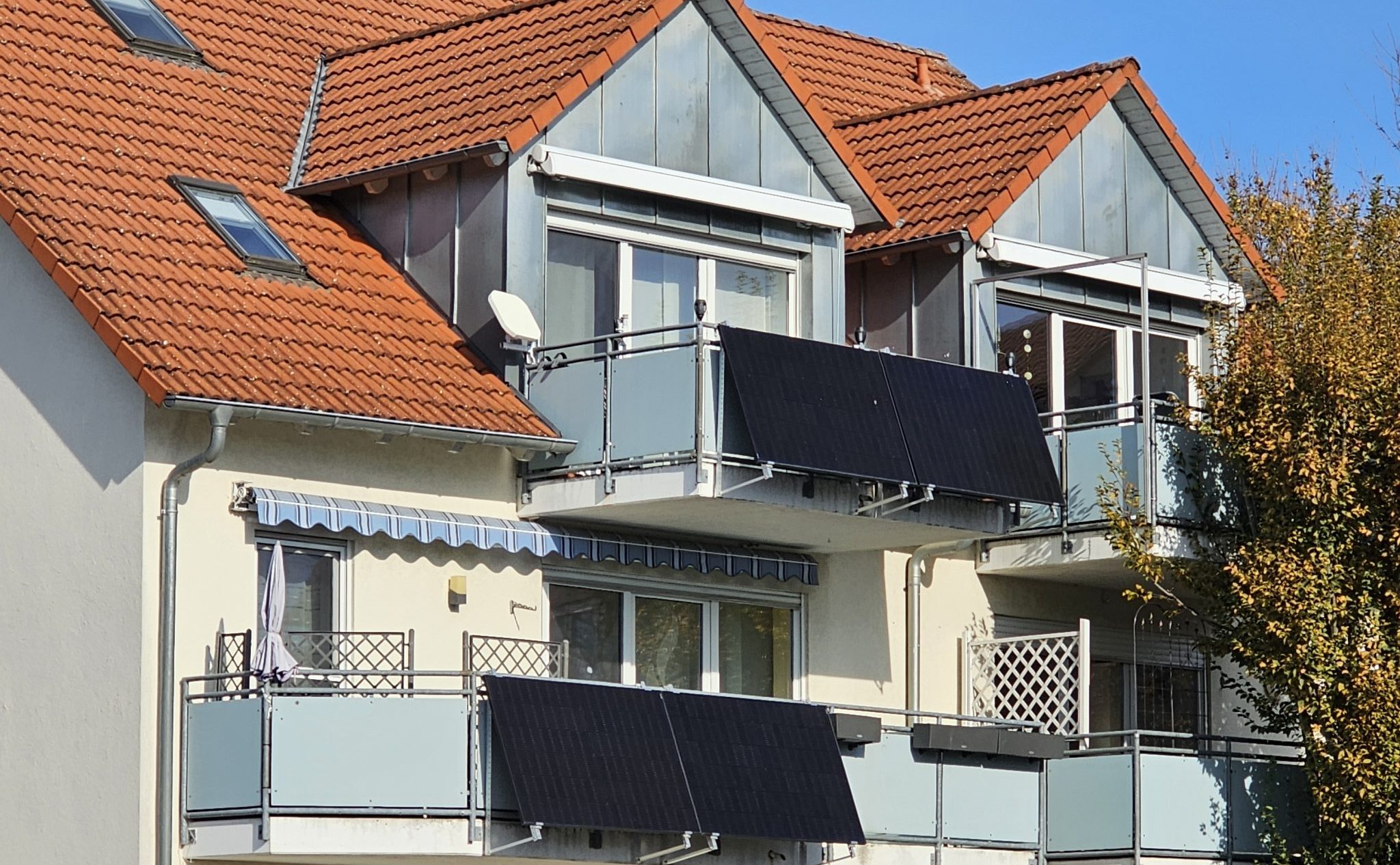
The hardware is minimal: a few small panels, an inverter, and cables. The panels can hang from a balcony railing, mount outside a window, or sit in a backyard. Existing models run from $300 to $2,200, much cheaper than a rooftop installation because you set them up yourself. In Germany, where they’re already common, you just plug them into a wall outlet. California’s version has more certification requirements for now, but that’s where the law is pointed.
Who is historically left out of rooftop solar?
Rooftop solar has always had prerequisites. You need to own your home, have a qualifying roof, and either have capital or qualify for financing. That locked out renters from day one, along with a lot of low-income households and anyone in a multifamily building.
“These small, easy-to-use solar panels will give everyone, including renters, the relief they desperately need on our outrageous energy bills,” said state Senator Scott Wiener, who wrote the bill. It passed with bipartisan support.
The benefits of plug-in
A plug-in system can cover up to 20 percent of a home’s electricity needs and save as much as $500 a year for a small apartment. California electric bills have climbed hard over the past few years, so that number means something to a lot of people.
The registration overhaul
The registration change matters nearly as much as the legalization. Under the old rules, adding a plug-in panel meant completing the same interconnection paperwork required for a full rooftop system, which could cost up to $800 and take days. Advocates noted that process cost more than the panels themselves in some cases. Under the new law, registration is free and immediate.
Systems must stay under 1,200 watts per home, pass third-party safety certification, and include protection against backfeeding electricity into the grid during outages. Products currently on the market don’t meet those standards yet, so the old registration process still applies for now. The sale of non-compliant systems becomes illegal in 2030, and the law runs from 2027 to January 1, 2030.
“The market is sending a clear signal to manufacturers that they need to develop a California system,” said Cora Stryker, co-founder of Bright Saver, a plug-in solar advocacy group.
California is the tenth state to pass this kind of law. Utah went first in March 2025; Colorado, Virginia, and Maine followed. But California is the country’s largest electricity market, which means manufacturers pay attention in a different way. What advocates have been describing for years, plug-in solar on the shelf at a hardware store, is now a reasonable near-term prospect.
Did this solution stand out? Share it with a friend or support our mission by becoming an Emissary.