


Artificial Intelligence
AI is the technology of the future. From supporting art restoration to overcoming the limitations of traditional agriculture and counting wild elephants, find out how AI is transforming the world for the better.

Advancements in AI improve prognosis and treatment of heart attacks
A new study conducted by the University of Oxford finds that artificial intelligence (AI) has the capacity to predict an individual's risk of having a heart attack up to a decade in advance. This innovation not only has the potential to save thousands of lives, but it also has the potential to Read More...

Project Green Light by Google: transforming urban traffic for a cleaner commute
Google's Maps app tapped into a rich mine of everyday traffic data, which holds the key to changing urban mobility. This information, gathered from a wide network of Android devices and in-car navigation systems, offers cities a game-changing possibility to optimize traffic signal timings. Google's Read More...
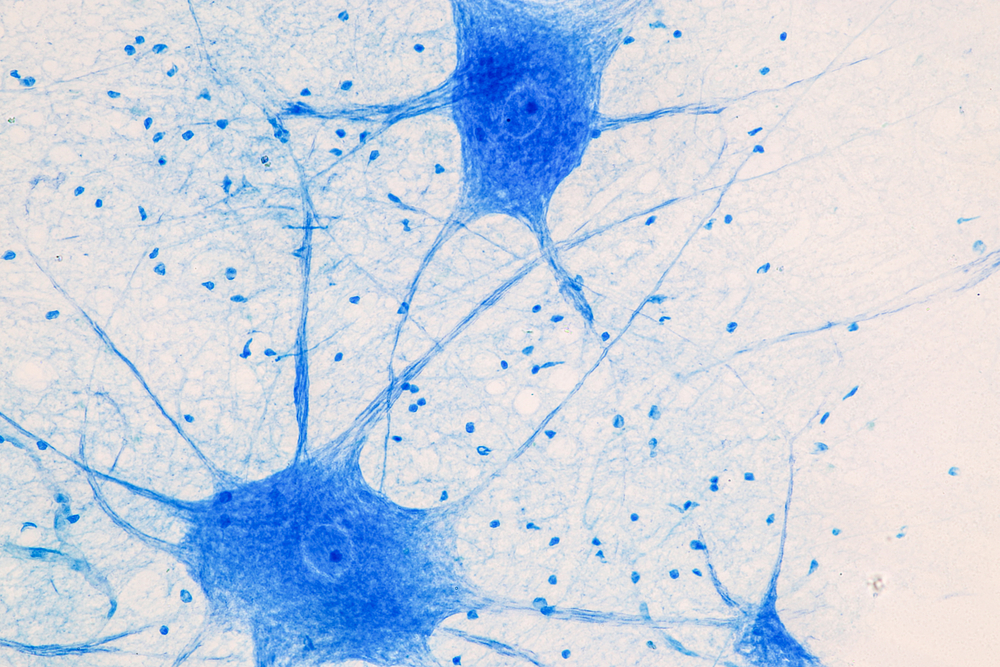
Revolutionary brain-computer interface unlocks the voices of those silenced by paralysis
In a remarkable breakthrough, technology is giving those who have long been silenced by paralysis a voice. An advancement in brain-computer interfaces (BCIs) allowed a severely paralyzed woman to express herself through an avatar that translates her brain signals into voice and facial expressions. Read More...

AI allows rapid identification of disorders and syndromes by scanning children's faces
A massive leap in medical technology has ushered in a new era in the diagnosis of developmental diseases and syndromes. Researchers at Radboud University Medical Center are using artificial intelligence to revolutionize the way children throughout the world are diagnosed with illnesses and Read More...

Not Impossible—A new way for deaf individuals to feel music
Over a year ago, Daniel Belquer, a musician and theater artist, was asked to join a team whose objective was to improve the live music experience for people who are deaf or hard of hearing. Witnessing these concertgoers' inventive workarounds, such as feeling vibrations through balloons or Read More...

AI makes wind farms safer for birds— a win for green energy expansion
For years, concerns over the potential harm wind turbines might cause to birds have been an obstacle to the expansion of wind energy. However, studies using artificial intelligence (AI) have shown that such worries are unfounded. The study analyzed vast amounts of data collected from bird Read More...

Avatar's motion AI tech helps researchers detect rare diseases
Researchers are using motion capture artificial intelligence technology that brings characters to life in films like Avatar to track the onset of diseases that affect movement, according to a recent BBC article. The new system uses artificial intelligence to analyze body movements and diagnose Read More...

22 reasons for optimism in 2022 (part II)
Here are eleven more good things that happened in 2022 that gave us cause to hope and celebrate. If you haven’t read part I yet, click here to check it out. Wordlemania hit hard In 2022, the number everyone was begging to hear was your Wordle score. Though the game where you try to predict a Read More...

These AI glasses tell blind users what they’re looking at
Back in 2014, Google put a wearable device called Google Glass on the commercial market. Google Glass was meant to give users a hands-free way to view content, make calls, and access social media platforms, all while carrying on with whatever tasks they had on hand. The Google Glass technology was Read More...
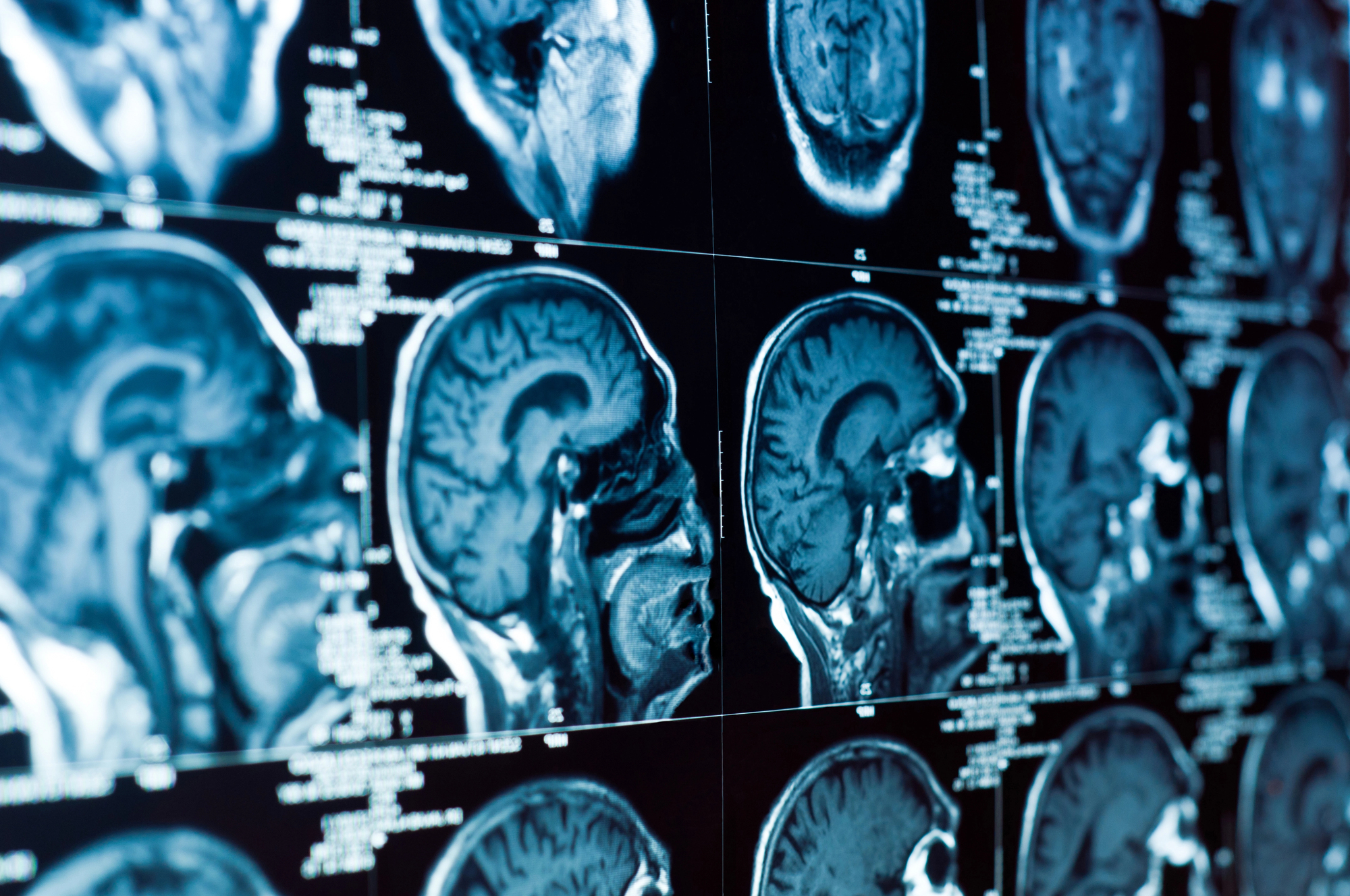
Just one brain scan can now diagnose Alzheimer’s
Many advances have been made in diagnosing, understanding, preventing, and treating Alzheimer’s disease over the past 100 years. Some of these include a nasal spray that could help prevent the disease and the discovery that our gut diversity plays a role in the risk of the condition. Doctors Read More...